CM Mohan Yadav Pushes MP Tourism via Infrastructure, Investment
Synopsis
Chief Minister Dr. Mohan Yadav has declared that Madhya Pradesh is actively developing world-class tourism infrastructure, stronger connectivity, and investment-friendly policies, with religious tourism identified as a key driver of employment growth across the state.
Key Takeaways
The Chief Minister's Office of Madhya Pradesh announced on 16 July 2026 that the state is pursuing world-class tourism infrastructure and investment-friendly policies.
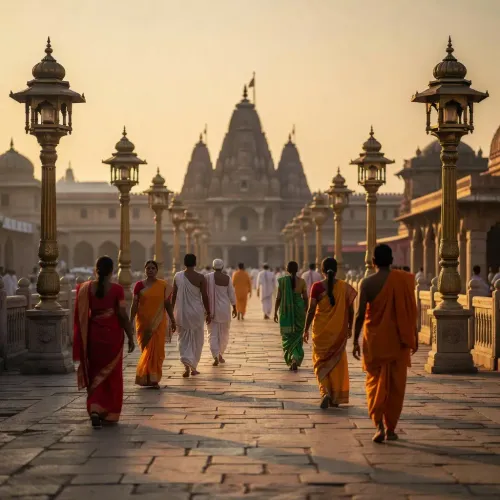
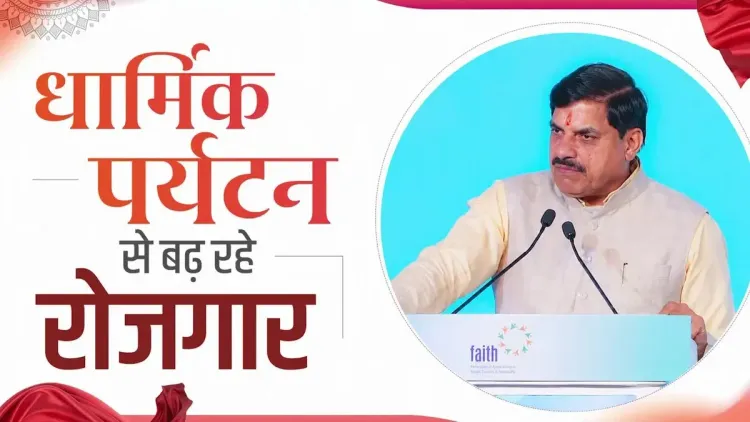
Mohan Yadav specifically highlighted religious tourism as a continuous source of growing employment opportunities in the state.
The announcement tagged both the Ministry of Tourism, Government of India and the Tourism Department of Madhya Pradesh , indicating coordinated central-state effort.
The #InvestMP hashtag links tourism development to the state's broader private investment promotion platform.
Central schemes including Swadesh Darshan and PRASHAD have previously funded religious tourism infrastructure in Ujjain and other Madhya Pradesh sites.
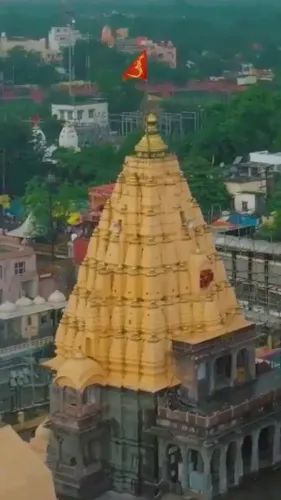
Key pilgrimage destinations such as Mahakaleshwar, Ujjain and Omkareshwar are central to the state's religious tourism strategy.
The Chief Minister's Office of Madhya Pradesh, citing Chief Minister Dr. Mohan Yadav, announced on Thursday, 16 July 2026 that the state government is working continuously to take the tourism sector to new heights through world-class infrastructure, better connectivity, and investment-friendly policies, with religious tourism driving steady employment growth across the state.
Context
CM Dr. Mohan Yadav stated, 'प्रदेश में धार्मिक पर्यटन के माध्यम से रोजगार के अवसरों में लगातार बढ़ोतरी हो रही है' ('Employment opportunities in the state are continuously increasing through religious tourism'). The post tagged the Ministry of Tourism, Government of India and the Tourism Department of Madhya Pradesh, signalling coordinated intent between state and central agencies. The hashtag #InvestMP underlines that tourism is being positioned as a vehicle for attracting private capital, not merely a heritage asset.
Policy Backdrop
Madhya Pradesh has built its tourism policy framework over several years, beginning with the Madhya Pradesh Tourism Policy 2016, which introduced incentives for private investment in hotels, connectivity corridors, and religious circuits. At the central level, the Swadesh Darshan scheme (launched 2014-15) funded thematic tourism circuits, including religious sites in the state, while the PRASHAD scheme (also 2014-15) directed infrastructure upgrades to pilgrimage destinations such as Ujjain — home to the Mahakaleshwar Jyotirlinga — and Omkareshwar. These central schemes have provided a fiscal backbone for the state's ambitions. The Invest MP platform, referenced in the post's hashtag, consolidates policy incentives across sectors and has been used to court hospitality and tourism investors at successive investor summits.
India's domestic travel market expanded sharply after 2020, and states across the country have raced to capture that demand. Madhya Pradesh competes directly with Rajasthan and Uttar Pradesh for private tourism capital, making single-window clearances and policy visibility — precisely what this announcement projects — strategically important.
Stakeholders and Impact
The primary beneficiaries of the state's religious tourism push are local youth in districts surrounding major pilgrimage centres, where hospitality, transport, and ancillary services generate entry-level employment. The hospitality industry stands to gain from investment-friendly policies that lower the cost of setting up hotels and resorts near heritage and religious sites. Religious pilgrims — a large and growing segment of India's domestic travellers — benefit from improved infrastructure and connectivity that reduce friction in reaching destinations such as Ujjain, Omkareshwar, and others across the state.
The government's framing of religious tourism as an employment generator also carries political salience: it aligns cultural heritage promotion with economic development, broadening the constituency for tourism investment beyond the hospitality sector alone.
What's Next
Analysts and industry stakeholders will watch upcoming Invest MP events and national tourism conclaves for concrete project announcements, budget allocations, and private investment commitments that give measurable shape to the policy direction outlined by CM Dr. Mohan Yadav. State budget line items for tourism infrastructure in the next fiscal cycle will be a key indicator of whether the rhetorical push translates into capital deployment. Sustained coordination between the state's Tourism Department and the Ministry of Tourism, Government of India — as implied by the post's tagging of both — will be critical to unlocking central scheme funding for the next phase of development.
Point of View
Not merely a cultural one. By tagging both the central Ministry of Tourism and the state department in the same post, the Chief Minister's Office is signalling a desire to position Madhya Pradesh at the front of the queue for central scheme funding. The emphasis on employment through religious tourism also serves a dual political purpose: it broadens the appeal of heritage-led growth to voters in districts surrounding pilgrimage centres. Whether this announcement precedes a concrete Invest MP tourism conclave or a fresh budget allocation will determine if it marks a policy inflection or remains aspirational messaging.
NationPress
15 Oct 2026
Frequently Asked Questions
What is CM Mohan Yadav's tourism plan for Madhya Pradesh?
CM Dr. Mohan Yadav has outlined a plan centred on world-class tourism infrastructure, better connectivity, and investment-friendly policies, with religious tourism identified as the primary engine of employment growth in the state.
How does religious tourism create jobs in Madhya Pradesh?
Religious tourism generates employment in hospitality, transport, and local services around major pilgrimage sites such as Ujjain and Omkareshwar, benefiting local youth and small businesses in surrounding districts.
What is the Invest MP platform?
Invest MP is Madhya Pradesh's state investment promotion platform that consolidates policy incentives across sectors, including tourism, to attract private capital through investor summits and single-window clearances.
Which central government schemes support tourism in Madhya Pradesh?
The Swadesh Darshan scheme and the PRASHAD scheme, both launched in 2014-15 by the Ministry of Tourism, have funded thematic tourism circuits and pilgrimage infrastructure at sites including Ujjain in Madhya Pradesh.
How does Madhya Pradesh compare to other states in tourism investment?
Madhya Pradesh competes with Rajasthan and Uttar Pradesh for private tourism capital and has used policy incentives, single-window clearances, and central scheme funding to differentiate its offering to hospitality investors.