CM Mohan Yadav Pushes Integrated Culture-Tourism Drive in MP
Synopsis
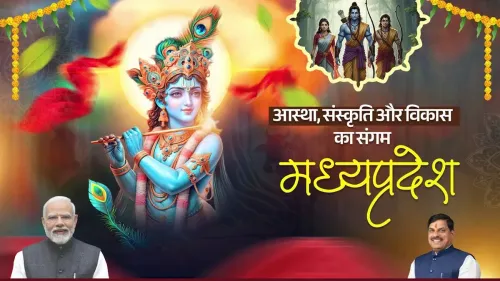
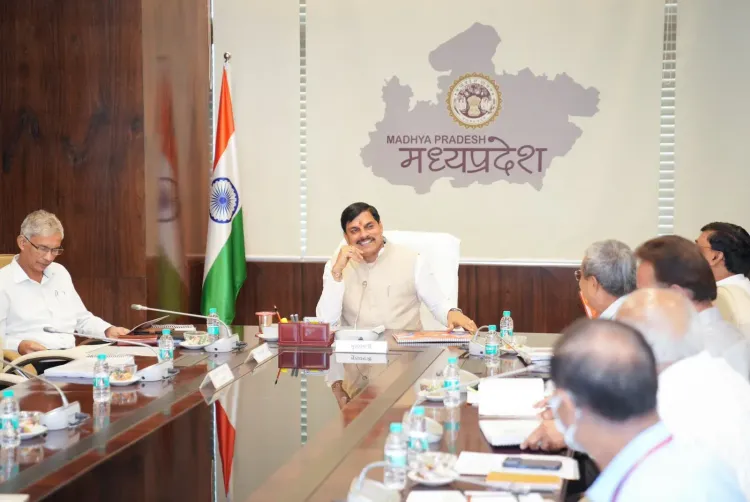
MP Chief Minister Dr. Mohan Yadav has directed Culture, Tourism, Religious Trusts, and Cottage Industries departments to work in coordination to boost religious tourism and expand markets for handicraft artisans. He also revealed 17 religious-cultural complexes and 20 museums are under construction, and that coordination with Uttar Pradesh for Chitrakoot's development is ongoing.
Key Takeaways
Mohan Yadav directed four state departments — Culture, Tourism, Religious Trusts and Endowments, and Cottage and Village Industries — to function in an integrated manner.
17 religious-cultural folk complexes and 20 museums are currently under construction across Madhya Pradesh .
The integrated approach aims to boost religious and spiritual tourism while giving handicraft, handloom, and embroidery products a wider national market.
Coordination with the Uttar Pradesh government is under way for the holistic development of Chitrakoot , a cross-border pilgrimage town.
The move builds on Madhya Pradesh's existing religious tourism circuits centred on sites such as Ujjain and Omkareshwar .
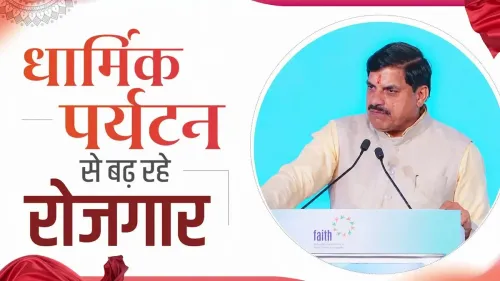
Madhya Pradesh Chief Minister Dr. Mohan Yadav on Monday, 15 June 2026 directed the state's Culture, Tourism, Religious Trusts and Endowments, and Cottage and Village Industries departments to work in a coordinated manner, aiming to accelerate religious and spiritual tourism while opening new markets for the state's artisan communities.
Context
Posting on X, CM Dr. Mohan Yadav stated that integrated functioning of these departments would give a boost to religious and spiritual tourism across Madhya Pradesh. He added that the state's handicrafts, handloom, and embroidery products — hस्तशिल्प, हैंडलूम और कशीदाकारी (handicrafts, handloom and embroidery) — would gain 'a new identity and a wider market.' The directive signals a shift toward cross-departmental coordination rather than siloed administration of culture and rural livelihoods.
Policy Backdrop
Madhya Pradesh has pursued religious tourism circuits centred on sites such as Ujjain and Omkareshwar through successive tourism policies and infrastructure projects since the mid-2010s. The state is now scaling that model with 17 religious-cultural folk complexes and 20 museums currently under construction, according to the Chief Minister's post. Indian states have increasingly integrated culture, tourism, and cottage-industry departments to create combined religious-tourism and livelihood value chains — a pattern Madhya Pradesh is now formalising at the policy level.
The Cottage and Village Industries Department — historically focused on rural enterprise promotion — is being brought into direct alignment with the Religious Trusts and Endowments Department and the tourism apparatus. This convergence is intended to ensure that pilgrimage footfall translates into economic opportunity for local artisans and weavers.
Chitrakoot and Inter-State Coordination
CM Dr. Mohan Yadav specifically highlighted that coordination with the Uttar Pradesh government is under way for the holistic development of Chitrakoot — the historic pilgrimage town straddling the Madhya Pradesh–Uttar Pradesh border, revered in Hindu tradition as the site of Lord Rama's forest exile. The town is a significant spiritual tourism destination and its cross-border character has long necessitated formal inter-governmental alignment to avoid fragmented infrastructure planning. The Chief Minister's reference to active coordination suggests that development planning for Chitrakoot is now a bilateral agenda item between the two state administrations.
Stakeholders and Impact
The primary beneficiaries of this integrated push are expected to be religious tourists visiting Madhya Pradesh's pilgrimage sites, handicraft and handloom artisans seeking expanded market access, and rural enterprises operating under the cottage industries framework. Construction of dedicated religious-cultural complexes and museums is part of a wider state-level effort to monetise intangible heritage and create durable local livelihoods around pilgrimage economies. Artisan communities producing embroidery and handloom goods — sectors historically dependent on fragmented local markets — stand to gain if the tourism-culture link is operationalised effectively.
What's Next
Attention will now turn to the physical completion and operationalisation of the 17 religious-cultural folk complexes and 20 museums currently under construction across the state. Any formal joint working group or memorandum of understanding emerging from the Madhya Pradesh–Uttar Pradesh coordination process on Chitrakoot master planning will be a key indicator of how far the inter-state cooperation advances beyond stated intent. The success of the integrated departmental model will ultimately be measured by whether increased pilgrimage footfall generates measurable income gains for the state's artisan and rural enterprise communities.
Point of View
As inter-state cooperation on shared religious sites has symbolic resonance with the BJP's cultural governance agenda. Whether the coordination translates into concrete infrastructure timelines and artisan income data will determine if this remains a policy signal or becomes a measurable development outcome.
NationPress
19 Sept 2026
Frequently Asked Questions
What did MP CM Mohan Yadav announce about religious tourism?
CM Dr. Mohan Yadav directed Madhya Pradesh's Culture, Tourism, Religious Trusts and Endowments, and Cottage and Village Industries departments to work in a coordinated manner to promote religious and spiritual tourism and expand markets for local handicraft and handloom products.
How many museums and religious complexes are being built in Madhya Pradesh?
According to CM Dr. Mohan Yadav's post, 17 religious-cultural folk complexes and 20 museums are currently under construction across Madhya Pradesh.
What is the plan for Chitrakoot development?
CM Mohan Yadav stated that coordination with the Uttar Pradesh government is under way for the holistic development of Chitrakoot, the cross-border pilgrimage town revered as the site of Lord Rama's forest exile.
How will MP's handicraft artisans benefit from this tourism push?
By integrating the Cottage and Village Industries Department with tourism and culture wings, the state aims to give handicraft, handloom, and embroidery products a new identity and access to a wider market through pilgrimage tourism footfall.
Why does Chitrakoot require coordination between Madhya Pradesh and Uttar Pradesh?
Chitrakoot straddles the Madhya Pradesh–Uttar Pradesh border, making joint planning essential to avoid fragmented infrastructure development at this major shared pilgrimage destination.