Rajya Sabha erupts: Kharge-Rijiju clash over rules, Opposition demands Shah, Modi
Synopsis
The Rajya Sabha turned into a procedural battleground on 6 August, with LoP Kharge and Parliamentary Affairs Minister Rijiju clashing directly over which rules were being misapplied — even as the Opposition's core demand, the presence of the Home Minister and PM on the floor, went unmet and forced an adjournment.
Key Takeaways
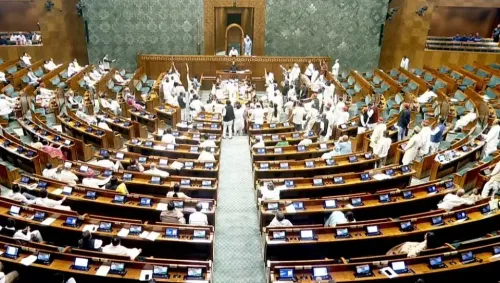
Rajya Sabha was marked by sustained Opposition protests on 6 August , with slogans demanding Home Minister Amit Shah and PM Modi appear in the House.
LoP Mallikarjun Kharge and Parliamentary Affairs Minister Kiren Rijiju clashed sharply over the application of Rules 238, 239, and 240 .
Kharge cited Arun Jaitley to argue that disruption is a democratic right; Rijiju countered that members cannot dictate ministerial attendance.
Radhakrishnan adjourned the House until 2:15 pm after order could not be restored.
During Question Hour, Manoj Jha raised SC/ST judicial representation; MoS Arjun Ram Meghwal said the government recommends such inclusion in the Memorandum of Procedure .
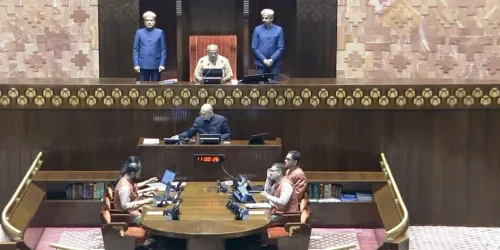
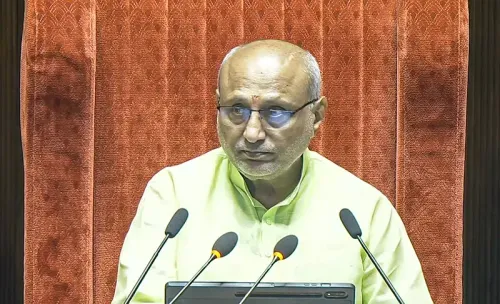
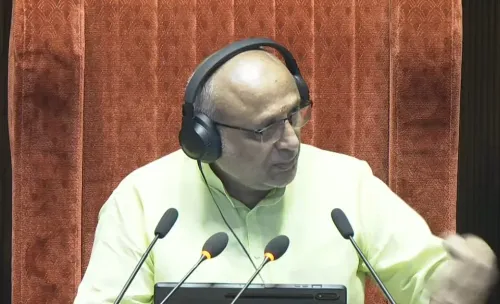
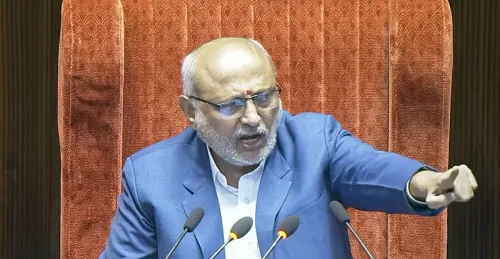
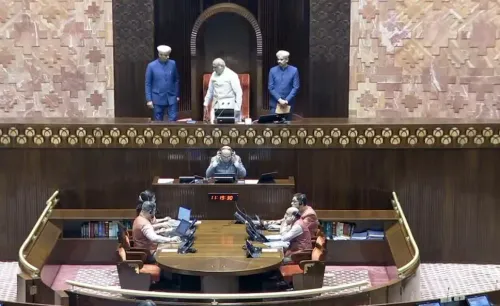
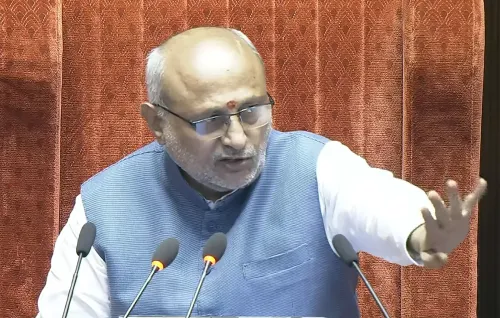
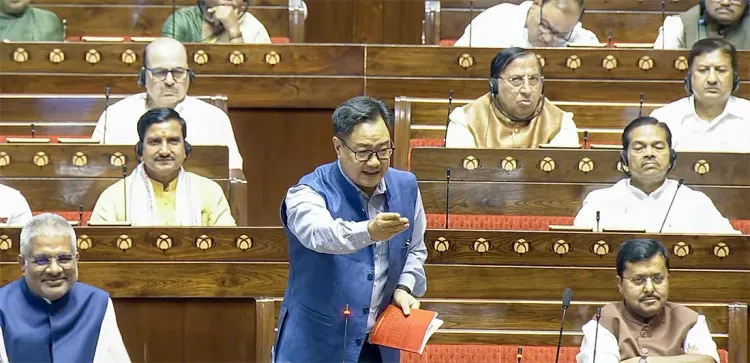
The Rajya Sabha on Thursday, 6 August descended into sharp verbal confrontations and sustained Opposition protests, with members demanding the presence of Prime Minister Narendra Modi and Home Minister Amit Shah in the upper house. The disruptions forced Chairman C.P. Radhakrishnan to adjourn proceedings until 2:15 pm after repeated attempts to restore order failed.
Opposition Demands and the Kharge-Rijiju Face-Off
After the House reassembled at noon, Chairman Radhakrishnan allowed Question Hour to proceed despite continuous sloganeering of 'Grih Mantri Sadan Mein Aao' from the Opposition benches. He assured that Leader of Opposition (LoP) Mallikarjun Kharge would be given the floor once initial questions concluded.
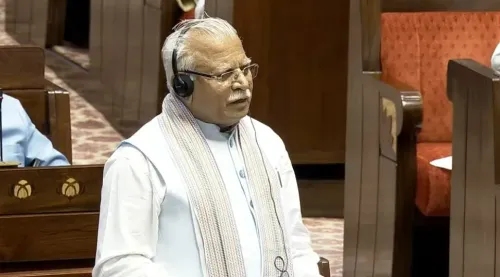
When Kharge was invited to speak, a heated exchange with Parliamentary Affairs Minister Kiren Rijiju quickly followed. Kharge defended the Opposition's position, asserting that members were raising matters of national importance and that it was his right to decide 'how to speak, what to speak and when to speak.' Invoking former Finance Minister Arun Jaitley, Kharge argued that 'disruption is part of democracy' and that members hold a fundamental right to raise pressing public questions.
The Rules Dispute
The confrontation sharpened when Kharge accused Rijiju of misapplying parliamentary rules — alleging he had cited Rule 239 while disregarding Rule 238, which bars personal, defamatory, or incriminatory allegations against fellow members. Kharge linked this to earlier remarks concerning Congress leader Pawan Khera, stressing that no inflammatory or defamatory statements should be permitted inside the chamber.
Rijiju countered that he had in fact initially cited Rule 240, not Rule 239, and noted that Opposition members were repeatedly raising matters already addressed with the Chair's permission. He added that Khera, as a new member yet to deliver his maiden speech, deserved an opportunity to do so — a point he said he had raised in the morning session.
On Ministerial Presence and Collective Responsibility
Responding to the demand for the Home Minister's presence on the floor, Rijiju drew a procedural distinction: while members may request that the Chair take a decision, they cannot direct or dictate which minister must attend the House. 'We are all collectively responsible,' he said.
Chairman Radhakrishnan acknowledged the intent to facilitate newer members and told Rijiju to respect the Opposition's sentiments regarding the Home Minister's presence. He also firmly stated that no rule permits members to shout against the Chair. When member John Brittas attempted to thank the Chair for his direction to Rijiju, Radhakrishnan declined to entertain the point and adjourned the House.
SC/ST Judiciary Representation Raised During Question Hour
Earlier, during Question Hour, Rajya Sabha member Manoj Jha questioned the government on steps taken to ensure representation of judges from Scheduled Tribe (ST) and Scheduled Caste (SC) communities in the higher judiciary. Minister of State for Law and Justice Arjun Ram Meghwal replied that the government always sends recommendations to include judges from ST and SC communities in the Memorandum of Procedure (MoP), which governs appointments and transfers to the Supreme Court and state high courts.
With the monsoon session already marked by persistent disruptions, Thursday's adjournment underscores the widening procedural fault lines between the treasury benches and the Opposition — and the unresolved question of when senior ministers will face the upper house directly.
Point of View
Which is one of Parliament's most effective accountability mechanisms and is being steadily hollowed out by both sides.
NationPress
20 Sept 2026
Frequently Asked Questions
Why did the Rajya Sabha witness protests on 6 August?
The Opposition demanded that Prime Minister Narendra Modi and Home Minister Amit Shah appear in the Rajya Sabha to address matters of national importance. Persistent sloganeering and protests disrupted proceedings and eventually forced an adjournment until 2:15 pm.
What was the Kharge-Rijiju dispute about?
Leader of Opposition Mallikarjun Kharge accused Parliamentary Affairs Minister Kiren Rijiju of misapplying parliamentary rules, alleging he cited Rule 239 while ignoring Rule 238, which prohibits defamatory or incriminatory allegations against members. Rijiju clarified he had cited Rule 240 and said Opposition members were raising matters already addressed by the Chair.
Can the Opposition force a minister to attend Parliament?
No. Rijiju clarified that while members may request the Chair to take a decision, they cannot direct or dictate which minister must be present in the House, citing the principle of collective ministerial responsibility.
What is Rule 238 of Rajya Sabha procedure?
Rule 238 of Rajya Sabha rules prohibits members from making personal charges, defamatory statements, or incriminatory allegations against another member inside the chamber. Kharge invoked it to challenge remarks made in relation to Congress leader Pawan Khera.
What was raised about SC/ST representation in the judiciary?
Member Manoj Jha asked the government what steps it has taken to ensure judges from Scheduled Caste and Scheduled Tribe communities are represented in the higher judiciary. MoS for Law and Justice Arjun Ram Meghwal said the government recommends their inclusion in the Memorandum of Procedure governing Supreme Court and High Court appointments.