Kiran Bedi: PM Modi's Address Revives Hope for Women's Representation
Synopsis
Kiran Bedi responds to PM Modi's address on the Women's Reservation Bill, expressing optimism for women's representation in politics. As the fight continues, Bedi emphasizes the need for genuine commitment to women's empowerment by political leaders.
Key Takeaways
PM Modi's address rekindles hope for women's representation.
Kiran Bedi emphasizes the need for genuine commitment to women's empowerment.
The Women's Reservation Bill aims for 33% reservation for women in politics.
The Bill's rejection reflects ongoing challenges in achieving gender equality.
Women voters are a decisive electoral force in shaping future political landscapes.
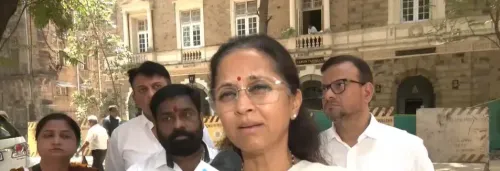
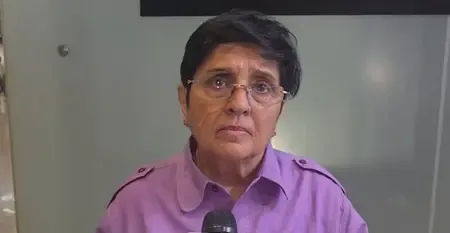
New Delhi, April 18 (NationPress) In response to Prime Minister Narendra Modi’s recent address regarding the unsuccessful passage of the Women's Reservation Bill in the Lok Sabha, Kiran Bedi, a former IPS officer and the ex-Lieutenant Governor of Puducherry, expressed on Saturday that the Prime Minister’s words have ignited a renewed sense of hope.
On the social media platform X, Kiran Bedi stated, “The PM’s words have sparked optimism. It is possible that women will assert their rightful positions in State Assemblies and Parliament well ahead of 2029. Time will reveal the outcome—but the momentum is clear. #WomenReservationbill”
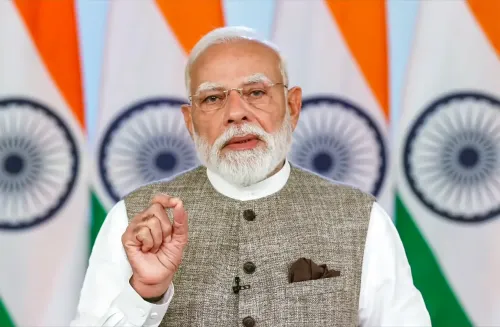
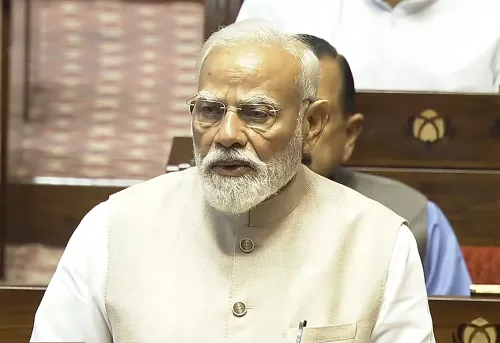
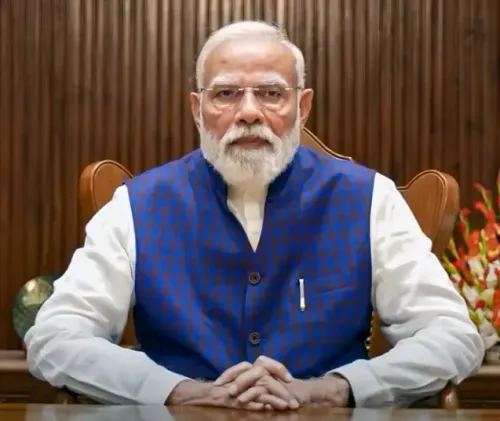
Earlier in the evening, Prime Minister Modi conveyed his profound regret and apologized to the women of India after the Lok Sabha rejected the Constitutional Amendment Bill that aimed to facilitate women’s reservation in Parliament and state assemblies.
He noted that the Bill, intended to amend the Nari Shakti Vandan Adhiniyam, did not achieve the necessary two-thirds majority, marking a setback for this long-awaited empowerment initiative.
Describing the situation as a painful moment, the Prime Minister reaffirmed his steadfast commitment to eliminating all barriers to increased representation of women within legislative frameworks.
PM Modi assured that his administration would persist in its endeavors to guarantee women receive their rightful share in the nation’s decision-making processes.
He also directed criticism towards the Congress and its allies, accusing them of a historical reluctance towards women's reservation and claiming that the Opposition relied on misinformation and diversionary tactics, which he argued revealed their “true colors” to the women of India.
“The Bill was not about taking credit. I even stated in Parliament that I would acknowledge the Opposition’s contributions,” the Prime Minister remarked.
He added: “While we did not secure 66 percent of votes, we have the blessings of 100 percent of women. Although we may not have had the numbers yesterday, our fight will continue.”
The Constitution (131st Amendment) Bill, 2026, which aimed to provide 33 percent reservation for women in Parliament, fell short of the required constitutional two-thirds majority.
Just a day prior, when the Lok Sabha was set to discuss the Bill, Kiran Bedi commented on X, “If Parliament fails to pass the #WomensQuotaBill, women voters may decisively support those who pledge to ensure one-third representation in the 2029 Parliament and State Assemblies.”
She further emphasized, “It’s clear now - women represent a decisive electoral force. Mere symbolic gestures won’t suffice. They demand a genuine seat at the table and a direct role in shaping India’s future.”
Point of View
The discussion around the Women's Reservation Bill reflects critical political dynamics in India. The responses from key figures like PM Modi and Kiran Bedi underscore the ongoing struggle for women's representation, emphasizing the importance of genuine commitments from political leaders to empower women in governance.
NationPress
18 Sept 2026
Frequently Asked Questions
What is the Women's Reservation Bill?
The Women's Reservation Bill aims to provide 33 percent reservation for women in the Lok Sabha and state assemblies, promoting greater female representation in Indian politics.
Why was the Women's Reservation Bill rejected?
The Bill failed to secure the necessary two-thirds majority in the Lok Sabha during the voting process.
What did Prime Minister Modi say about the Bill?
PM Modi expressed regret over the rejection of the Bill and reaffirmed his commitment to ensuring women's representation in legislative bodies.
How did Kiran Bedi respond to the PM's address?
Kiran Bedi stated that the PM's messaging has rekindled hope for women's rightful place in politics and emphasized the need for real commitment to women's empowerment.
What are the implications of the Women's Reservation Bill's failure?
The failure of the Women's Reservation Bill highlights ongoing challenges in achieving gender equality in politics and may influence voter sentiment in future elections.