Karnataka Congress urges CEO to fix BLO grievance mechanism in SIR process
Synopsis
Karnataka Congress has formally written to the state's Chief Electoral Officer demanding a structured, non-partisan channel for MPs, MLAs, and MLCs to flag voter grievances with Booth Level Officers during the Special Intensive Revision — a move that could institutionalise how political parties interact with election machinery across India.
Key Takeaways
KPCC submitted a representation to the Chief Electoral Officer of Karnataka on 19 June seeking a structured grievance mechanism during the Special Intensive Revision (SIR) of electoral rolls.
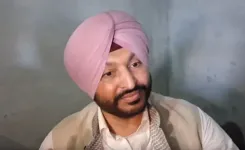
Ramesh Babu , Congress MLC and Media Department Chairman, cited Section 13B(2) of the Representation of the People Act, 1950 to justify the demand.
The proposed mechanism would allow MPs, MLAs, and MLCs to report voter omissions, enumeration form non-receipt, and entry errors to Booth Level Officers (BLOs) .
The representation explicitly safeguards BLO independence — interactions must not influence statutory decision-making powers of election officials.
Interactions are proposed to be routed through Electoral Registration Officers (EROs) and Assistant Electoral Registration Officers (AEROs) to prevent misuse.
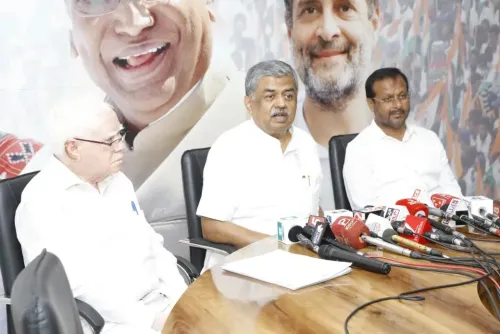
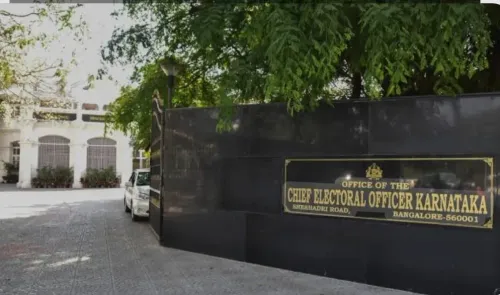
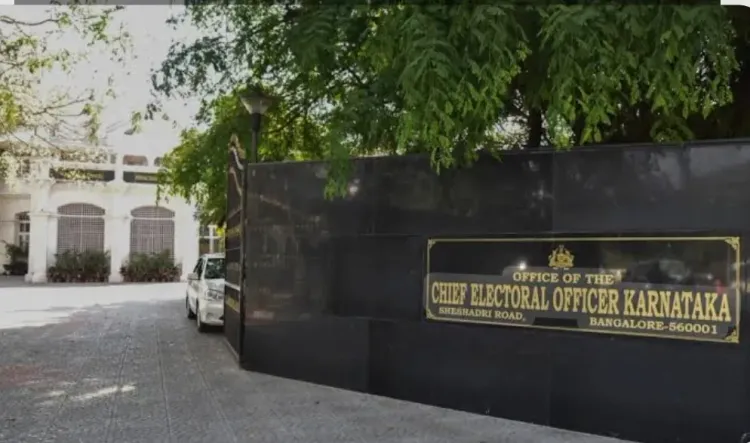
The Karnataka Pradesh Congress Committee (KPCC) has written to the Chief Electoral Officer (CEO) of Karnataka, urging the establishment of a structured mechanism that would allow elected representatives to formally engage with Booth Level Officers (BLOs) during the ongoing Special Intensive Revision (SIR) of electoral rolls. The representation was submitted on 19 June in Bengaluru.
What the Representation Seeks
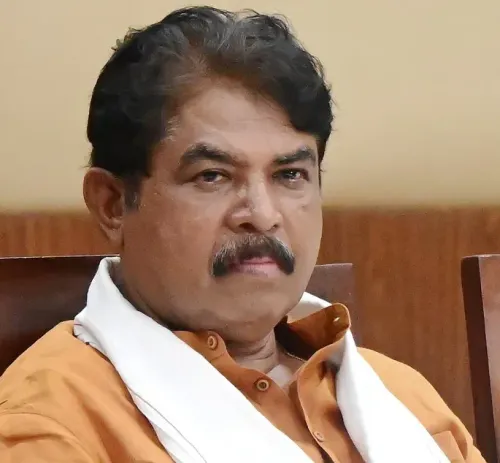
Ramesh Babu, Congress Media and Communication Department Chairman and Legislative Council Member, submitted the representation requesting clarification on the permissible role of Members of Parliament (MPs), Members of the Legislative Assembly (MLAs), and Members of the Legislative Council (MLCs) in raising voter-related concerns with BLOs and election officials during the revision exercise.
Citing Section 13B(2) of the Representation of the People Act, 1950, Ramesh Babu noted that BLOs carry statutory responsibilities covering electoral roll revision, voter verification, collection of enumeration forms, and other duties assigned by the Election Commission of India (ECI).
Key Grievances Flagged by Public Representatives
According to the representation, elected representatives regularly receive complaints from voters about non-receipt of enumeration forms, omissions from voter lists, errors in entries, and difficulties faced by vulnerable groups. These groups include senior citizens, persons with disabilities, migrant workers, women, and marginalised communities.
Ramesh Babu argued that a transparent, structured channel for elected representatives to report such issues to BLOs — without interfering with their statutory independence — would strengthen electoral inclusion and public confidence in the SIR process.
Safeguards Proposed to Protect BLO Independence
The representation explicitly stated that BLOs must remain completely non-partisan and continue to function in accordance with the Representation of the People Act, 1950, the Registration of Electors Rules, 1960, and ECI directions. Any interaction between public representatives and BLOs, it clarified, should be confined strictly to voter-service and grievance-related matters and must not influence the statutory decision-making powers of election officials.
Ramesh Babu also requested that interactions be facilitated through Electoral Registration Officers (EROs) and Assistant Electoral Registration Officers (AEROs) wherever necessary, adding an institutional layer to prevent misuse.
What the KPCC Has Asked the CEO to Do
The KPCC has requested the Chief Electoral Officer to issue instructions permitting elected representatives to engage with BLOs on voter-service issues, direct field-level officials to receive representations concerning omitted voters and non-distribution of enumeration forms, and ensure BLOs make all reasonable efforts to reach every eligible elector before the revision window closes.
This comes amid broader concerns across states about the accuracy of electoral rolls during SIR exercises, with opposition parties frequently raising fears of eligible voters — particularly from marginalised sections — being inadvertently excluded. The KPCC's formal representation attempts to institutionalise a redress channel rather than rely on ad hoc outreach, a distinction that could set a precedent for how political parties engage with election machinery during roll revisions.
Point of View
Only a formalised reporting channel. But the line between 'voter service' and 'political pressure' on field-level officials is thin, and the Election Commission will need to craft any guidelines with precision. What is notable is that the Congress is using legal language and statutory citations rather than street-level agitation, suggesting a deliberate strategy to build a paper trail ahead of any future electoral roll disputes. If the CEO accepts the framework, it could become a template — and a pressure point — for opposition parties in other states undergoing similar SIR exercises.
NationPress
18 Sept 2026
Frequently Asked Questions
What is the Special Intensive Revision (SIR) of electoral rolls in Karnataka?
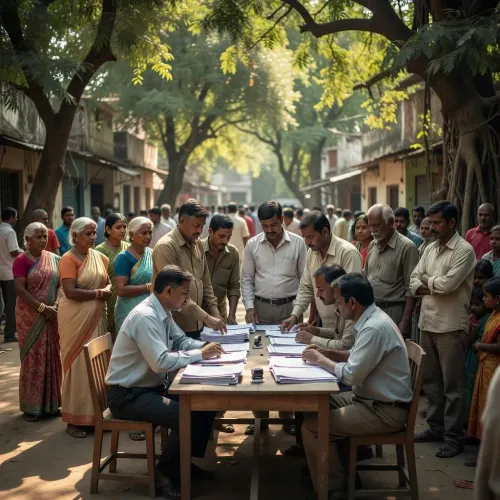
The Special Intensive Revision (SIR) is a periodic exercise conducted under the Election Commission of India's directions to update, verify, and correct the electoral rolls. It involves Booth Level Officers visiting households to collect enumeration forms and ensure all eligible voters are included.
What has the KPCC asked the Chief Electoral Officer to do?
The Karnataka Pradesh Congress Committee has requested the CEO to issue instructions allowing elected representatives — MPs, MLAs, and MLCs — to formally report voter grievances such as omissions and non-receipt of enumeration forms to Booth Level Officers, without interfering with their statutory independence.
Who submitted the representation and on what legal basis?
Congress MLC and Media Department Chairman Ramesh Babu submitted the representation, citing Section 13B(2) of the Representation of the People Act, 1950, which defines the statutory role of Booth Level Officers in electoral roll revision.
Will this give politicians control over Booth Level Officers?
The representation explicitly states it will not. It proposes that BLOs remain fully non-partisan and that any interaction be limited to voter-service matters, routed through Electoral Registration Officers and Assistant Electoral Registration Officers to prevent undue influence.
Who stands to benefit most from this proposed mechanism?
Eligible voters who have been inadvertently omitted from electoral rolls — particularly senior citizens, persons with disabilities, migrant workers, women, and marginalised communities — are identified in the representation as the primary beneficiaries of a more accessible grievance channel.