What Steps is South Korea's Lee Taking to Lower Tensions with North Korea?
Synopsis
In a recent policy briefing, South Korean President Lee Jae Myung emphasized the need for preemptive efforts to ease tensions with North Korea. He called for patience and proactive measures, as rising hostilities threaten inter-Korean relations. The situation necessitates a strategic approach to rebuild trust.
Key Takeaways
President Lee Jae Myung stresses the need for proactive measures to ease tensions.
Triple layers of barbed wire have been installed by North Korea along the MDL.
The rhetoric from North Korea describes the two Koreas as hostile states .
Lee emphasizes the importance of patience and diplomatic efforts.
Political motivations may be fueling the current hostility.
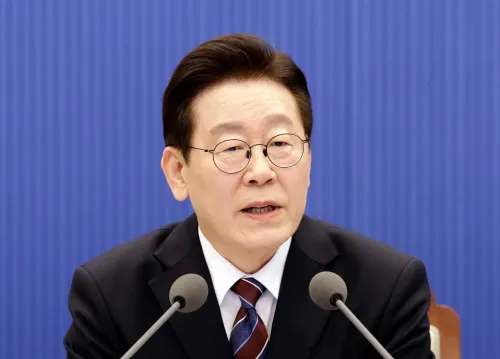
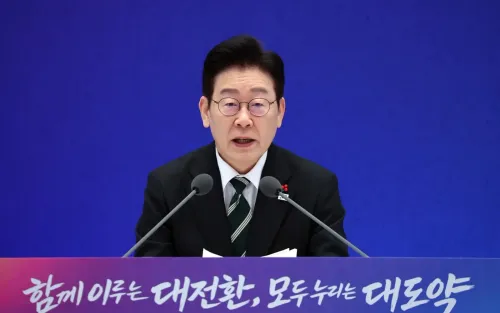
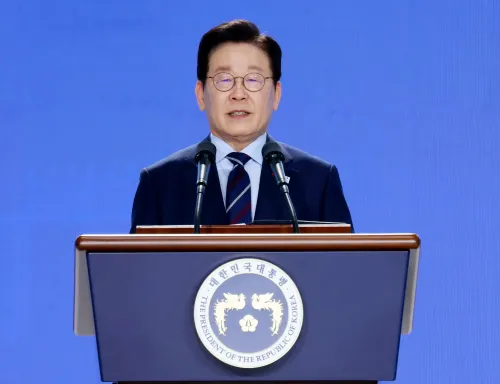
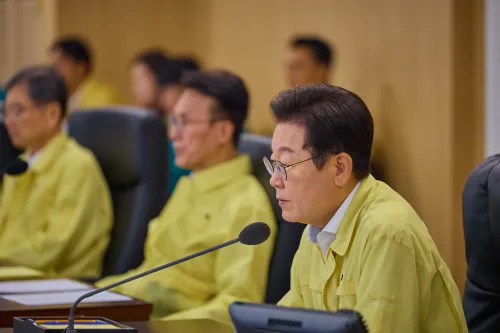
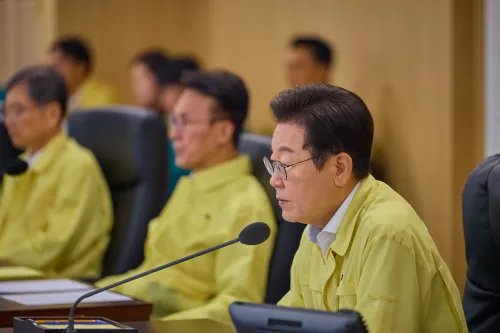
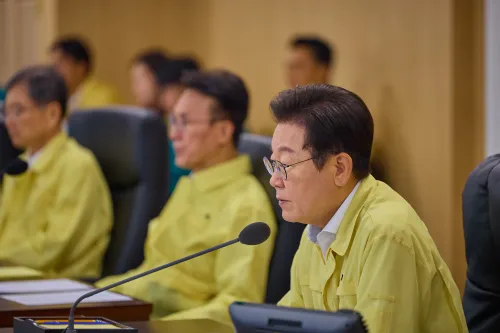
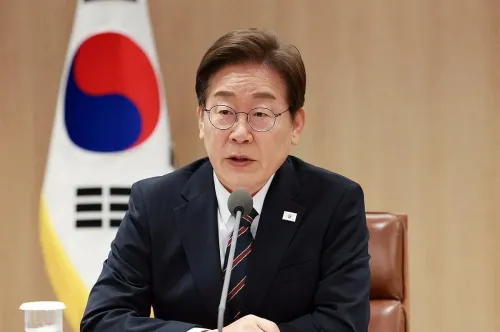
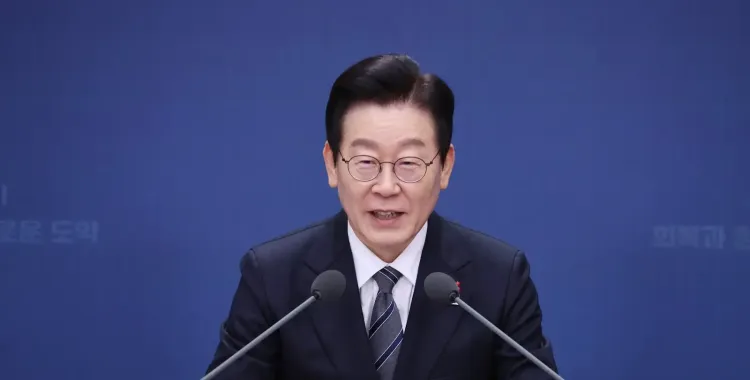
Seoul, Dec 19 (NationPress) President Lee Jae Myung of South Korea urged officials on Friday to initiate proactive measures aimed at diminishing hostilities with North Korea. He emphasized the necessity for Seoul to patiently pursue a route to regain trust with Pyongyang.
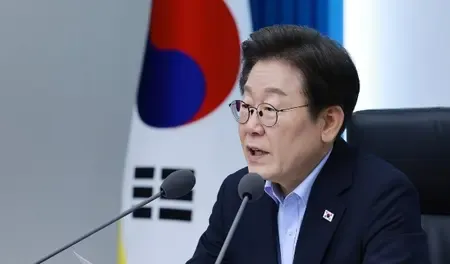
"We must exhibit patience and leave no stone unturned to preemptively and proactively mitigate tensions" between the two Koreas, Lee stated during a briefing with the ministries of foreign affairs and unification.
Addressing the rising tensions on the Korean Peninsula, Lee highlighted that North Korea has erected triple layers of barbed wire and constructed barriers along the Military Demarcation Line (MDL), along with severing access routes and bridges leading to the South.
He remarked, "Since the Korean War in the 1950s, the two Koreas have faced each other across the MDL, but this marks the first instance of triple layers of barbed wire and the dismantling of bridges," as reported by the Yonhap news agency.
While there are worries in the South regarding a potential invasion by the North, Lee suggested that the situation appears to be the reverse.
"It is reported that North Korea is installing triple layers of barbed wire due to fears of a South Korean attack and is erecting barriers in anticipation of tank movements," he explained.
Lee also referenced Pyongyang's aggressive language, characterizing the two Koreas as "two hostile states" and labeling South Korea as an "enemy". He noted that the escalation of hostility seems to be driven by political motivations and must be addressed to facilitate the normalization of inter-Korean relations.
"In the past, both sides acted as adversaries, but now it feels as though we are genuinely becoming enemies," he stated.
"This situation appears to have been influenced by political aspirations. We must find a way back to a more peaceful existence," he added.
Recognizing that Pyongyang is currently unwilling to communicate with Seoul, Lee insisted that patience is crucial to alleviating tensions and restoring trust.
"While it is a challenging task, we must not lose hope," Lee concluded, stressing the importance of the unification ministry in this endeavor.
Point of View
It is imperative to highlight that the ongoing tensions between North and South Korea require careful navigation. President Lee Jae Myung's call for patience and proactive measures is a necessary step towards de-escalation. The focus must remain on diplomatic efforts to foster dialogue and restore trust, keeping the national interest at the forefront.
NationPress
1 Oct 2026
Frequently Asked Questions
What measures is South Korea taking to reduce tensions with North Korea?
South Korean President Lee Jae Myung is urging officials to adopt proactive measures aimed at easing hostilities and restoring trust with North Korea.
Why is there increased tension on the Korean Peninsula?
Tensions have risen due to North Korea's installation of barbed wire and barriers along the Military Demarcation Line and aggressive rhetoric labeling South Korea as an enemy.
What does President Lee Jae Myung say about North Korea's actions?
President Lee stated that North Korea's actions stem from fears of a South Korean invasion, emphasizing the need for patience in addressing these concerns.