Meenakshi Temple Maha Kumbabhishekam 2026: Thousands throng Madurai for grand consecration
Synopsis
One of India's grandest temple consecrations in years unfolded in Madurai on 17 September, as the Meenakshi Amman Temple's Maha Kumbabhishekam concluded after a ₹25 crore, months-long renovation. With 400+ Sivacharyas, 184 fire pits, holy water from four sacred rivers, and thousands of devotees in attendance, the ceremony also marked the revival of the fire-damaged Veeravasantharayar Mandapam.
Key Takeaways
The Maha Kumbabhishekam of Meenakshi Amman Temple , Madurai , was performed on 17 September 2026 , drawing thousands of devotees.
The ceremony followed a renovation costing ₹25 crore , which included rebuilding the fire-damaged Veeravasantharayar Mandapam .
More than 400 Sivacharyas officiated over rituals at a 184-pit yagashala on North Adi Street.
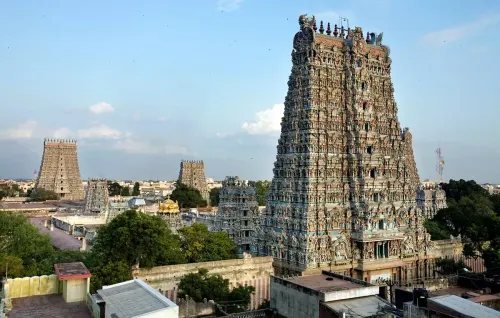
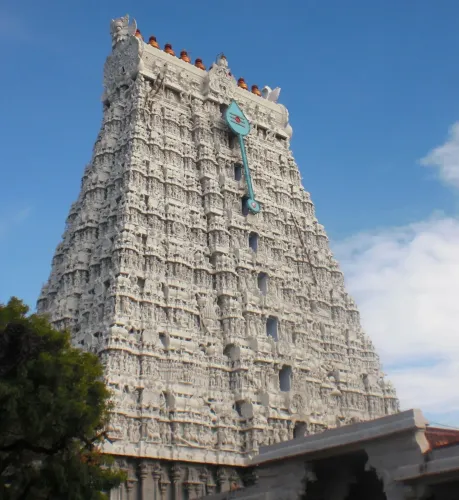
Holy water from the Ganga , Yamuna , Cauvery , and Vaigai was used in the consecration of 12 gopurams and golden vimanas.
The consecration of 414 parivara deities was completed ahead of the main ceremony, which began at 3.45 am and concluded at 7.40 am .
Unrestricted darshan began at 10 am ; an evening procession through the Masi streets was held at 7 pm .
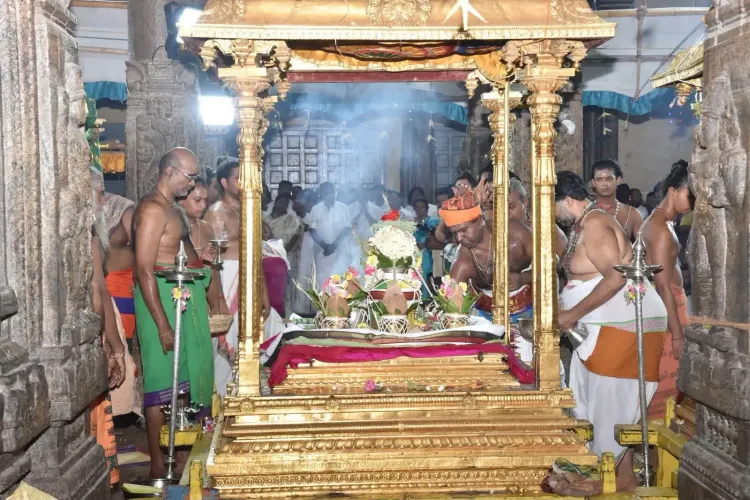
The Maha Kumbabhishekam of the iconic Meenakshi Amman Temple in Madurai was performed with extraordinary religious fervour on Thursday, 17 September 2026, drawing thousands of devotees to the temple city for one of the most significant Hindu consecration ceremonies in recent memory. The sacred ritual, conducted after months of extensive renovation costing ₹25 crore, marked the culmination of a painstaking restoration effort at one of India's most revered shrines.
The Scale of the Ceremony
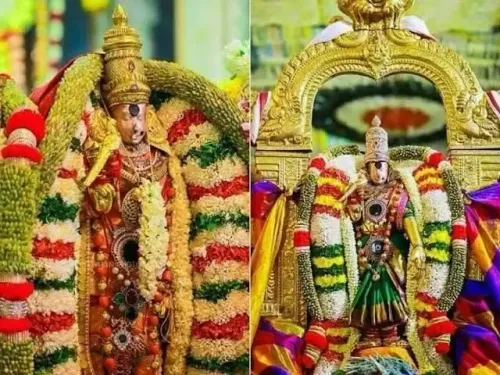
A grand yagashala featuring 184 sacred fire pits was erected along North Adi Street to host the elaborate rituals. Special golden pots dedicated to the presiding deities — Meenakshi Amman and Sundareswarar — were installed and filled with holy water drawn from sacred rivers including the Ganga, Yamuna, Cauvery, and Vaigai. More than 400 Sivacharyas officiated over the multi-day proceedings.
Key Rituals and Timeline
The first phase of the yagashala pujas commenced on 11 September, progressing through successive rounds of prayers and fire rituals. The consecration of 414 parivara deities was conducted in the lead-up to the main event. The concluding ceremonies began at 3.45 am on Thursday with the twelfth kala yagashala puja. Sacred pots were taken out in procession at 5.45 am, carried by Sivacharyas to the 12 gopurams — including the four towering Rajagopurams — and the golden vimanas. The Kumbabhishekam of the towers was performed at 7.40 am, followed by the pouring of holy water over the main shrines of Meenakshi Amman and Sundareswarar, marking the formal culmination of the Maha Kumbabhishekam.
What Was Renovated
Central to the ₹25 crore restoration was the rebuilding of the Veeravasantharayar Mandapam, which had suffered severe damage in a fire. The structure has now been fully reconstructed and reopened. Beyond the mandapam, the renovation encompassed the golden vimanas, sanctum towers, and all 12 temple gopurams, all of which received consecration as part of the ceremony.
Procession, Darshan and City Celebrations
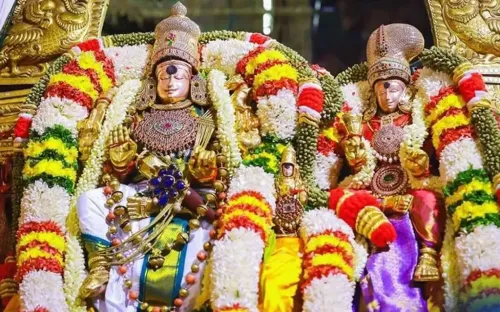
After the tenth yagashala puja, the sacred water pots were carried in a ceremonial procession accompanied by elephants, temple cattle, and traditional music. Holy water was poured over the shrines of Siddhi Vinayakar, Koodal Kumarar, Dakshinamurthy, Durga, Mahalakshmi, Bhadrakali, Agni Veerabhadrar, the 63 Nayanmars, and the Navagrahas, among other deities. Devotees were permitted unrestricted worship from 10 am. For those unable to attend the dawn ceremonies, temple authorities arranged a street procession of Meenakshi Amman and Sundareswarar through the four Masi streets at 7 pm. The city of Madurai has taken on a festive character, with streets illuminated and adorned for the historic occasion.
Frequently Asked Questions
What is the Maha Kumbabhishekam of Meenakshi Amman Temple?
The Maha Kumbabhishekam is the grand consecration ceremony of the Meenakshi Amman Temple in Madurai, performed to re-energise the temple's divine presence after renovation or repair work. The 2026 edition, held on 17 September, followed a ₹25 crore restoration that included rebuilding the fire-damaged Veeravasantharayar Mandapam and renovating all 12 gopurams and golden vimanas.
Why was the Meenakshi Temple Kumbabhishekam held in 2026?
The ceremony was held following extensive renovation work costing ₹25 crore, which was necessitated in part by a fire that severely damaged the Veeravasantharayar Mandapam. Hindu temple tradition requires a Kumbabhishekam after major structural repairs to ritually reconsecrate the deity shrines and temple towers.
How many Sivacharyas officiated at the Meenakshi Temple Kumbabhishekam?
More than 400 Sivacharyas conducted the elaborate multi-day rituals. They oversaw the yagashala pujas across 184 sacred fire pits on North Adi Street and carried the consecrated water pots in procession to the 12 gopurams and golden vimanas.
Which rivers' holy water was used in the Meenakshi Temple consecration?
Holy water from the Ganga, Yamuna, Cauvery, and Vaigai rivers was used to fill the special golden pots dedicated to Meenakshi Amman and Sundareswarar, and was subsequently poured over the shrines and towers during the Kumbabhishekam.
When can devotees visit Meenakshi Amman Temple after the Kumbabhishekam?
Unrestricted darshan for devotees commenced from 10 am on 17 September 2026. Temple authorities also arranged an evening procession of Meenakshi Amman and Sundareswarar through the four Masi streets at 7 pm for those who could not attend the early morning ceremonies.