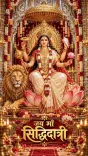
Maha Navami 2026: Ministers, CMs offer prayers to Maa Siddhidatri
Synopsis
On Maha Navami 2026, the final day of Sharadiya Navratri, senior leaders including Defence Minister Rajnath Singh, Health Minister J.P. Nadda, and Chief Ministers Rekha Gupta, Pushkar Singh Dhami, and Mohan Yadav all invoked the blessings of Maa Siddhidatri — underscoring how deeply the nine-night festival resonates across the country's political and social fabric.
Key Takeaways
Maha Navami , observed on 19 October , marks the ninth and final day of Sharadiya Navratri .
Defence Minister Rajnath Singh posted Maha Navami greetings on X, praying for wisdom and divine grace for all.
Union Health Minister J.P.
Nadda offered salutations to Maa Siddhidatri , seeking happiness and a bright future for citizens.
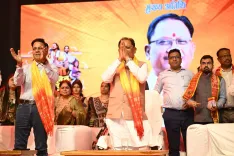
Delhi CM Rekha Gupta , Uttarakhand CM Pushkar Singh Dhami , and Madhya Pradesh CM Mohan Yadav also extended wishes and prayers.
Devotees across India observed fasts, performed special pujas, and participated in Kanya Pujan on the occasion.
The festival concludes with Dussehra (Vijayadashami) , celebrating the victory of good over evil.
As India observed Maha Navami on Monday, 19 October, Union Ministers and Chief Ministers from across the country extended warm greetings, invoking the blessings of Maa Siddhidatri for the well-being, prosperity, and happiness of all citizens.
What is Maha Navami
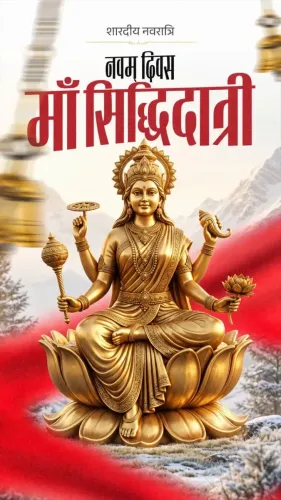
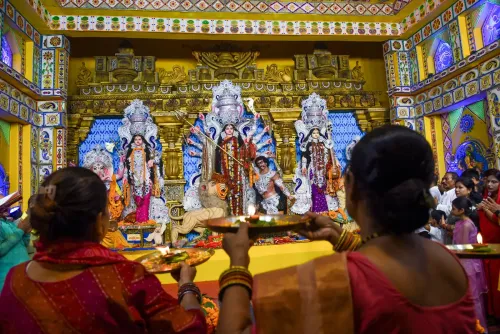
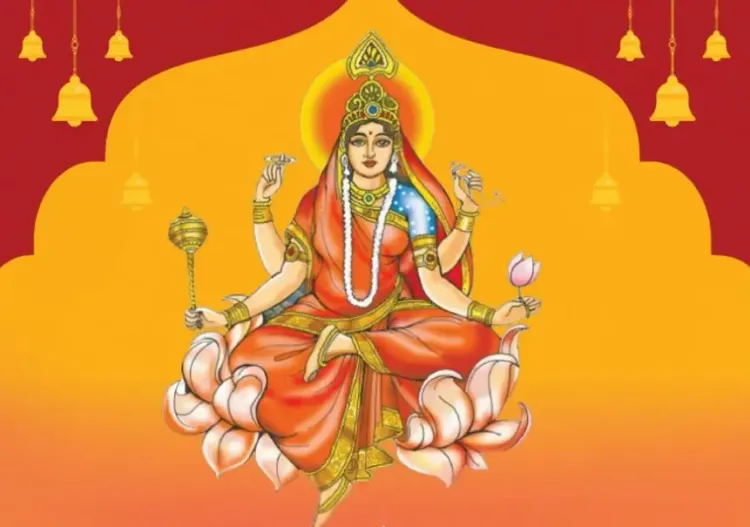
Maha Navami marks the ninth and concluding day of Sharadiya Navratri, the nine-night festival dedicated to the nine forms of Goddess Durga. On this day, devotees venerate Maa Siddhidatri, traditionally associated with spiritual fulfilment, wisdom, and the granting of siddhis — divine accomplishments. Temples and homes across India witness special pujas, aartis, and offerings throughout the day. Many devotees also observe fasts and participate in Kanya Pujan, a ritual in which young girls are worshipped as manifestations of the divine feminine.
What Leaders Said
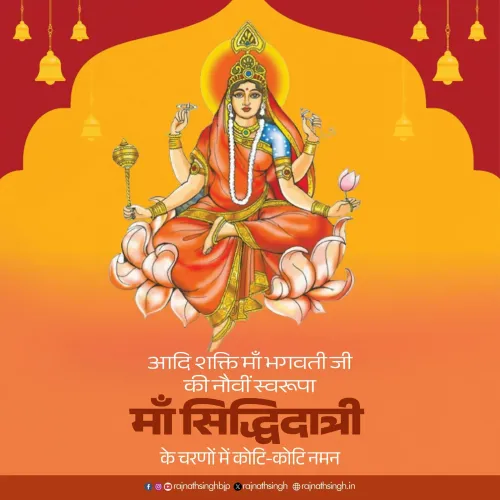
Defence Minister Rajnath Singh, in a post on X, offered his reverence to the goddess. 'Millions of obeisances at the feet of Maa Siddhidatri, the bestower of all accomplishments and divine knowledge,' he wrote. He further prayed that 'Maa Siddhidatri maintain Her boundless grace upon all,' adding that every achievement must become 'a means for the welfare of the world' and that lives must progress 'on the path of service, devotion, and righteousness.'
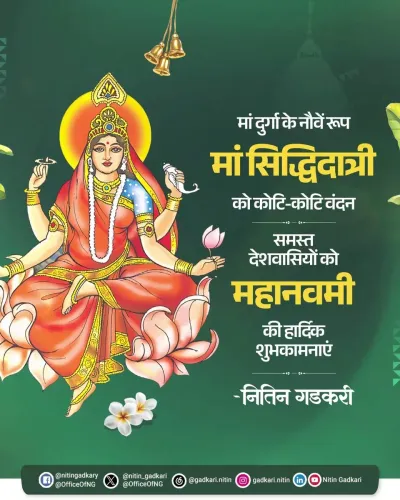
Union Health Minister J.P. Nadda extended greetings and offered 'millions of salutations at the lotus feet of Mother Durga in her form as Siddhidatri.' He prayed to 'Mother Siddhidatri, the symbol of knowledge, for a life of happiness and a bright future for all.'
Chief Ministers Join the Celebrations
Delhi Chief Minister Rekha Gupta, posting on X, said the occasion 'inspires us with the power of devotion, the light of knowledge, and unwavering resolve on the path of righteousness.' She prayed that Maa Siddhidatri bless every life with 'happiness, prosperity, and good health' and that 'harmony flourish in society' and 'unity strengthen in the nation.'
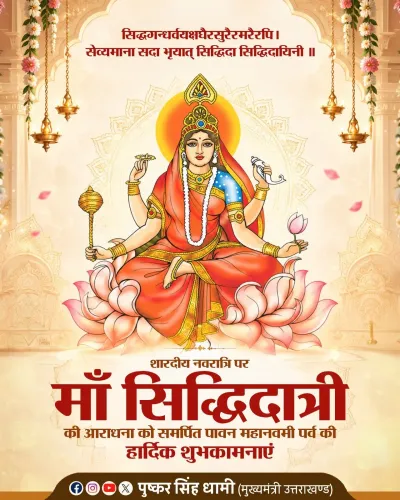
Uttarakhand Chief Minister Pushkar Singh Dhami also conveyed his wishes, praying to Mother Siddhidatri for 'the happiness, prosperity, and healthy life of all.'
Madhya Pradesh Chief Minister Mohan Yadav described the goddess as 'the Goddess of Siddhi and Moksha' and offered 'heartfelt congratulations and best wishes to all on the auspicious occasion of Durga Navami.' He added a prayer: 'May the grace of the Mother endure, may the welfare of the world prevail, may all desires be fulfilled.'
National Significance
The convergence of greetings from political leaders cutting across states reflects the pan-Indian importance of Sharadiya Navratri, one of the most widely observed Hindu festivals in the country. Maha Navami concludes the nine days of worship and is typically followed by Dussehra (Vijayadashami), which celebrates the triumph of good over evil. Festivities this year unfolded against a backdrop of large-scale pujas and processions reported from Delhi, Varanasi, Kolkata, and other major cities.
Point of View
Yet the sheer breadth of participation — cutting across states governed by different parties — illustrates how festivals like Navratri occupy a uniquely unifying space in Indian public life. What stands out this cycle is the consistency of messaging around 'service, devotion, and righteousness,' language that blends the devotional with the political in ways that reflect a broader shift in how governance is communicated during religious occasions. For citizens, the real story remains the grassroots vibrancy of Kanya Pujan and community pujas, which continue independently of any official proclamation.
NationPress
19 Oct 2026
Frequently Asked Questions
What is Maha Navami and why is it significant?
Maha Navami is the ninth and final day of Sharadiya Navratri, the nine-night Hindu festival dedicated to the nine forms of Goddess Durga. On this day, devotees worship Maa Siddhidatri, associated with spiritual fulfilment, wisdom, and divine accomplishments, through special pujas, aartis, and Kanya Pujan rituals.
Who is Maa Siddhidatri?
Maa Siddhidatri is the ninth form of Goddess Durga, worshipped on Maha Navami. She is traditionally regarded as the bestower of siddhis — divine accomplishments — as well as spiritual wisdom and fulfilment.
Which leaders extended Maha Navami greetings in 2026?
Defence Minister Rajnath Singh and Health Minister J.P. Nadda extended greetings at the Union level. Chief Ministers Rekha Gupta of Delhi, Pushkar Singh Dhami of Uttarakhand, and Mohan Yadav of Madhya Pradesh also conveyed wishes to citizens.
What is Kanya Pujan and when is it observed?
Kanya Pujan is a ritual observed during Navratri, particularly on Maha Ashtami and Maha Navami, in which young girls are worshipped as living manifestations of the divine feminine. Devotees offer food, clothing, and gifts to the girls as a form of reverence to Goddess Durga.
What follows Maha Navami in the Hindu calendar?
Maha Navami is immediately followed by Dussehra, also called Vijayadashami, which celebrates the victory of good over evil — traditionally marking Lord Rama's defeat of Ravana or Goddess Durga's triumph over the demon Mahishasura.