PM Modi extends Mahanavami greetings, invokes Maa Siddhidatri
Synopsis
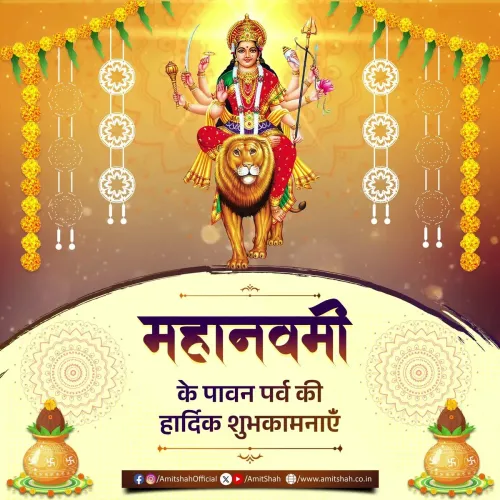
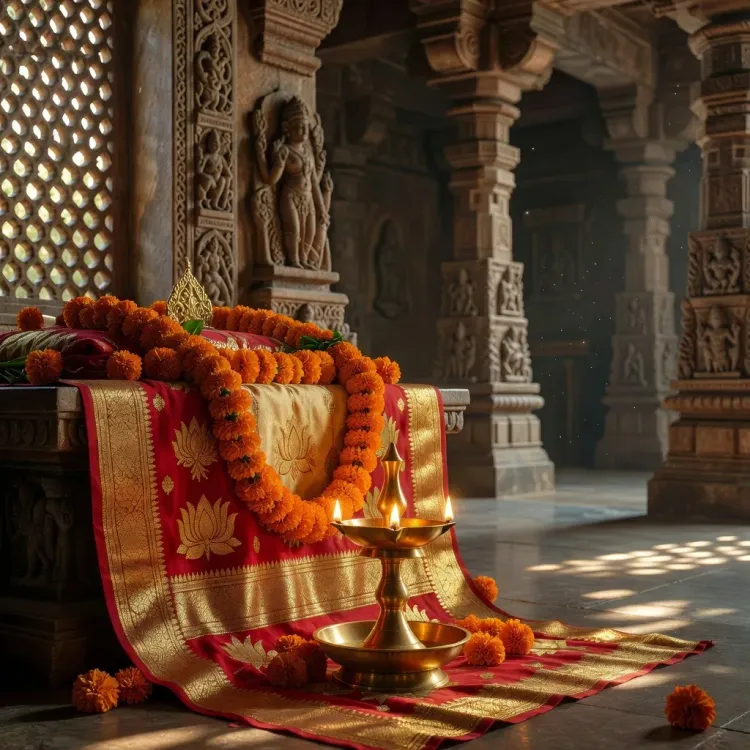
Prime Minister Narendra Modi greeted the nation on Mahanavami, the ninth and final day of Navratri, invoking blessings of Maa Siddhidatri — the goddess of spiritual accomplishment — for all devotees. Dussehra follows the next day.
Key Takeaways
PM Narendra Modi posted Mahanavami greetings on 19 October 2026 , the ninth day of Navratri.
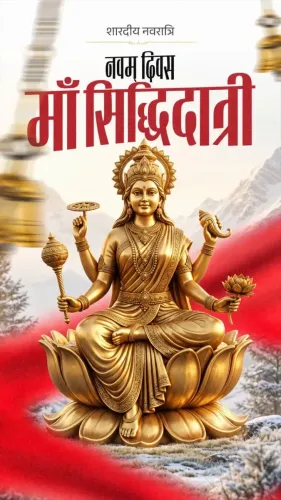
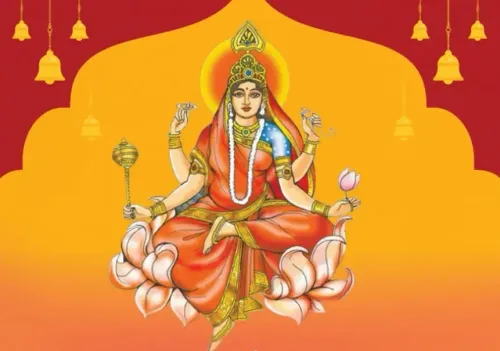
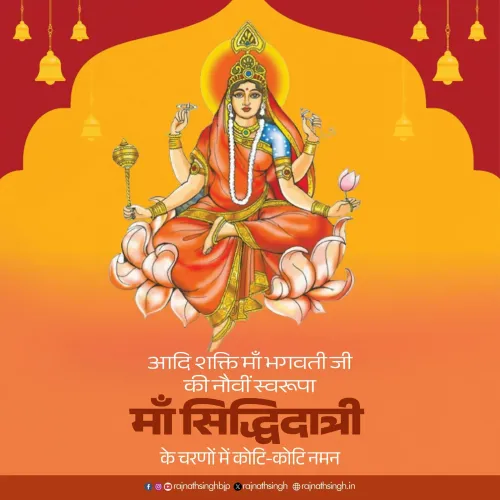
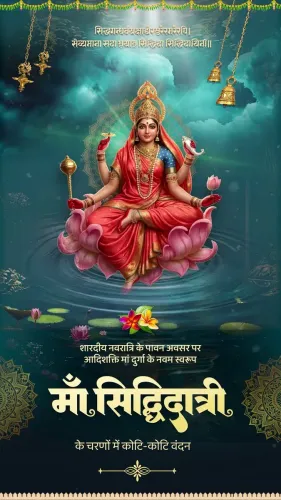
He offered crores of salutations at the feet of Maa Siddhidatri , the ninth form of Goddess Durga.
He prayed that the goddess grant all devotees ' sankalp ki siddhi ' — the fulfillment of their resolve.
Mahanavami is the culminating day of Navratri, immediately preceding Dussehra .
Modi has maintained a consistent tradition of social-media greetings on major Hindu festivals since taking office.
On the ninth and most sacred morning of Navratri, Prime Minister Narendra Modi offered his respects to Maa Siddhidatri — the goddess of spiritual accomplishment — and extended warm wishes to every Indian observing Mahanavami on Monday, 19 October 2026.
Writing in Hindi, the Prime Minister said: 'सभी देशवासियों को महानवमी की ढेरों शुभकामनाएं' ('Many greetings of Mahanavami to all countrymen'), and added a personal note of reverence — 'मां सिद्धिदात्री के चरणों में मेरा कोटि-कोटि प्रणाम' ('my crores of salutations at the feet of Maa Siddhidatri'). He closed with a prayer that the goddess bless all her devotees with the fulfillment of their resolve.
Who is Maa Siddhidatri and why Mahanavami matters
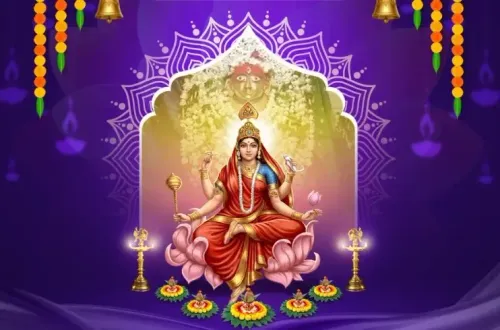
Maa Siddhidatri is the ninth and final form of Goddess Durga venerated during Navratri. Her name translates literally as 'the giver of siddhis' — divine powers and spiritual accomplishments. Worshipping her on Mahanavami is believed to complete the cycle of the nine-night festival and prepare devotees for the triumph of good over evil celebrated the very next day on Dussehra.
Mahanavami is observed with elaborate rituals across India — kanya puja (the honouring of young girls as embodiments of the goddess), hawan (sacred fire ceremonies), and community processions mark the day in homes and temples from Varanasi to Mysuru to Kolkata's Durga Puja pandals.
Modi's pattern of festive outreach
Since taking office, Prime Minister Modi has consistently posted greetings on major Hindu observances — Navratri, Diwali, and beyond — as a visible thread of cultural engagement on his social media. These messages invoke national unity and devotion without direct policy linkage, and routinely draw wide resonance given the festivals' pan-India footprint.
With Mahanavami complete, the country's attention now turns to Dussehra, when effigies of Ravana will burn across hundreds of venues and the Prime Minister traditionally participates in high-profile celebrations in the capital.
Point of View
The timing amplifies the message. Cumulatively, these moments of festive engagement serve as soft political touch-points that operate entirely outside the adversarial news cycle.
NationPress
19 Oct 2026
Frequently Asked Questions
What is Mahanavami and why is it celebrated?
Mahanavami is the ninth day of the Navratri festival, dedicated to Maa Siddhidatri , the ninth form of Goddess Durga. It is observed with kanya puja , hawan , and special prayers, and it marks the conclusion of the nine-night worship cycle before Dussehra.
Who is Maa Siddhidatri?
Maa Siddhidatri is the ninth and final form of Goddess Durga worshipped during Navratri. Her name means 'the giver of siddhis' (spiritual powers), and devotees pray to her for the fulfillment of their deepest resolves and accomplishments.
What did PM Modi say on Mahanavami 2026?
PM Modi extended greetings to all Indians, offered his crores of salutations at the feet of Maa Siddhidatri, and prayed that she bless all her devotees with the fulfillment of their resolve ( sankalp ki siddhi ).
When is Dussehra 2026?
Dussehra falls the day after Mahanavami — on 20 October 2026 — and marks the victory of Lord Ram over Ravana, celebrated with the burning of Ravana effigies at venues across India.
Does PM Modi regularly post festival greetings?
Yes. Prime Minister Modi has consistently posted greetings on major Hindu festivals — including all nine days of Navratri, Diwali, and others — since taking office, as part of a visible cultural and social-media outreach tradition.