Maharashtra forts conservation: ₹441 crore approved for 184 monuments
Synopsis
Maharashtra has cleared ₹441 crore to conserve 184 monuments and extended its heritage funding window to 2026-27 — but the real test is whether 108 ongoing works, spread across the state's forts and temples, actually reach completion. With Sindhudurg's Maratha naval forts now in focus, the government is betting on digital surveys and Gram Panchayat management to plug decades of neglect.
Key Takeaways
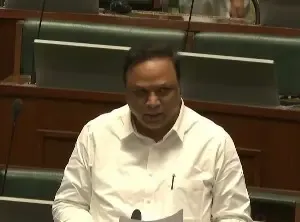
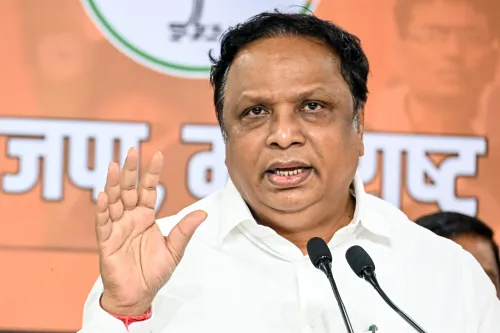
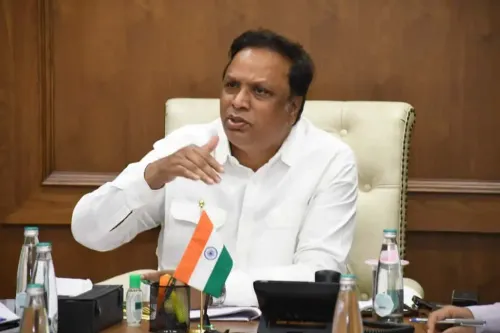
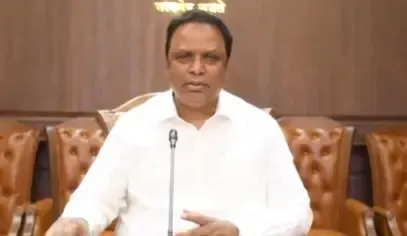
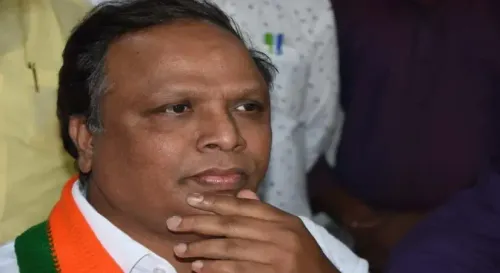
Cultural Affairs Minister Ashish Shelar directed officials on Tuesday to expedite conservation of forts and monuments across Maharashtra .
The 3% District Annual Plan (General) funding provision for heritage conservation has been extended through 2026-27 .
Technical approval of ₹441.14 crore granted for conserving 184 monuments statewide; 52 works worth ₹105.61 crore already completed.
A site museum will be set up at Nandos Fort ; Bhagwantgad to undergo a digital survey; Siddhagad to be declared a State Protected Monument .
An additional ₹627.62 crore approved via departmental funds, with 86 works currently underway.
Preventive orders issued to stop illegal excavation or mining at fort sites pending protection status.
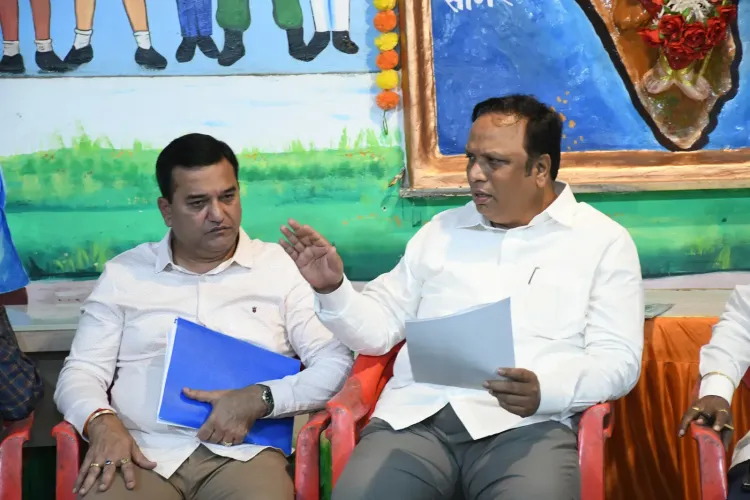
Cultural Affairs Minister Ashish Shelar on Tuesday directed officials to fast-track conservation works across Maharashtra's forts, ancient temples, and historic monuments, as the state extended a key funding provision through 2026-27. The move allows three per cent of funds under the District Annual Plan (General) to be deployed for heritage conservation — a lifeline for sites that have long awaited structural attention.
Key Decisions at the Review Meeting
At a meeting chaired by Shelar, officials took targeted decisions on three heritage sites in Sindhudurg district. A site museum will be established at Nandos Fort, with the local Gram Panchayat entrusted with its day-to-day management. A digital survey of Bhagwantgad using modern technology has received administrative approval, with a detailed report to follow. Separately, the process of declaring Siddhagad a State Protected Monument has been formally initiated.
Shelar also confirmed that preventive orders have been issued to bar illegal excavation or mining within fort premises until the protection process is complete.
Scale of Conservation: Numbers and Progress
Technical approval worth ₹441.14 crore has been granted to conserve 184 monuments statewide through the District Annual Plan of the Directorate of Archaeology and Museums. Of these, 161 works amounting to ₹372.34 crore have received administrative approval, while 52 works worth ₹105.61 crore have been completed. Currently, 108 works valued at ₹184.68 crore are underway.
Beyond the District Annual Plan, an additional 108 works worth ₹627.62 crore have been sanctioned through departmental funds. Of these, 16 have been completed and 86 are in progress — signalling a broad, multi-track conservation push across the state.
Who Attended and What It Signals
Senior officials from the Cultural Affairs Department, including Tejas Garge, Director of the Directorate of Archaeology and Museums, along with district officials and local public representatives, attended the review meeting. The multi-stakeholder composition suggests the government is moving toward decentralised management of heritage assets — particularly for forts in remote districts where central oversight has historically been thin.
This comes amid growing concern over the deterioration of Maharashtra's coastal and Deccan forts, many of which bear Maratha-era significance and attract substantial tourism. Notably, Sindhudurg district — home to the three sites highlighted at Tuesday's meeting — holds some of the most strategically important Maratha naval fortifications, including Sindhudurg Fort built by Chhatrapati Shivaji Maharaj.
What Happens Next
With the District Annual Plan provision extended to 2026-27, departments have a firmer fiscal runway to complete ongoing works and initiate new ones. The digital survey of Bhagwantgad and the State Protected Monument declaration for Siddhagad are the two near-term milestones to watch. Whether the pace of on-ground execution matches the scale of financial approvals will determine the programme's real impact.
Point of View
And 108 are still in progress. Maharashtra's forts have been subject to recurring conservation announcements without commensurate on-ground outcomes. The extension of the District Annual Plan provision to 2026-27 buys time, but without independent monitoring and time-bound completion targets, the risk is that funds remain allocated on paper while heritage sites continue to erode. The Gram Panchayat management model for Nandos Fort is worth watching — decentralisation can work, but only with adequate technical support and accountability structures that village bodies rarely have.
NationPress
9 Oct 2026
Frequently Asked Questions
What is the Maharashtra government's plan for fort and monument conservation?
The Maharashtra government has extended a provision allowing 3% of District Annual Plan (General) funds to be used for heritage conservation through 2026-27. Technical approval worth ₹441.14 crore has been granted for conserving 184 monuments statewide, with work already completed on 52 sites.
Which forts in Sindhudurg district are being prioritised?
Three sites in Sindhudurg district are in focus: Nandos Fort, where a site museum will be established; Bhagwantgad, which will undergo a digital survey using modern technology; and Siddhagad, which is being declared a State Protected Monument.
How much money has been approved for Maharashtra's heritage conservation?
₹441.14 crore has been technically approved through the District Annual Plan for 184 monuments. An additional ₹627.62 crore has been sanctioned through departmental funds, bringing the combined conservation outlay to over ₹1,000 crore across both funding streams.
What steps are being taken to prevent damage to forts during the conservation process?
Cultural Affairs Minister Ashish Shelar confirmed that preventive orders have been issued to prohibit illegal excavation or mining within fort premises until the protection and conservation process is formally completed.
Who will manage Nandos Fort after the site museum is established?
The local Gram Panchayat has been entrusted with the management of Nandos Fort once the site museum is established, marking a decentralised approach to heritage site administration.