Maharashtra clears ₹993 crore for pilgrimage sites, forts and heritage locations
Synopsis
Maharashtra has cleared nearly ₹1,000 crore in a single sitting for six pilgrimage sites, forts, and heritage locations — from a ropeway at Bhimashankar to a Lord Shiva statue on Meru Parvat at Parli Vaijnath. The move, approved despite stated fiscal caution over the West Asia situation, underscores how religious tourism has become a centrepiece of the Fadnavis government's infrastructure agenda.
Key Takeaways
The Maharashtra government approved ₹993.72 crore on 18 May 2025 for six pilgrimage, fort, and heritage sites.
Largest single allocation: ₹301.54 crore for Shri Kshetra Parli Vaijnath Jyotirlinga Temple premises, structured across three phases.
Shri Kshetra Grishneshwar Jyotirlinga at Ellora receives ₹210 crore , including an additional ₹53.82 crore in revised allocation.
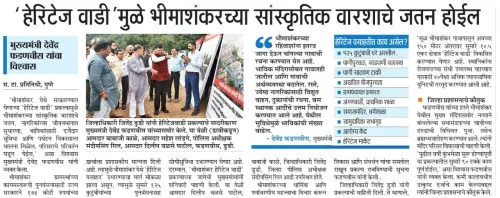
Bhimashankar development — including a ropeway and road widening from 2.7 m to 7 m — is targeted for completion by May 2027 .
The Sangam Mahuli project will restore samadhi sites of Maharani Tarabai , Maharani Yesubai , and Chhatrapati Shahu Maharaj .
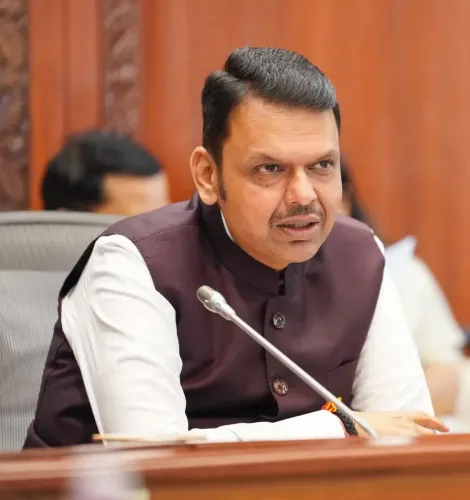
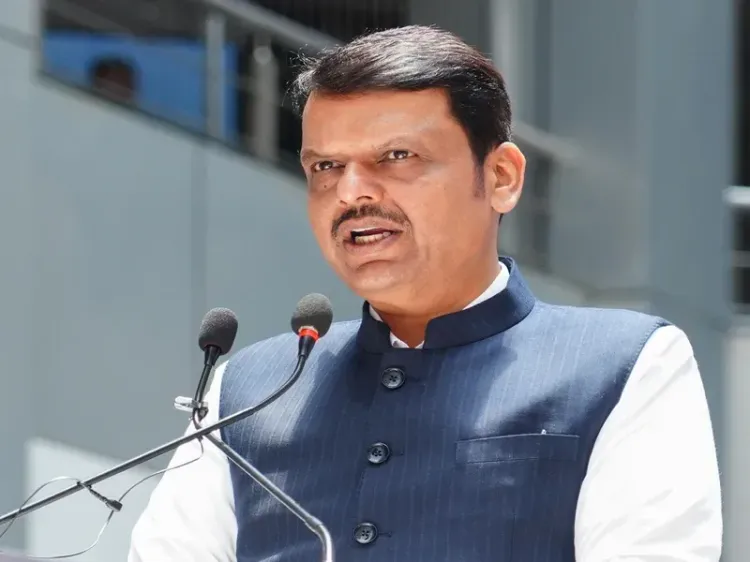
Approval was cleared by the apex committee headed by Chief Minister Devendra Fadnavis .
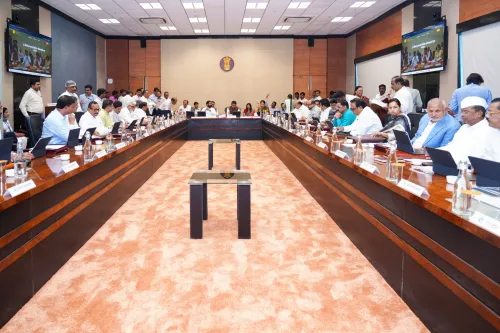
The Maharashtra government on Monday, 18 May approved development plans worth ₹993.72 crore for six pilgrimage sites, forts, and historical locations across the state. The funds, cleared by an apex committee chaired by Chief Minister Devendra Fadnavis, will be directed toward preservation, conservation, and infrastructure development at some of Maharashtra's most significant religious and heritage destinations.
Key Projects and Fund Allocation
The approved outlay covers six distinct projects. Shri Kshetra Bhimashankar Adarsh Gaon Development receives ₹172 crore; conservation of Sant Tukaram Maharaj's birthplace at Dehu gets ₹41 crore; Ajinkyatara Fort in Satara district is allocated ₹134.80 crore; the Sangam Mahuli (Satara) Samadhi Site Conservation Project receives ₹133 crore; the Shri Kshetra Grishneshwar Jyotirlinga Development Plan at Ellora is allocated ₹210 crore; and the Shri Kshetra Parli Vaijnath Jyotirlinga Temple premises development gets ₹301.54 crore.
What the Development Plans Include
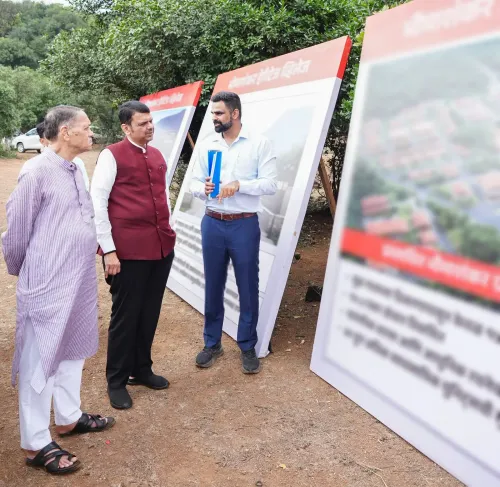
At Bhimashankar, a modern bus station, parking facilities, bypass roads, and road-widening works — from 2.7 metres to 7 metres — are planned, with completion targeted by May 2027. The project also encompasses pedestrian pathways, a 257-KLD-capacity sewage treatment plant, a new police station, a cable car (ropeway) facility, and tourism infrastructure at Rajapur.
At Dehu, the Sant Tukaram birthplace project covers road beautification, sanitation, drinking water supply, devotee accommodation, an information centre, and conservation of the Bhandara Dongar green zone. The Ajinkyatara Fort plan includes a spectator gallery, revival of the Raj Sadar (royal court), conservation of bastions, an advanced suspension bridge, and rest houses.
The Sangam Mahuli project will restore the samadhi sites of Maharani Tarabai, Maharani Yesubai, and Chhatrapati Shahu Maharaj, alongside conservation of the historic Sangameshwar Temple, ghats, a hanging bridge, and a viewing gallery.
Grishneshwar and Parli Vaijnath: Phased Expansion
The revised plan for Grishneshwar Jyotirlinga Temple at Ellora in Chhatrapati Sambhajinagar district includes an additional allocation of ₹53.82 crore. Chief Minister Fadnavis directed officials to expedite devotee accommodation (Bhakta Niwas), darshan queue complexes, a shopping complex, function hall, ghats, and a 1.6-km external bypass road.
The Parli Vaijnath Jyotirlinga project, worth ₹301.54 crore, is structured across three phases. Phase 1 covers the main temple premises — grand entrance gates, a digital queue management system, waiting halls, a community kitchen (Annakhetra), and a yoga and meditation centre. Phase 2 focuses on sacred water bodies including scientific revival of Harihar and Markandeya Teerthas, ghats, cycling tracks, divyang-friendly facilities, and CCTV surveillance. Phase 3 involves Meru Parvat development — a grand statue of Lord Shiva, a Shiv Purana and Vedic museum, an amphitheatre, laser light-and-sound shows, and meditation spaces.
Context and Significance
The approval comes even as the state government has maintained measures aimed at financial prudence in the context of the ongoing West Asia situation. The scale of the outlay — nearly ₹1,000 crore in a single clearance — signals the Fadnavis administration's prioritisation of religious tourism and heritage conservation as a development pillar. Maharashtra is home to five of India's twelve Jyotirlinga shrines, drawing millions of pilgrims annually. Upgrading infrastructure at these sites directly affects devotee experience, local livelihoods, and the state's tourism revenue. The projects, once complete, are expected to position several of these destinations as world-class pilgrimage and heritage tourism hubs.
Point of View
000 crore outlay for pilgrimage and heritage infrastructure — cleared even while the government publicly flags fiscal caution due to the West Asia situation — reveals the political calculus at work. Religious tourism has become a reliable electoral and economic lever, and the Fadnavis administration is leaning into it hard. What the announcement does not address is the track record of similar state-funded heritage projects: cost overruns, delayed completions, and maintenance gaps that leave infrastructure underutilised within years of inauguration. The three-phase structure at Parli Vaijnath and the May 2027 deadline at Bhimashankar will be the real test of whether this ₹993 crore translates into durable public assets or another round of impressive groundbreakings.
NationPress
15 Sept 2026
Frequently Asked Questions
What did the Maharashtra government approve on 18 May 2025?
The Maharashtra government approved development plans worth ₹993.72 crore for six pilgrimage sites, forts, and historical locations across the state. The clearance was given by an apex committee chaired by Chief Minister Devendra Fadnavis and covers preservation, conservation, and tourism infrastructure.
Which sites are covered under the ₹993 crore Maharashtra heritage plan?
The six sites are: Shri Kshetra Bhimashankar (₹172 crore), Sant Tukaram Maharaj's birthplace at Dehu (₹41 crore), Ajinkyatara Fort in Satara (₹134.80 crore), Sangam Mahuli Samadhi Site in Satara (₹133 crore), Grishneshwar Jyotirlinga at Ellora (₹210 crore), and Parli Vaijnath Jyotirlinga Temple (₹301.54 crore).
What will be built at Bhimashankar under this plan?
At Bhimashankar, the plan includes a modern bus station, parking, bypass and widened roads (from 2.7 m to 7 m), pedestrian pathways, a 257-KLD sewage treatment plant, a cable car (ropeway), a new police station, and tourism facilities at Rajapur. Work is targeted for completion by May 2027.
What are the three phases of the Parli Vaijnath Jyotirlinga development?
Phase 1 covers the main temple premises including grand entrance gates, digital queue management, waiting halls, and a community kitchen. Phase 2 focuses on sacred water bodies — reviving Harihar and Markandeya Teerthas, ghats, cycling tracks, and CCTV systems. Phase 3 develops Meru Parvat with a grand Lord Shiva statue, a Shiv Purana and Vedic museum, an amphitheatre, and laser light-and-sound shows.
Why is Maharashtra investing in pilgrimage and heritage infrastructure now?
Maharashtra is home to five of India's twelve Jyotirlinga shrines and several significant Maratha heritage sites, drawing millions of pilgrims annually. The Fadnavis government has positioned religious tourism as a key development and revenue pillar. The approvals come despite stated fiscal caution linked to the ongoing West Asia situation, indicating the state views this spending as a priority investment.