CM Fadnavis Reviews Bhimashankar Heritage Village Plan
Synopsis
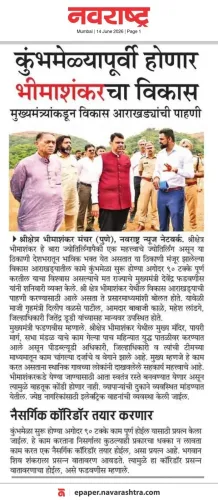
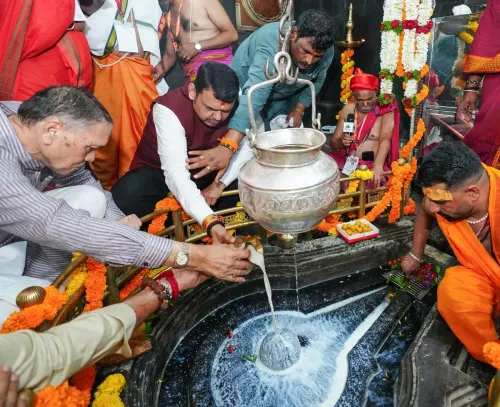
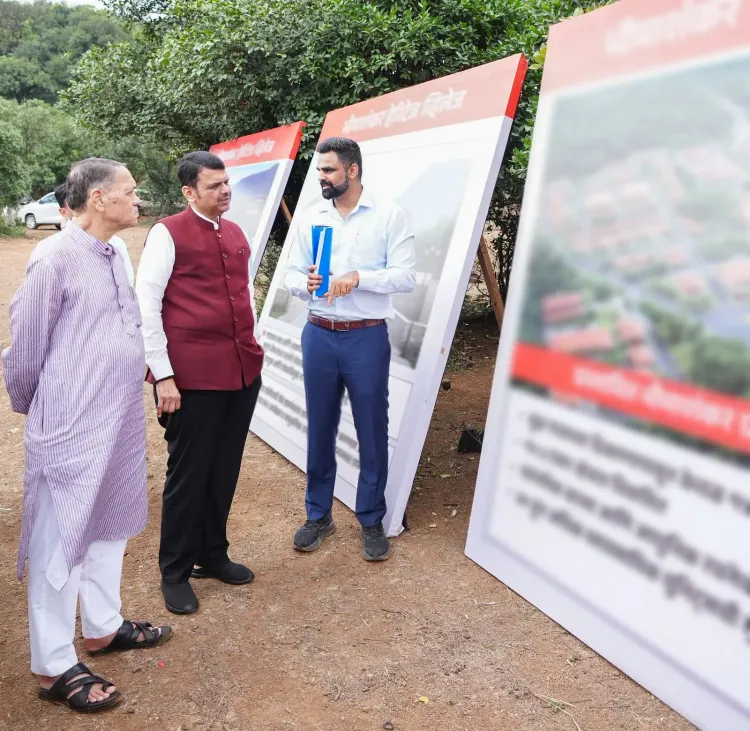
Chief Minister Devendra Fadnavis on 13 June 2026 reviewed the development blueprint for the Bhimashankar Heritage Village at the Jyotirlinga shrine in Pune district, with local MLAs Dilip Walse Patil and Mahesh Landge present, signalling the state's push to upgrade pilgrimage infrastructure at one of Maharashtra's most sacred sites.
Key Takeaways
Chief Minister Devendra Fadnavis conducted a site inspection of the Bhimashankar Heritage Village development plan on 13 June 2026 .
The inspection took place at Shri Kshetra Bhimashankar , one of the twelve Jyotirlinga shrines of Lord Shiva, located in Pune district, Maharashtra .
MLAs Dilip Walse Patil and Mahesh Landge were present alongside other dignitaries at the review.
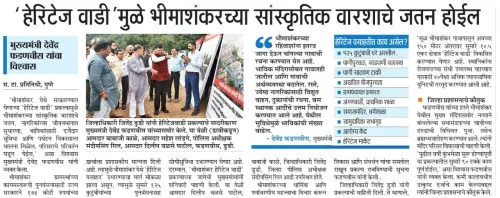
The Heritage Village initiative aims to upgrade pilgrim infrastructure, conserve traditional architecture, and regulate commercial activity around the temple precinct.
Maharashtra has a policy history of heritage and infrastructure upgrades at Jyotirlinga sites, often aligned with central government religious tourism programmes.
Next steps to watch include state budget allocations, cabinet approvals, and tender issuances for phased project execution.
The Chief Minister's Office of Maharashtra announced on Saturday, 13 June 2026, that Chief Minister Devendra Fadnavis conducted a site inspection of the development blueprint for the 'Bhimashankar Heritage Village' at the sacred Shri Kshetra Bhimashankar in Pune district. The review signals the state government's active push to upgrade infrastructure and heritage zoning at one of Maharashtra's most visited Jyotirlinga shrines.
Context
The post, shared by the official Chief Minister's Office account, states in Marathi: 'Mukhyamantri Devendra Fadnavis yanhi aaj Shri Kshetra Bhimashankar yethil Bhimashankar Heritage Village chya vikas aarakhdyachi pahani keli' — meaning Chief Minister Devendra Fadnavis today reviewed the development plan of the Bhimashankar Heritage Village at Shri Kshetra Bhimashankar. MLAs Dilip Walse Patil and Mahesh Landge, along with other dignitaries, were present at the inspection.
Bhimashankar is one of the twelve Jyotirlinga shrines of Lord Shiva and draws large numbers of pilgrims each year. The site sits within a biodiversity-rich zone in the Sahyadri ranges of Pune district, making any development plan subject to both tourism and environmental considerations.
Policy Backdrop
Maharashtra governments have periodically announced heritage and pilgrimage site upgrades at Jyotirlinga locations as part of state tourism policy frameworks since the mid-2010s. The 'Heritage Village' concept typically involves planned infrastructure — including pilgrim amenities, conservation of traditional architecture, improved road and sanitation facilities, and regulated commercial zones — aimed at enhancing the visitor experience while preserving the site's cultural character.
Such chief ministerial site inspections are a standard feature of project oversight in Maharashtra, serving to accelerate administrative clearances and signal political priority. These state-level efforts frequently intersect with central government schemes focused on religious tourism circuits and pilgrimage infrastructure.
Stakeholders and Impact
The primary stakeholders include the large volume of pilgrims who visit Bhimashankar annually, local residents of surrounding villages who depend on pilgrimage-linked commerce, and the broader tourism industry operating in the Pune and Khed taluka region. Heritage zoning, if implemented, could bring regulated development that benefits local livelihoods while curbing unplanned construction near the temple precinct.
MLAs Dilip Walse Patil and Mahesh Landge, both representing constituencies in the region, attended the review — underscoring the local political importance of the project and the expectation of tangible progress from elected representatives.
What's Next
Observers will watch for state budget allocations, tender issuances, or land-use notifications that translate the development blueprint into phased execution. A formal project announcement or approval by the state cabinet would be the next significant milestone. The inspection suggests the plan has cleared early conceptual stages and is moving toward implementation review.
If the Heritage Village framework advances, Bhimashankar could become a template for similar upgrades at other Jyotirlinga and major pilgrimage sites across Maharashtra, reinforcing the state's positioning as a destination for religious tourism.
Point of View
Elevating a heritage tourism project into the chief ministerial spotlight ahead of potential budget or tender decisions. The presence of two local MLAs suggests the scheme carries electoral weight in the Pune-Khed belt, where pilgrimage commerce is a significant economic driver. More broadly, the move fits a pattern of Maharashtra governments using Jyotirlinga upgrades as both governance deliverables and soft-power assertions of cultural stewardship. Whether the inspection translates into funded, time-bound execution will be the real test of political intent.
NationPress
27 Oct 2026
Frequently Asked Questions
What is the Bhimashankar Heritage Village project?
The Bhimashankar Heritage Village is a proposed state-government initiative to develop planned infrastructure, conserve traditional architecture, and regulate commercial activity around the Bhimashankar Jyotirlinga shrine in Pune district, Maharashtra.
Why did CM Devendra Fadnavis visit Bhimashankar on 13 June 2026?
CM Devendra Fadnavis visited Bhimashankar to conduct a site inspection of the development blueprint for the Bhimashankar Heritage Village, a key pilgrimage infrastructure project in Pune district.
Where is Bhimashankar located?
Bhimashankar is located in the Sahyadri ranges of Pune district, Maharashtra, and is one of the twelve Jyotirlinga shrines of Lord Shiva, attracting large numbers of pilgrims annually.
Which MLAs attended the Bhimashankar Heritage Village review?
MLAs Dilip Walse Patil and Mahesh Landge, both representing constituencies in the region, attended the site inspection alongside CM Fadnavis and other dignitaries.
What are the next steps for the Bhimashankar Heritage Village development plan?
Key milestones to watch include state budget allocations, cabinet approvals, and the issuance of tenders for phased construction and conservation work at the site.