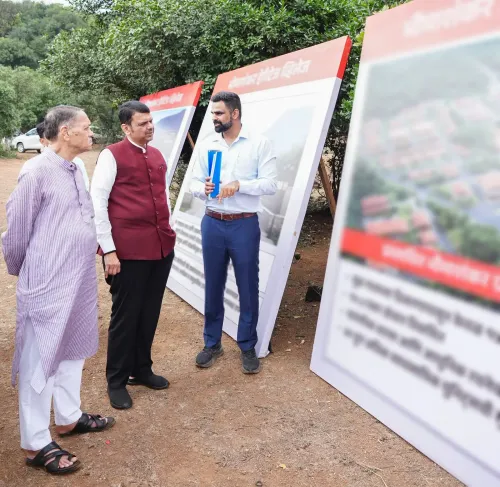
CM Fadnavis: Heritage Wadi to Preserve Bhimashankar's Cultural Legacy
Synopsis
Chief Minister Devendra Fadnavis has stated that a proposed 'Heritage Wadi' will conserve the cultural heritage of Bhimashankar, one of Maharashtra's twelve Jyotirlinga shrines. The announcement signals a heritage-led development push at the Pune district pilgrimage site.
Key Takeaways
CM Devendra Fadnavis announced that a Heritage Wadi initiative will preserve the cultural heritage of Bhimashankar , a Jyotirlinga shrine in Pune district .
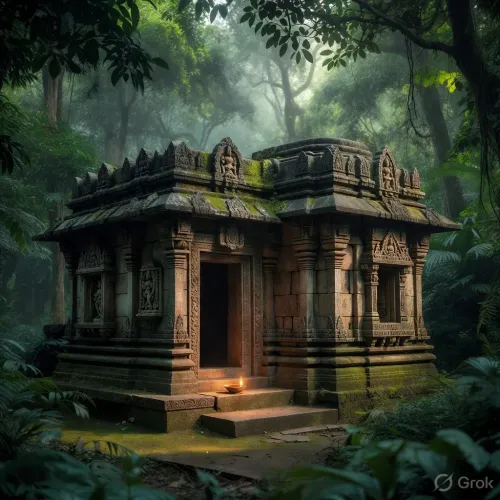
Bhimashankar is one of the twelve sacred Jyotirlinga shrines of Lord Shiva and lies within a protected wildlife sanctuary in the Sahyadri ranges.
The Heritage Wadi concept aims to conserve traditional settlement patterns and built heritage in the temple's immediate precinct.
Maharashtra governments have pursued heritage and infrastructure projects at Jyotirlinga sites since at least 2018 .
Stakeholders include the local temple community, residents of the traditional hamlet, pilgrims, and the broader religious-tourism ecosystem.
Detailed project scope, funding, and heritage by-laws for the Bhimashankar area are yet to be publicly notified.
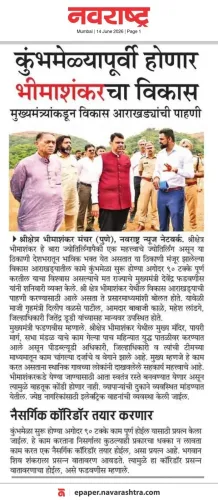
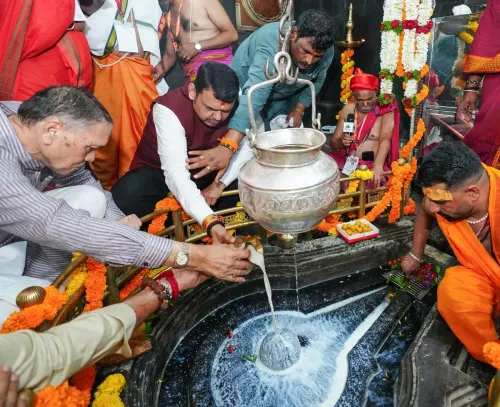
The Chief Minister's Office of Maharashtra on Sunday, June 14, 2026, shared a statement attributed to Chief Minister Devendra Fadnavis affirming that a proposed 'Heritage Wadi' initiative will help preserve the cultural heritage of Bhimashankar, one of the twelve sacred Jyotirlinga shrines of Lord Shiva located in Pune district, Maharashtra.
Context
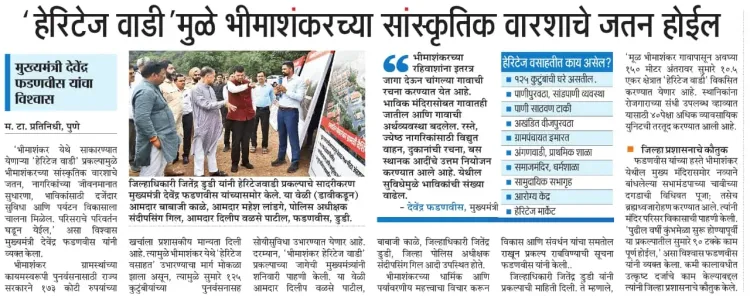
The post, in Marathi, quotes CM Fadnavis as saying: 'हेरिटेज वाडी मुळे भीमाशंकरच्या सांस्कृतिक वारशाचे जतन होईल' — meaning, 'The Heritage Wadi will enable the conservation of Bhimashankar's cultural heritage.' The statement signals the Maharashtra government's intent to formalise heritage-led development around the revered pilgrimage site, which draws lakhs of devotees annually and sits within a biodiversity-rich forest zone.
Policy Backdrop
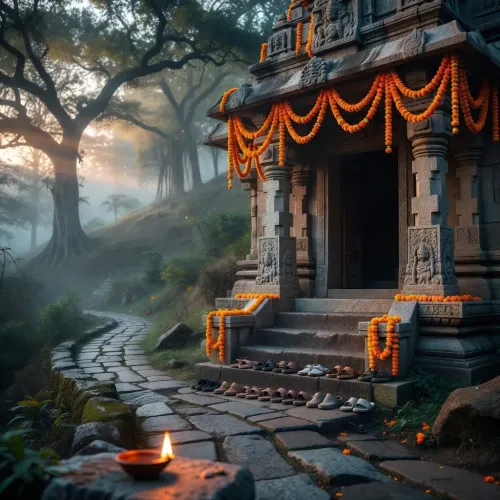
Bhimashankar is among the most significant religious and ecological landmarks in Maharashtra, situated in the Sahyadri ranges of Pune district and surrounded by a wildlife sanctuary. The Maharashtra government has, over successive administrations since 2018, pursued development and heritage conservation projects at Jyotirlinga sites, combining heritage zoning, traditional architecture guidelines, and pilgrim infrastructure upgrades. The 'Heritage Wadi' concept, as referenced in the post, appears to extend this policy lineage by focusing on conserving traditional settlement patterns and built heritage in the temple's immediate precinct. Such initiatives typically involve designating heritage zones, enforcing vernacular architecture norms, and upgrading civic amenities without disturbing the site's historic character.
Stakeholders and Impact
The primary beneficiaries of a Heritage Wadi at Bhimashankar would include the local temple community, resident families in the surrounding wadi (traditional hamlet), and the large pilgrim population that visits the shrine throughout the year. Heritage conservation projects at religious sites in Maharashtra have historically also generated local livelihoods through guided tourism, traditional crafts, and hospitality. At the same time, such projects require careful balancing with the environmental sensitivities of the Bhimashankar Wildlife Sanctuary, which is home to the endangered Indian Giant Squirrel and forms part of a critical forest corridor.
What's Next
The announcement raises expectations for a detailed project report, budgetary allocation in the state's upcoming financial planning, and any heritage by-laws or zoning notifications specific to the Bhimashankar area. Observers will watch whether the Heritage Wadi framework is extended to other Jyotirlinga sites in Maharashtra as part of a broader religious-tourism circuit. The initiative, if executed with community participation and environmental safeguards, could set a template for heritage-sensitive development at pilgrimage destinations across the state.
Point of View
A formula that has political resonance with both devout pilgrims and cultural-heritage advocates. By anchoring the initiative at Bhimashankar — a Jyotirlinga with pan-India religious significance — the government signals ambitions beyond local development, potentially positioning Maharashtra as a leader in temple-heritage tourism. However, the absence of a notified project document or budget line means the announcement remains aspirational until concrete institutional steps follow. The environmental dimension, given Bhimashankar's wildlife sanctuary status, will be the sharpest test of whether this initiative is substantive policy or symbolic messaging.
NationPress
13 Sept 2026
Frequently Asked Questions
What is Heritage Wadi at Bhimashankar?
Heritage Wadi is a proposed initiative announced by CM Devendra Fadnavis aimed at conserving the cultural heritage and traditional settlement character of the area around the Bhimashankar Jyotirlinga shrine in Pune district, Maharashtra. Detailed project specifics are yet to be publicly notified.
Where is Bhimashankar located?
Bhimashankar is located in the Sahyadri ranges of Pune district, Maharashtra . It is one of the twelve Jyotirlinga shrines of Lord Shiva and is surrounded by the Bhimashankar Wildlife Sanctuary.
What is a Jyotirlinga and why is Bhimashankar significant?
A Jyotirlinga is one of the twelve most sacred shrines of Lord Shiva in Hindu tradition. Bhimashankar is among these twelve and is a major pilgrimage destination in Maharashtra, drawing lakhs of devotees each year.
What does CM Fadnavis plan for Bhimashankar heritage conservation?
CM Devendra Fadnavis has stated that the Heritage Wadi initiative will preserve Bhimashankar's cultural heritage. The broader approach typically involves heritage zoning, traditional architecture guidelines, and pilgrim infrastructure upgrades, though a detailed project report is awaited.
Will the Heritage Wadi project affect Bhimashankar Wildlife Sanctuary?
The Bhimashankar Wildlife Sanctuary , home to the endangered Indian Giant Squirrel, surrounds the temple area. Any heritage development project will need to comply with environmental regulations governing the sanctuary, though specific safeguards under the Heritage Wadi plan have not yet been publicly detailed.