CM Fadnavis Highlights Bhimashankar During Shravan
Synopsis
Maharashtra CM Devendra Fadnavis invoked the sacred month of Shravan to spotlight Bhimashankar Jyotirlinga in Pune, urging youth to reconnect with the state's spiritual and cultural heritage under the #MaharashtrachiShivDhara campaign.
Key Takeaways
CM Devendra Fadnavis posted on August 13, 2026 , highlighting Bhimashankar Jyotirlinga in Pune district during the auspicious month of Shravan .
The post was part of the state campaign #MaharashtrachiShivDhara , linking spirituality, heritage, and youth engagement.
Bhimashankar is one of the twelve Jyotirlingas and is known for its Hemadpanthi temple architecture and surrounding wildlife sanctuary.
Maharashtra is home to five of the twelve Jyotirlingas in India, making it the single largest concentration in the country.
State tourism authorities have historically used the Shravan season to boost pilgrimage-circuit campaigns and visitor footfall at Jyotirlinga sites.
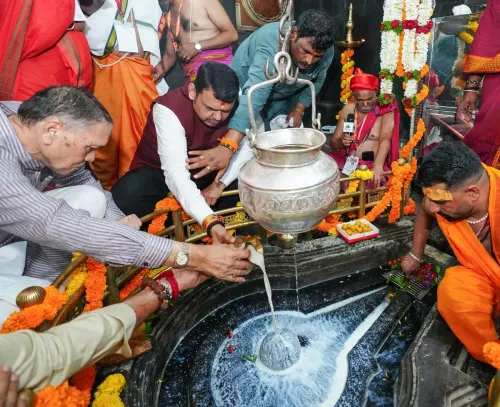
As the sacred month of Shravan 2026 draws pilgrims across Maharashtra, Maharashtra Chief Minister Devendra Fadnavis turned to social media on Thursday, August 13, 2026, to spotlight one of Hinduism's most revered shrines — the Bhimashankar Jyotirlinga in Pune district — framing its timeless heritage as a living bridge between the state's youth and its ancient roots.
Posting under the campaign hashtag #महाराष्ट्राची_शिवधारा ('Maharashtra's Shiv Stream'), Fadnavis described Bhimashankar as 'a sacred convergence of Maharashtra's rich culture, history, spirituality, and natural beauty.' His message was pointed: when young people reconnect with their cultural inheritance, that heritage survives.
Bhimashankar — Where Ancient Stone Meets Living Forest
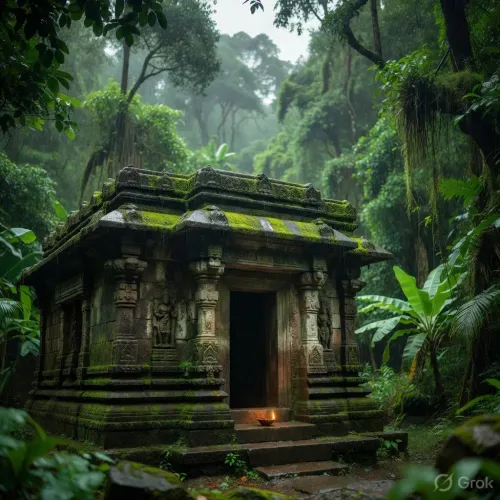
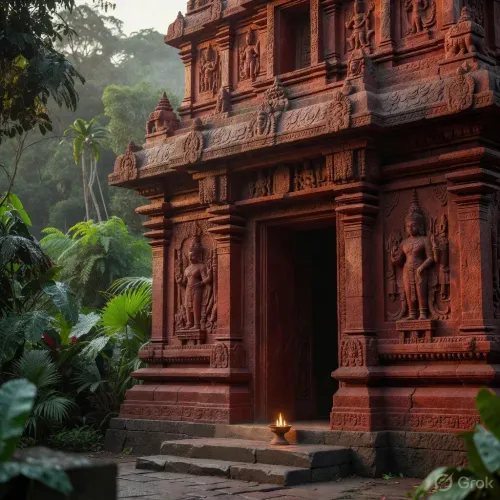
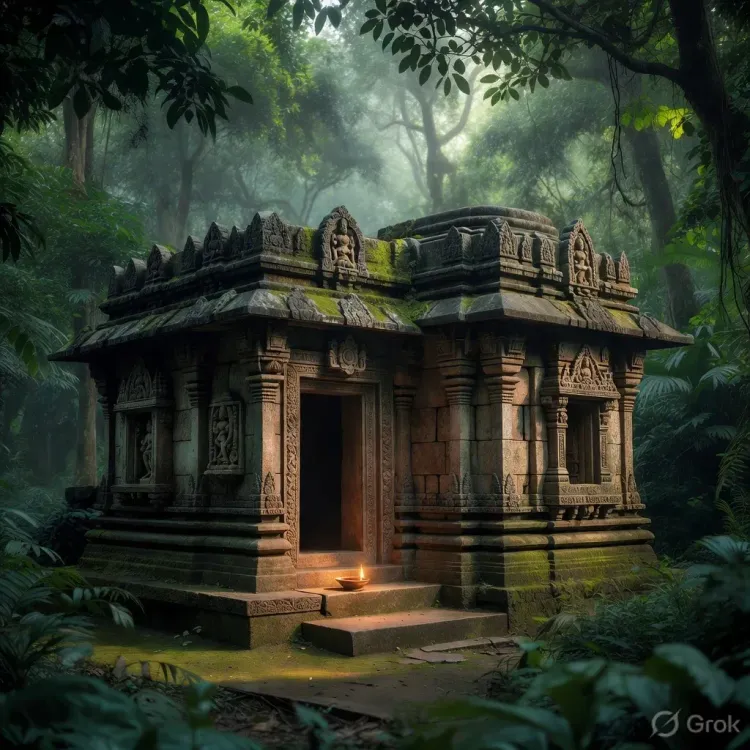
Bhimashankar is one of the twelve Jyotirlingas — the holiest shrines dedicated to Lord Shiva — recognised across India. Nestled in the Sahyadri hills of Pune district, the temple is celebrated for its Hemadpanthi architectural style, a medieval stone-craft tradition, and for its surrounding wildlife sanctuary, giving it a rare dual identity as both a pilgrimage site and an ecological landmark. The Bhima river originates near its precincts, lending the site both mythological and geographical significance.
Shravan, Shiva, and the State's Tourism Play
The timing of Fadnavis's post is deliberate. Shravan — the monsoon month considered most auspicious for Shiva worship — is the single busiest season for Maharashtra's Jyotirlinga circuit. State tourism authorities have previously run pilgrimage-circuit campaigns targeting this window, seeking to convert religious footfall into measurable economic activity for local communities around these shrines.
The #MaharashtrachiShivDhara campaign fits this pattern squarely. By amplifying Bhimashankar's spiritual and aesthetic identity through the Chief Minister's own platform, the state signals a top-down push to sustain — and grow — interest in its religious heritage sites, particularly among younger audiences who consume culture digitally before they visit in person.
Maharashtra is home to five of the twelve Jyotirlingas found across India — a concentration unmatched by any other state — making the Jyotirlinga circuit a cornerstone of its religious tourism identity. Bhimashankar, Trimbakeshwar, Ghrishneshwar, Aundha Nagnath, and Parli Vaijnath together form a pilgrimage arc that tourism planners have long sought to develop with better connectivity and visitor infrastructure.
Whether Shravan 2026 brings fresh infrastructure or conservation announcements for Bhimashankar remains to be seen — but the Chief Minister's post plants the flag early in the season, setting the cultural tone for what Maharashtra wants its youth to carry forward.
Point of View
Timed to Shravan's peak, positions the BJP-led state government as a custodian of Maharashtra's spiritual legacy ahead of any potential policy announcements on pilgrimage infrastructure. With five Jyotirlingas within its borders, Maharashtra has a structurally strong case for religious tourism investment, and the Chief Minister's personal amplification elevates that pitch beyond routine departmental messaging. The real test will be whether the campaign translates into concrete upgrades — connectivity, conservation, visitor facilities — at sites like Bhimashankar.
NationPress
27 Sept 2026
Frequently Asked Questions
Where is Bhimashankar Jyotirlinga located?
Bhimashankar Jyotirlinga is located in the Sahyadri hills of Pune district , Maharashtra. It is one of the twelve Jyotirlingas dedicated to Lord Shiva and sits within a wildlife sanctuary, making it both a major pilgrimage site and an ecological landmark.
What is the #MaharashtrachiShivDhara campaign?
#MaharashtrachiShivDhara, meaning 'Maharashtra's Shiv Stream,' is a social media campaign promoted by the Maharashtra government to highlight the state's Shiva temples, Jyotirlinga sites, and associated spiritual heritage, particularly during the auspicious month of Shravan.
How many Jyotirlingas are in Maharashtra?
Maharashtra is home to five of the twelve Jyotirlingas in India — Bhimashankar, Trimbakeshwar, Ghrishneshwar, Aundha Nagnath, and Parli Vaijnath — the highest concentration of Jyotirlingas in any single Indian state.
Why is Shravan significant for Bhimashankar temple?
Shravan is the monsoon month considered most auspicious for the worship of Lord Shiva in Hindu tradition. During this period, pilgrim footfall at Jyotirlinga temples like Bhimashankar surges significantly, making it the busiest season for Maharashtra's pilgrimage circuit.
What is the architectural style of Bhimashankar temple?
The Bhimashankar temple is built in the Hemadpanthi style , a medieval stone-craft architectural tradition associated with the Yadava-era minister Hemadpant, characterised by intricate carvings and the use of locally sourced black stone.