CM Fadnavis Spotlights Marleshwar Temple in Shravan Push
Synopsis
CM Devendra Fadnavis promoted the ancient Marleshwar Shiva Temple in Ratnagiri on 21 August 2026, invoking the #MaharashtrachiShivDhara campaign during Shravan to urge Maharashtra's youth to reconnect with the state's religious and architectural heritage.
Key Takeaways
CM Devendra Fadnavis posted about the Marleshwar Shiva Temple in Ratnagiri on 21 August 2026 .
The post is part of the #MaharashtrachiShivDhara series spotlighting Shiva temples across Maharashtra.
The campaign is timed to Shravan 2026 , the Hindu month that drives peak temple footfall.
Fadnavis explicitly linked youth engagement to the long-term preservation of religious and historical heritage.
Maharashtra Tourism stands to benefit as Ratnagiri's temple and natural landscape attract domestic pilgrimage visitors.
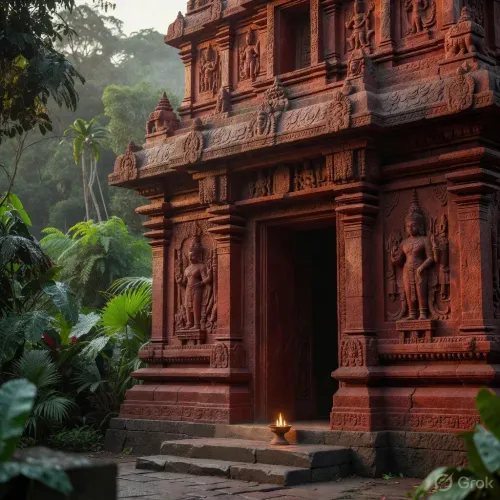
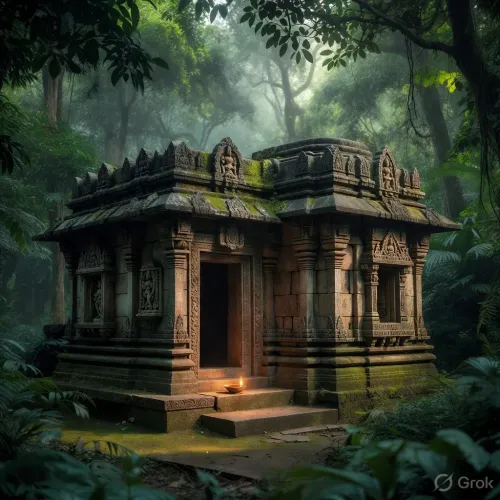
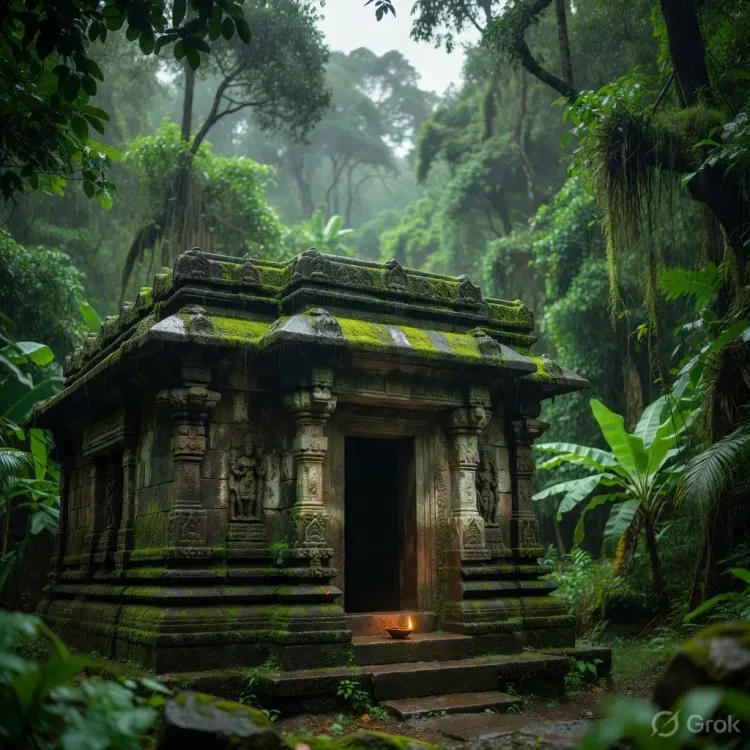
Nestled in the forested hills of Ratnagiri district, the ancient Marleshwar Shiva Temple rarely makes national headlines — but Maharashtra Chief Minister Devendra Fadnavis wants that to change. On Friday, 21 August 2026, he turned his social media platform toward this centuries-old shrine, framing it not just as a pilgrimage site but as a living argument for why the state's youth must stay rooted in their cultural inheritance.
Posting under the banner महाराष्ट्राची शिवधारा ('Maharashtra's Shiva Stream'), Fadnavis wrote: 'Our cultural and architectural splendour — the ancient Marleshwar Shiva Temple in nature-adorned Ratnagiri. When youth connect with their culture, this religious and historical heritage will be preserved.'
Marleshwar's quiet grandeur, suddenly in the spotlight
The Marleshwar Shiva Temple sits amid dense greenery in Ratnagiri, Maharashtra's coastal Konkan district — a region better known for its Alphonso mangoes than its temple circuits. The shrine is regarded locally as an example of traditional Maharashtrian religious architecture, its setting shaped by waterfalls and forest cover that deepen the devotional atmosphere, particularly during the monsoon.
Fadnavis's post is tagged #Shravan2026, timing the outreach to the sacred Hindu month of Shravan — a period when Shiva temples across Maharashtra see their highest footfall. The alignment is deliberate: Shravan is when cultural messaging about heritage sites lands with the widest audience.
Youth, heritage, and the state's cultural messaging strategy
The #MaharashtrachiShivDhara hashtag signals a broader, serialised effort by the state government to profile Shiva temples across Maharashtra on social media. Maharashtra governments have periodically run such campaigns to link heritage conservation with tourism development — spotlighting lesser-visited shrines alongside marquee sites.
The explicit focus on youth is the sharper edge here. Fadnavis frames preservation not as a government responsibility alone but as a generational compact: when young Maharashtrians feel a personal connection to these sites, the argument goes, the heritage sustains itself. It is a soft-power argument dressed in devotional language, and it is increasingly common in state cultural policy across India.
Maharashtra Tourism, the state department that promotes such heritage destinations, stands to benefit directly — Ratnagiri's temple and natural landscape offer a ready-made circuit for domestic pilgrimage tourism, especially as the Konkan region builds out road and rail connectivity.
Whether the Shivdhara series translates into concrete visitor infrastructure — better access roads, signage, accommodation near Marleshwar — will be the real test of intent when the Maharashtra assembly takes up its next budget session.
Point of View
Especially during religiously significant periods like Shravan. The youth-preservation framing is politically astute — it sidesteps the temple-politics controversy by casting heritage as a generational responsibility rather than a partisan claim. The real policy signal to watch is whether this digital spotlight converts into budgetary line items for Ratnagiri's temple infrastructure in the next Maharashtra assembly session.
NationPress
6 Oct 2026
Frequently Asked Questions
Where is the Marleshwar Shiva Temple located?
The Marleshwar Shiva Temple is located in Ratnagiri district in Maharashtra's Konkan region, set amid forested hills and natural surroundings.
What is the #MaharashtrachiShivDhara campaign?
#MaharashtrachiShivDhara ('Maharashtra's Shiva Stream') is a social media series by the Maharashtra government spotlighting ancient Shiva temples across the state to promote cultural heritage and tourism.
Why did CM Fadnavis post about Marleshwar Temple in August 2026?
The post coincides with Shravan 2026 , the sacred Hindu month when Shiva temples see their highest visitor numbers, making it an opportune moment for heritage outreach.
What is Shravan and why is it significant for Shiva temples?
Shravan is a month in the Hindu calendar considered especially sacred to Lord Shiva. Devotees visit Shiva temples in large numbers during this period, making it the peak pilgrimage season.
How does the Marleshwar campaign connect to Maharashtra Tourism?
Maharashtra Tourism promotes heritage and pilgrimage destinations across the state. Spotlighting Marleshwar Temple aligns with efforts to develop Ratnagiri as a domestic pilgrimage and eco-tourism destination.