CM Fadnavis Launches 'Maharashtrachi Shivdhara' for Shravan 2026

Synopsis
Maharashtra CM Devendra Fadnavis launched the 'Maharashtrachi Shivdhara' initiative for Shravan 2026, spotlighting the state's ancient Shiva temples, Jyotirlingas, and their historical and architectural heritage to boost cultural and pilgrimage tourism.
Key Takeaways
CM Devendra Fadnavis promoted the 'Maharashtrachi Shivdhara' initiative on August 14, 2026 , timed to the sacred month of Shravan .
Maharashtra hosts five of India's twelve Jyotirlingas — the highest concentration in any single state.
The campaign highlights ancient Shiva temples' historical, cultural, and architectural heritage alongside their spiritual significance.
Shravan is the peak pilgrimage season for Shiva devotees, driving significant visitor footfall to Maharashtra's shrine circuit.
Rollout details and visitor statistics for the Shivdhara campaign during Shravan 2026 are yet to be officially released.
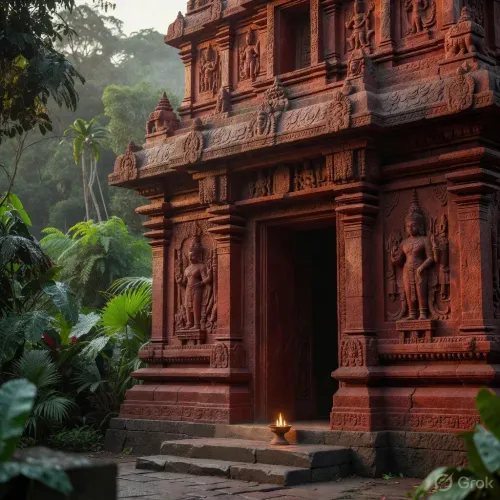
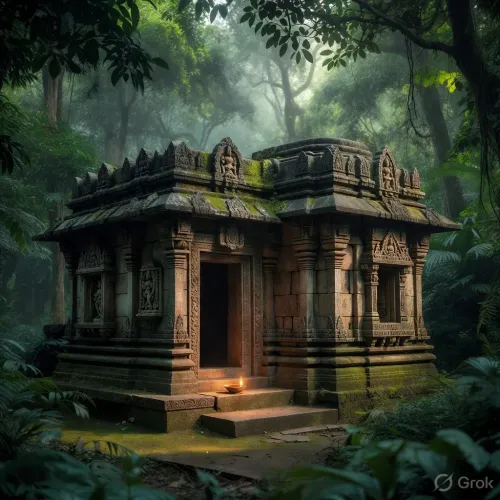
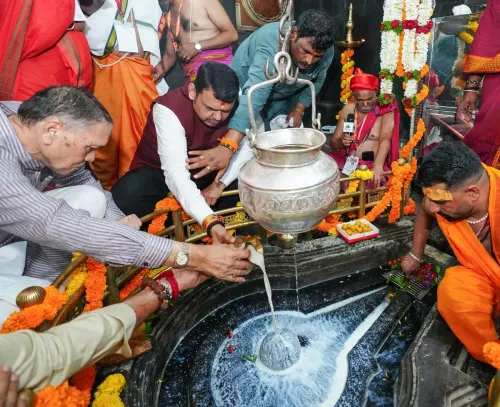
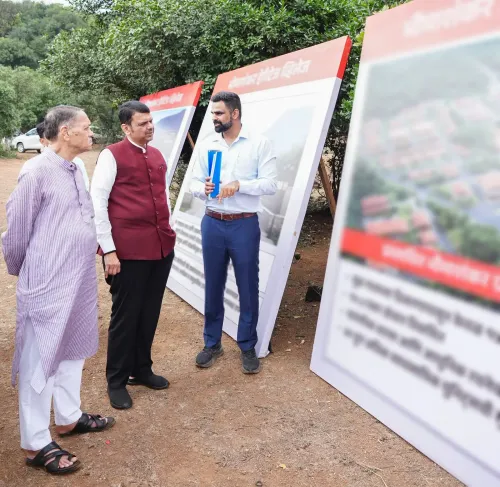
As the sacred month of Shravan 2026 begins, Maharashtra Chief Minister Devendra Fadnavis has invited citizens and pilgrims to explore the state's ancient Shiva temples and Jyotirlingas through a dedicated cultural initiative — 'Maharashtrachi Shivdhara' — celebrating the rich historical, architectural, and spiritual heritage of Maharashtra's most revered shrines.
Posting on Friday, August 14, 2026, Fadnavis wrote in Marathi: 'पवित्र श्रावण महिन्यानिमित्त...' — 'On the occasion of the holy month of Shravan, let us explore Maharashtra's ancient Shiva temples, Jyotirlingas, and their rich historical, cultural, and architectural heritage through Maharashtrachi Shivdhara.' The post was accompanied by a video, framing the campaign as both a spiritual invitation and a cultural showcase.
Maharashtra's Jyotirlinga Belt and the Shravan Season
Maharashtra is home to five of India's twelve sacred Jyotirlingas — Trimbakeshwar near Nashik, Bhimashankar in Pune district, Grishneshwar near Aurangabad, Aundha Nagnath in Hingoli, and Parli Vaijnath in Beed — making it the single largest concentration of Jyotirlinga shrines in the country. Shravan, the lunar month dedicated to Lord Shiva, draws millions of pilgrims to these sites annually, turning the season into one of the most significant windows for heritage tourism in the state.
State governments across India have long used major religious festivals to spotlight local temples and amplify visitor footfall. Maharashtra's tourism ecosystem — spanning ancient cave temples, Hemadpanthi stone shrines, and Yadava-era architecture — offers a layered canvas well beyond the Jyotirlingas alone.
Shivdhara as a Cultural-Tourism Frame
The Maharashtrachi Shivdhara initiative positions itself at the intersection of pilgrimage and heritage discovery, spotlighting not just the spiritual significance of these temples but their architectural and historical depth. For a state whose ancient temple-building traditions span the Rashtrakuta, Yadava, and Maratha periods, the campaign draws on centuries of stone craft and iconography.
The rollout of visitor statistics and specific programming details for Shravan 2026 will determine how far the initiative extends beyond social media amplification into on-ground tourism infrastructure — a metric worth watching as the month unfolds.
Point of View
The campaign is also a soft-power play for Maharashtra tourism, positioning the state's Jyotirlinga belt as a national-scale spiritual destination. The real test will be whether Shivdhara generates measurable on-ground infrastructure or remains a social-media amplification exercise. Either way, it signals that the CM intends to make cultural heritage a recurring pillar of his administration's public communication.
NationPress
29 Sept 2026
Frequently Asked Questions
What is Maharashtrachi Shivdhara?
'Maharashtrachi Shivdhara' is a Maharashtra state initiative promoted by CM Devendra Fadnavis that highlights the state's ancient Shiva temples, Jyotirlingas, and their historical, cultural, and architectural heritage, particularly during the Shravan season.
Which Jyotirlingas are located in Maharashtra?
Maharashtra is home to five Jyotirlingas: Trimbakeshwar (Nashik), Bhimashankar (Pune district), Grishneshwar (near Aurangabad), Aundha Nagnath (Hingoli), and Parli Vaijnath (Beed) — the largest concentration in any Indian state.
Why is Shravan significant for Shiva pilgrimage in Maharashtra?
Shravan is the Hindu lunar month dedicated to Lord Shiva, during which millions of pilgrims visit Shiva temples and Jyotirlingas across Maharashtra, making it the peak season for religious tourism in the state.
When did CM Fadnavis announce the Shivdhara campaign?
CM Devendra Fadnavis posted about the Maharashtrachi Shivdhara initiative on August 14, 2026, at the onset of Shravan 2026.
How does Maharashtrachi Shivdhara connect to Maharashtra tourism?
The initiative positions Maharashtra's ancient Shiva temples and Jyotirlingas as heritage tourism destinations, aiming to boost pilgrim footfall and spotlight the state's architectural and cultural legacy during the Shravan season.