CM Fadnavis to develop Bhimashankar before Kumbh Mela

Synopsis
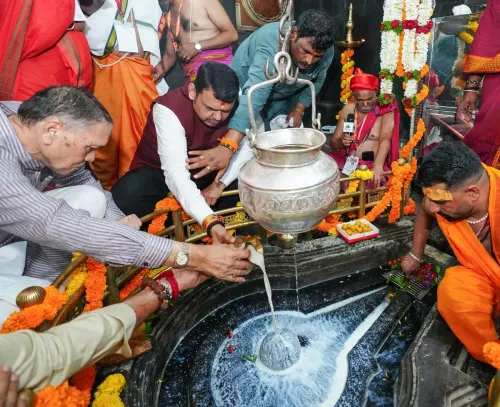
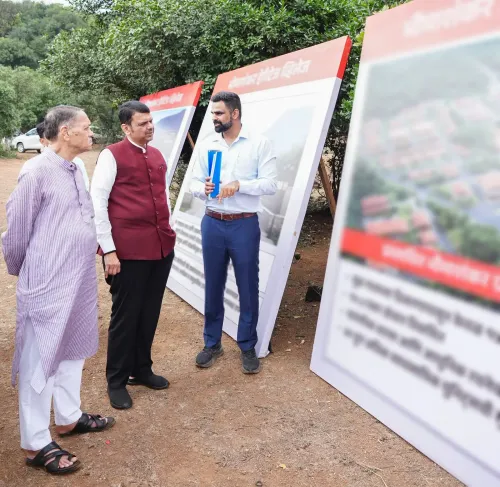
The Chief Minister's Office of Maharashtra announced on 14 June 2026 that Shri Kshetra Bhimashankar, a Jyotirlinga shrine in Pune district, will be developed ahead of the Kumbh Mela. CM Devendra Fadnavis is backing the teerth kshetra upgrade to improve pilgrim infrastructure before the large-scale religious gathering.
Key Takeaways
The Chief Minister's Office of Maharashtra announced on 14 June 2026 that Shri Kshetra Bhimashankar will be developed before the Kumbh Mela .
Bhimashankar is one of India's twelve Jyotirlinga temples and is located in Pune district, Maharashtra .
The initiative is tagged to Chief Minister Devendra Fadnavis and framed as a teerth kshetra development project.
Maharashtra has a pattern of upgrading pilgrimage infrastructure — roads, sanitation, amenities — ahead of Kumbh Mela cycles, particularly around the Nashik Simhastha .
The site lies within the Bhimashankar Wildlife Sanctuary , making environmental clearances a key procedural step.
Local pilgrims, tourism businesses and district administration bodies in the Bhimashankar-Khed belt are the primary stakeholders.
The Chief Minister's Office of Maharashtra announced on Sunday, 14 June 2026 that Shri Kshetra Bhimashankar, one of India's twelve Jyotirlinga shrines, will undergo development works ahead of the upcoming Kumbh Mela. The post, attributed to Chief Minister Devendra Fadnavis, signals a state-backed push to upgrade infrastructure at the revered Pune district pilgrimage site before the large-scale religious gathering draws millions of devotees.
Context
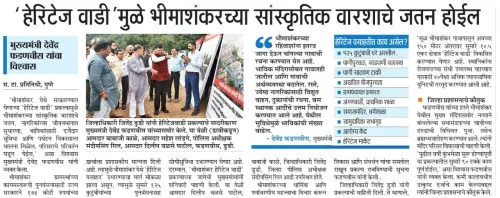
The CMO's announcement, posted in Marathi, states: 'Kumbhamelya purvi honar Shri Kshetra Bhimashankracha vikas' — 'Development of Shri Kshetra Bhimashankar will take place before the Kumbh Mela.' The post directly tags Chief Minister Devendra Fadnavis and carries hashtags #TeerthKshetra and #Bhimashankar, underscoring the government's intent to frame this as a teerth kshetra (pilgrimage site) development initiative.
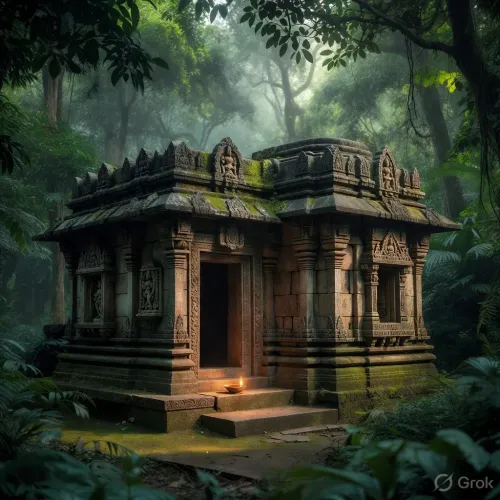
Bhimashankar, nestled in the Sahyadri hills of Pune district, is among the most visited Jyotirlinga temples in the country and also sits within a wildlife sanctuary, making any infrastructure expansion a matter of both religious significance and ecological sensitivity.
Policy Backdrop
Maharashtra governments have a documented pattern of linking temple-area upgrades — covering roads, sanitation, crowd-management facilities and pilgrim amenities — to the cyclical Kumbh Mela held at Nashik (Simhastha) and other sacred sites. The Nashik Simhastha Kumbh, which draws tens of millions of pilgrims, has historically triggered substantial state spending on approach roads, ghats and civic infrastructure across the wider region.
This approach mirrors earlier preparatory works undertaken at other Jyotirlinga sites and at Nashik itself during previous Kumbh cycles. Such projects typically draw on combined allocations from the state's tourism, public works and district administration budgets, and are often fast-tracked through special project committees ahead of pilgrimage deadlines.
Under Chief Minister Fadnavis, the Maharashtra government has continued to prioritise religious tourism as a component of the state's broader tourism and rural-economy agenda, with teerth kshetra corridors featuring in successive budget announcements.
Stakeholders and Impact
The primary beneficiaries of the proposed development are the lakhs of pilgrims who visit Bhimashankar annually, a number that surges sharply in Kumbh Mela years. Improved access roads, sanitation blocks, parking facilities and pilgrim rest shelters directly affect the quality and safety of the pilgrimage experience.
Local tourism businesses — hotels, transport operators, prasad vendors and artisans in the Bhimashankar-Khed belt — stand to gain from higher footfall and better-organised visitor flows. District and gram panchayat bodies in Pune district will likely be co-implementing agencies for on-ground works.
Environmental stakeholders will watch closely, given that Bhimashankar falls within the Bhimashankar Wildlife Sanctuary, home to the endangered Indian giant squirrel. Any construction activity near the sanctuary buffer zone will require regulatory clearances.
What's Next
The immediate focus will be on tendering and the commencement of physical works at the site, with the Kumbh Mela timeline serving as a hard deadline for completion. Observers will track whether supplementary allocations for the project appear in the next state budget or during the monsoon session of the Maharashtra legislature.
Progress on environmental clearances, scope of civil works and any newly constituted project oversight committees will be key indicators of how quickly the administration moves from announcement to execution. The Bhimashankar development initiative is likely to serve as a template for similar pre-Kumbh upgrades at other pilgrimage nodes across Maharashtra.
Point of View
The post signals personal political ownership of the project — a common device to ensure departmental accountability. The framing as a 'development' initiative, rather than a purely religious one, also allows the state to draw on tourism and public works budgets simultaneously. Whether the announcement translates into tendered, time-bound works before the Kumbh deadline will be the real test of intent.
NationPress
13 Sept 2026
Frequently Asked Questions
What is the Bhimashankar development announced by Maharashtra CM?
The Chief Minister's Office of Maharashtra announced on 14 June 2026 that Shri Kshetra Bhimashankar, a Jyotirlinga temple in Pune district, will undergo development works ahead of the Kumbh Mela. The project is expected to cover pilgrim infrastructure such as roads, sanitation and amenities.
Where is Bhimashankar temple located?
Bhimashankar is located in the Sahyadri hills of Pune district in Maharashtra. It is one of the twelve Jyotirlinga shrines of Lord Shiva and also sits within the Bhimashankar Wildlife Sanctuary.
Why is Bhimashankar being developed before the Kumbh Mela?
Maharashtra governments have historically fast-tracked temple-area infrastructure upgrades ahead of the Kumbh Mela to manage large pilgrim crowds and promote religious tourism. The Kumbh Mela deadline provides a firm timeline for completing the works.
Who is overseeing the Bhimashankar teerth kshetra development?
Chief Minister Devendra Fadnavis is the political face of the initiative, as indicated by the CMO's post tagging him directly. On-ground implementation is expected to involve the state's tourism, public works and Pune district administration departments.
Will the Bhimashankar Wildlife Sanctuary be affected by the development?
Bhimashankar temple sits within the Bhimashankar Wildlife Sanctuary, home to the endangered Indian giant squirrel. Any construction activity near the sanctuary buffer zone will require environmental regulatory clearances, which will be a key procedural step for the project.