CM Fadnavis Pledges Eco-Friendly Bhimashankar Corridor

Synopsis
Maharashtra CM Devendra Fadnavis pledged on 13 June 2026 that the Shri Kshetra Bhimashankar Corridor in Pune district will be built in harmony with nature, without damaging biodiversity — balancing pilgrimage infrastructure with the ecological sensitivity of the Western Ghats.
Key Takeaways
CM Devendra Fadnavis announced the Shri Kshetra Bhimashankar Corridor on 13 June 2026 from Pune .
The corridor will be built 'in tune with nature' with an explicit commitment of zero harm to biodiversity .
Bhimashankar is one of the twelve Jyotirlinga temples and a major pilgrimage destination in Pune district .
The Bhimashankar Wildlife Sanctuary , notified in 1987 , places strict legal obligations on infrastructure development in the region.
Environmental impact assessments and forest department clearances will be required before construction proceeds.
Key stakeholders include pilgrims, local forest-dependent communities, and environmental groups monitoring the Western Ghats.
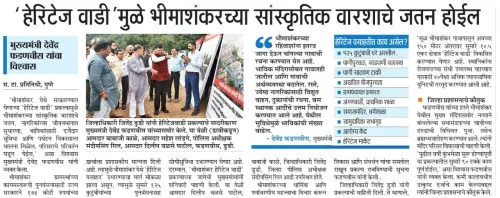
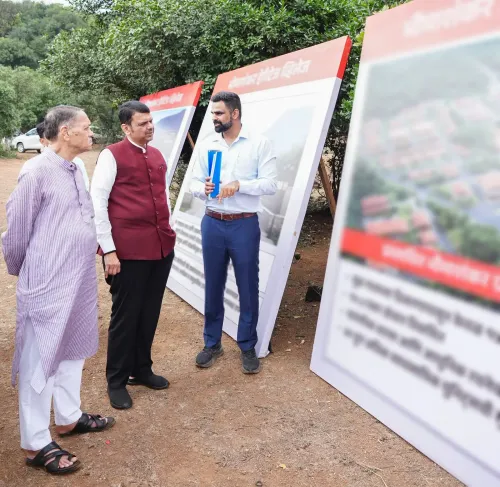
Maharashtra Chief Minister Devendra Fadnavis announced on Saturday, 13 June 2026 that the Shri Kshetra Bhimashankar Corridor will be developed in harmony with nature, with an explicit commitment that the project will cause no harm to the region's biodiversity. The announcement, made from Pune, signals the state government's intent to balance religious tourism infrastructure with ecological responsibility in one of Maharashtra's most sensitive forest zones.
Context
In his post, Fadnavis stated in both Marathi and Hindi: 'जैवविविधतेला कोणताही धक्का न लागता निसर्गाशी सुसंगत असा श्री क्षेत्र भीमाशंकर कॉरिडोर उभारण्यात येईल' — 'The Shri Kshetra Bhimashankar Corridor will be built in tune with nature, without causing any damage to biodiversity.' The bilingual framing in Marathi and Hindi underscores the political significance the government attaches to the project, addressing both local Maharashtrian sentiment and a broader national audience of pilgrims.
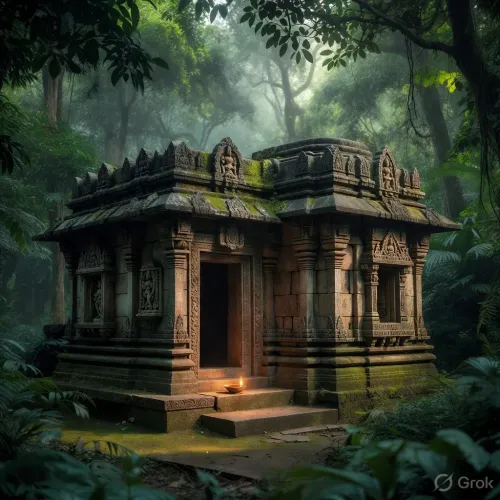
Bhimashankar, located in Pune district, is one of the twelve revered Jyotirlinga shrines and draws pilgrims from across India year-round. The temple sits within or adjacent to the Bhimashankar Wildlife Sanctuary, a protected area notified in 1987 to conserve the unique flora and fauna of the Western Ghats, a globally recognised biodiversity hotspot.
Policy Backdrop
The announcement fits a broader pattern across Indian states of developing religious tourism corridors in ecologically sensitive zones — projects that require careful coordination between state tourism, forest, and public works departments. Maharashtra governments have previously linked temple development initiatives with environmental compliance requirements, reflecting the legal and reputational risks of construction near protected areas.
The Bhimashankar Wildlife Sanctuary, notified in 1987, places strict legal obligations on any infrastructure development within or near its boundaries. Any corridor project would typically require an environmental impact assessment and clearances from forest and wildlife authorities before construction can begin. Fadnavis's explicit biodiversity pledge appears designed to pre-empt concerns from environmental groups and to signal that the government will pursue due process.
Stakeholders and Impact
The project, if executed as described, stands to benefit the large community of pilgrims who visit Bhimashankar annually, improving access and amenities at one of Hinduism's most sacred Jyotirlinga sites. Local communities in the Pune district's forest belt — many of whom depend on the sanctuary's ecosystem — will be watching closely to ensure that the 'nature-compatible' commitment translates into enforceable project conditions.
Environmental groups are likely to scrutinise the corridor's design, given that the Western Ghats region is home to several endemic and endangered species. The Chief Minister's assurance of zero biodiversity damage sets a public benchmark against which the project's environmental impact assessment and final design will be measured.
What's Next
The immediate next steps will involve the release of detailed project plans, environmental impact assessment findings, and budget provisions — potentially in upcoming Maharashtra legislative sessions. Coordination between the state's tourism, forest, and public works departments will be critical to translating the CM's commitment into a project design that satisfies both pilgrimage infrastructure needs and wildlife protection norms. How the government navigates regulatory clearances near the protected sanctuary will set a precedent for similar corridor projects across ecologically sensitive pilgrimage sites in the state.
Point of View
Biodiversity-first framing of the Bhimashankar Corridor is a calculated move — it simultaneously appeals to the BJP's Hindu pilgrimage infrastructure agenda and neutralises the environmental opposition that has stalled similar projects in ecologically sensitive zones. By publicly setting a 'zero biodiversity damage' benchmark before any environmental clearance is obtained, the Chief Minister shifts the burden of proof onto critics while giving the government political cover if the project is later scaled back on ecological grounds. This mirrors a broader national trend of state governments using high-profile social media announcements to frame religious tourism corridors as development wins, with environmental compliance positioned as a feature rather than a constraint. The real test will come when detailed project designs and impact assessments enter the public domain.
NationPress
13 Sept 2026
Frequently Asked Questions
What is the Bhimashankar Corridor announced by CM Fadnavis?
The Shri Kshetra Bhimashankar Corridor is a planned infrastructure project to improve pilgrimage access to the Bhimashankar Jyotirlinga temple in Pune district, Maharashtra. CM Devendra Fadnavis announced on 13 June 2026 that it will be built in harmony with nature and without harming biodiversity.
Where is Bhimashankar located and why is it significant?
Bhimashankar is located in Pune district, Maharashtra, in the Western Ghats. It is one of the twelve sacred Jyotirlinga shrines of Lord Shiva and is surrounded by the Bhimashankar Wildlife Sanctuary, a protected forest area notified in 1987.
Will the Bhimashankar Corridor affect the wildlife sanctuary?
CM Fadnavis has explicitly pledged that the corridor will cause no damage to biodiversity. However, any construction near the Bhimashankar Wildlife Sanctuary will require environmental impact assessments and clearances from forest and wildlife authorities under Indian law.
What is the Bhimashankar Wildlife Sanctuary?
The Bhimashankar Wildlife Sanctuary is a protected area in Pune district, Maharashtra, notified in 1987 to conserve the unique flora and fauna of the Western Ghats, a globally recognised biodiversity hotspot.
What are the next steps for the Bhimashankar Corridor project?
The project will require detailed design plans, environmental impact assessments, and budget provisions, likely to be taken up in upcoming Maharashtra legislative sessions. Coordination between state tourism, forest, and public works departments will be essential before construction begins.