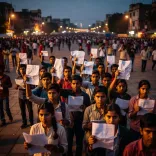
Maharashtra scraps Adivasi hostel age limit amid student hunger strike
Synopsis
Maharashtra's Tribal Development Minister scrapped the age cap on Adivasi hostel admissions on 25 August 2026 — the third policy reversal in three weeks — yet protesting students refused to stand down, demanding better funding, safer infrastructure, and accountability for alleged pregnancy tests on women returnees. The standoff exposes deep, systemic failures in a hostel network housing 60,000 students.
Key Takeaways
Tribal Development Minister Ashok Uike on 25 August 2026 stayed the GR dated 14 August 2026 , removing the upper age limit on Adivasi hostel admissions entirely.
The crisis was triggered by a 5 August 2026 GR that introduced a 26-year age cap and banned students from hunger strikes — the first rule consolidation since November 2011 .
Maharashtra's Tribal Development Department runs 490 operational hostels housing 58,000–60,000 Scheduled Tribe students.
Rahul Gandhi wrote to CM Devendra Fadnavis and posted on X , citing pregnancy tests on women students and hostel deaths including from snake bites.
Students have refused to end their hunger strike , continuing to demand better financial support, improved infrastructure, and safety safeguards.
Maharashtra's Tribal Development Minister Ashok Uike on Tuesday, 25 August 2026, stayed the Government Resolution (GR) dated 14 August 2026, effectively removing the upper age restriction on admissions to state-run tribal hostels. The move comes as Adivasi students across Maharashtra continue a hunger strike over discriminatory hostel rules, safety failures, and inadequate living conditions.
What the Government Decided
'We have decided not to impose any age restriction after detailed deliberation on this issue,' Uike said after chairing a review meeting on hostel facilities, admission procedures, and management systems. The decision reverses a series of rule changes that had sparked widespread student outrage over the past three weeks.
Uike directed officials to formulate revised procedures covering admissions, facilities, administrative workflows, and inspection systems to ensure quality services and uniformity across the hostel network. He stressed a student-centric, transparent, and strengthened management framework to prevent inconvenience and foster a conducive academic environment.
How the Crisis Unfolded
The immediate trigger was a GR issued on 5 August 2026 — the first consolidation of hostel rules since November 2011. That order introduced a 26-year age cap on admissions, barred students from participating in hunger strikes or protest marches, required all complaints to be routed through hostel wardens and project officers, and imposed new restrictions that students described as punitive.
Students argued the age cap would exclude many pursuing higher education later in life. They also raised alarms over inadequate allowances and crumbling infrastructure. Protesters alleged that female students returning from prolonged leave were asked to undergo pregnancy and medical examinations — a charge that drew sharp national attention.
As protests intensified, the department issued a revised GR on 14 August 2026, raising the age limit to 30 years and withdrawing the ban on protests. Tuesday's decision goes further, scrapping the age ceiling entirely — restoring the pre-5 August position, when no upper age limit existed.
Scale of the Tribal Hostel System
The Tribal Development Department administers 494 sanctioned hostels for Scheduled Tribe students pursuing secondary, higher secondary, and college education. Of these, 490 are operational, housing approximately 58,000 to 60,000 students at any given time. The department had previously cited the Pandit Deendayal Upadhyay Swayam Yojana — a financial assistance scheme for students unable to secure hostel accommodation, which itself carries a 30-year age cap — as justification for the now-scrapped restriction.
Political Pressure and Rahul Gandhi's Intervention
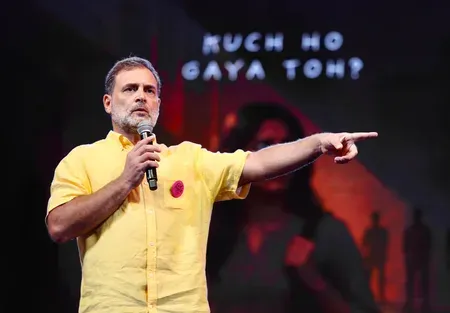
The agitation drew national political attention when Lok Sabha Leader of the Opposition Rahul Gandhi wrote to Maharashtra Chief Minister Devendra Fadnavis, raising concerns about the protests. In a post on X, Gandhi noted that tribal students had been on hunger strike for more than 10 days, demanding their rights.
Gandhi cited 'humiliating rules, unsafe facilities and inhuman provisions such as pregnancy checks for women,' and urged Fadnavis to meet the students personally to resolve their grievances. He also flagged instances of injuries and deaths in hostels, including fatalities reportedly caused by snake bites.
Students Hold Their Ground
Despite the government's partial concessions — withdrawing the age cap and the protest ban — students have refused to call off their agitation. Protesters continue to demand better financial support, improved infrastructure, and enforceable safeguards against unsafe conditions. The standoff signals that administrative rollbacks alone may not be sufficient to restore confidence in a hostel system that students say has long been neglected.
Point of View
Inadequate stipends, and zero accountability. The fact that students are still striking after the cap was removed tells you the government has addressed the symptom, not the disease. With 60,000 students housed in a system that reportedly saw deaths from snake bites, the real question is not about age limits but about whether tribal welfare spending is reaching hostels at all.
NationPress
9 Oct 2026
Frequently Asked Questions
Why did Maharashtra scrap the Adivasi hostel age limit?
Tribal Development Minister Ashok Uike removed the age restriction on 25 August 2026 following sustained protests and a hunger strike by Adivasi students opposing what they called discriminatory and punitive hostel rules. The decision reverses a series of GRs issued since 5 August 2026 that had imposed a 26-year cap, later revised to 30 years, before being scrapped entirely.
What rules triggered the Adivasi student protests in Maharashtra?
A Government Resolution dated 5 August 2026 consolidated hostel rules for the first time since November 2011, introducing a 26-year age cap on admissions, a ban on hunger strikes and protest marches, and a requirement to route all complaints through hostel wardens. Students also alleged that women returning from prolonged leave were subjected to pregnancy and medical tests.
Why are students still protesting despite the government's concessions?
Students have refused to call off their hunger strike because their demands go beyond the age cap. They are seeking better financial support, improved hostel infrastructure, and enforceable safeguards against unsafe conditions — including instances of injuries and deaths that protesters have linked to neglect.
How large is Maharashtra's tribal hostel network?
The Tribal Development Department has 494 sanctioned hostels for Scheduled Tribe students at secondary, higher secondary, and college levels. Of these, 490 are operational and house approximately 58,000 to 60,000 students.
What did Rahul Gandhi say about the tribal hostel protests?
Lok Sabha Leader of the Opposition Rahul Gandhi wrote to Maharashtra Chief Minister Devendra Fadnavis and posted on X, stating that tribal students had been on hunger strike for more than 10 days. He cited humiliating rules, unsafe facilities, alleged pregnancy checks on women, and hostel deaths — including fatalities from snake bites — and urged Fadnavis to personally meet the students.