Maharashtra to propose lowering juvenile age limit to 16, CM Fadnavis tells Assembly
Synopsis
Maharashtra CM Devendra Fadnavis has moved to rewrite the rules on juvenile crime — proposing to the Centre that the delinquent age threshold be dropped from 18 to 16. With criminal networks increasingly using minors as foot soldiers, and serious offences rising among under-16s, the state is also eyeing organised crime provisions against those who exploit children.
Key Takeaways
CM Devendra Fadnavis announced on 30 June that Maharashtra will send a proposal to the Centre to lower the juvenile delinquent age limit from 18 to 16 years .
A high-level committee will be set up to conduct a scientific analysis of juvenile delinquency trends in the state.
The government is considering invoking organised crime provisions against those who use minors to commit offences.
Special Juvenile Police Units are already operational under the Juvenile Justice Act, 2015 , running the 'CARE' programme statewide.
Separately, approximately ₹78 crore in Deendayal Antyodaya Yojana funds remains pending from the Centre, with Maharashtra pursuing recovery.
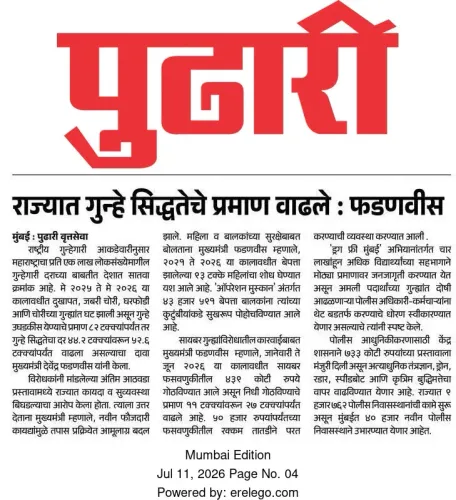
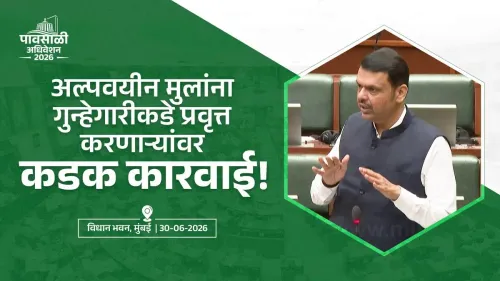
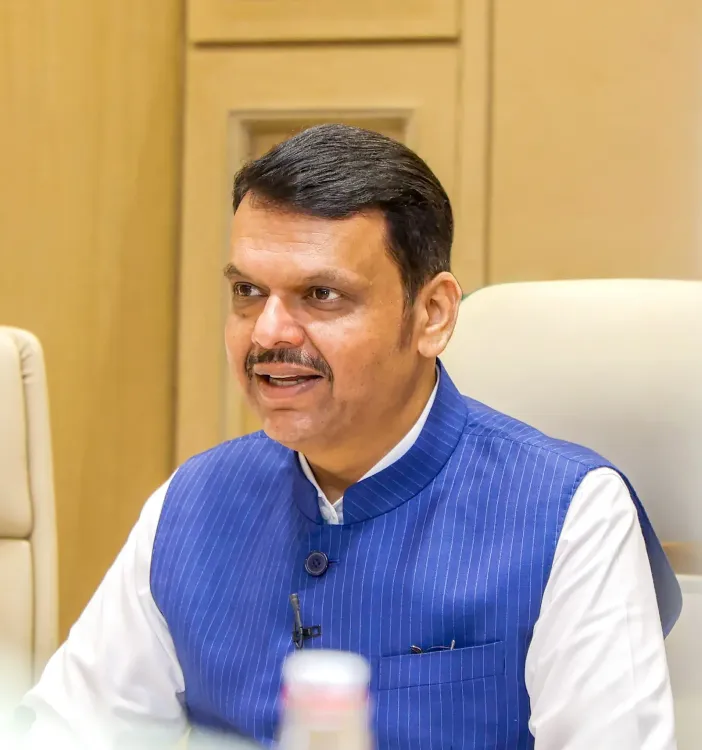
Chief Minister Devendra Fadnavis on Tuesday, 30 June told the Maharashtra Legislative Assembly that the state government will formally send a proposal to the Centre seeking to lower the age threshold for juvenile delinquents from 18 years to 16 years. The announcement came during a debate on rising juvenile crime and signals a significant shift in how Maharashtra intends to address the exploitation of minors in criminal networks.
What the Proposal Entails
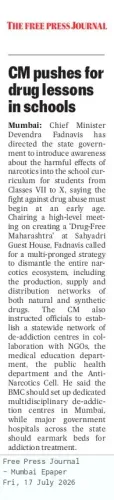
Fadnavis stated that necessary amendments to existing law will be pursued to ensure stricter action against individuals who exploit children for criminal activities, including drug distribution. A high-level committee will be appointed to conduct a scientific analysis of the growing trend of juvenile delinquency across the state.
The Chief Minister also indicated that the government is considering invoking strict provisions related to organised crime against gangs and individuals who use minors to execute offences — a move aimed at closing loopholes that currently shield adult orchestrators behind juvenile perpetrators.
The Trigger: Exploitation of Legal Protections
Fadnavis pointed out that certain criminal elements are deliberately exploiting a legal provision that mandates placing children in observation homes rather than arresting them. He noted that serious offences are increasingly being committed by children under the age of 16, making the current age threshold of 18 inadequate as a deterrent.
The debate was initiated by Arjun Khotkar, who raised concerns about the rising trend of juvenile delinquency specifically in Jalna district. Sudhir Mungantiwar participated with a supplementary question. Fadnavis separately clarified that a recent incident in Latur was a personal matter stemming from a family dispute, with juveniles involved already produced before the Juvenile Justice Board.
Preventive Measures Already Underway
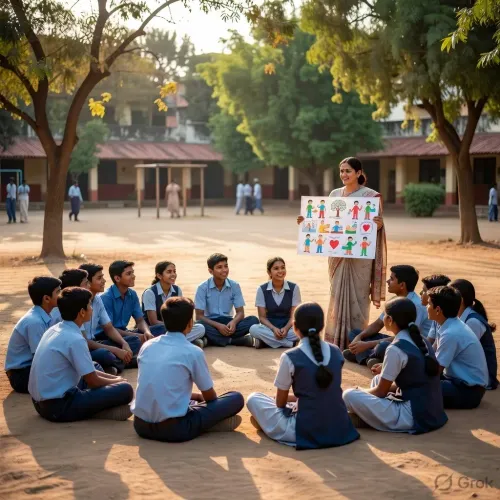
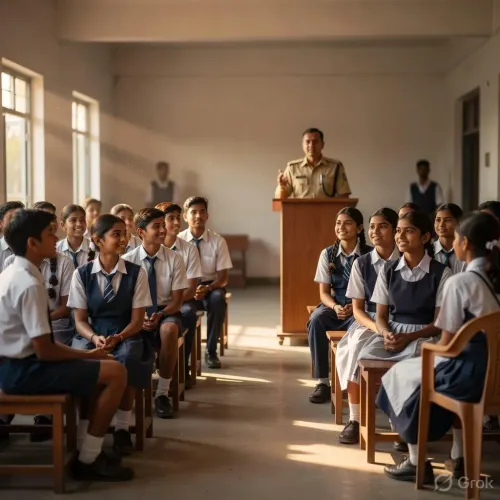
Minister of State Yogesh Kadam informed the Assembly that several preventive and rehabilitative measures are already being implemented statewide. Police regularly conduct awareness campaigns, counselling sessions, and guidance programmes on cyber security and de-addiction for students, parents, and teachers in schools and colleges.
Special Juvenile Police Units have been established across all police wings under the Juvenile Justice (Care and Protection of Children) Act, 2015. Through these units, the 'CARE' (Counselling and Reformative Education) programme is being implemented to reintegrate juveniles into the mainstream. Observation homes are also placing special emphasis on education, counselling, personality development, and rehabilitation.
Deendayal Antyodaya Yojana Funds Also Raised
In a separate matter during Question Hour in the Legislative Council, Minister Uday Samant stated that Maharashtra is continuously pursuing the Centre for approximately ₹78 crore in pending funds under the Deendayal Antyodaya Yojana — a scheme for poor, homeless, and extremely needy families in urban areas with populations exceeding one lakh.
The scheme follows a 60:40 funding split between the Centre and the state. Samant said a fresh demand will be placed before the Central Government, and the state is also examining whether its 40 per cent share can be released ahead of receiving the Centre's allocation. The issue was raised by member Hemant Patil, with Pravin Darekar and Abhijeet Vanjari raising supplementary questions.
With the proposal now set to be formally submitted to New Delhi, the outcome will depend on whether the Centre agrees to amend the Juvenile Justice Act — a move that is likely to draw both legal scrutiny and public debate.
Point of View
Under-resourced backgrounds. Stricter prosecution without parallel investment in prevention risks criminalising poverty. The high-level committee's 'scientific analysis' will be the real test of whether this is a policy response or a political signal.
NationPress
29 Sept 2026
Frequently Asked Questions
What is Maharashtra's proposal on the juvenile delinquent age limit?
Maharashtra plans to send a formal proposal to the Centre to lower the age threshold for juvenile delinquents from 18 years to 16 years. Chief Minister Devendra Fadnavis announced this in the Legislative Assembly on 30 June, citing rising serious offences committed by under-16s and exploitation of minors by criminal networks.
Why is Maharashtra seeking to lower the juvenile age limit?
The state government has observed that criminal elements are deliberately using minors to commit offences, exploiting a legal provision that mandates placing children in observation homes rather than arresting them. Serious crimes by children under 16 are reportedly on the rise, prompting the push for stricter legal provisions.
What is the 'CARE' programme mentioned in the Assembly?
CARE stands for Counselling and Reformative Education, a programme implemented through Special Juvenile Police Units established under the Juvenile Justice (Care and Protection of Children) Act, 2015. It aims to reintegrate juveniles into mainstream society through counselling, education, and rehabilitation.
What is the Deendayal Antyodaya Yojana funding issue raised in the Legislative Council?
Minister Uday Samant informed the Legislative Council that approximately ₹78 crore in central funds under the Deendayal Antyodaya Yojana — a scheme for urban poor and homeless families — remains pending from the Centre. The scheme has a 60:40 Centre-state funding split, and Maharashtra is pursuing the pending amount while examining whether its own 40 per cent share can be released first.
Who raised the issue of juvenile delinquency in the Maharashtra Assembly?
The debate was initiated by member Arjun Khotkar, who raised concerns about rising juvenile delinquency in Jalna district. Member Sudhir Mungantiwar also participated with a supplementary question, prompting CM Fadnavis and Minister of State Yogesh Kadam to respond in detail.