Maharashtra schools face ₹1 lakh fine for not teaching Marathi: Minister Bhuse
Synopsis
Maharashtra has put a price on ignoring Marathi — ₹1 lakh and, for repeat offenders, loss of school recognition. Education Minister Dadaji Bhuse's Assembly announcement is the state's sharpest enforcement signal yet on a mandate that has existed on paper but struggled in practice, especially in private English-medium schools.
Key Takeaways
Maharashtra Education Minister Dadaji Bhuse announced on 29 June that schools failing to teach Marathi face fines up to ₹1,00,000 .
Continued non-compliance will result in cancellation of school recognition and affiliation .
Marathi is mandatory from Class 1 to Class 10 across all Boards and mediums of instruction in Maharashtra.
Schools must appoint qualified Marathi teachers ; government officials will inspect Marathi exam records during routine visits.
State curriculum to be updated with greater coverage of Mahatma Jyotirao Phule , Krantijyoti Savitribai Phule , and Chhatrapati Shivaji Maharaj .
Fisheries Minister Nitesh Rane extended the monsoon fishing ban to 15 August , up from the earlier 31 July deadline.
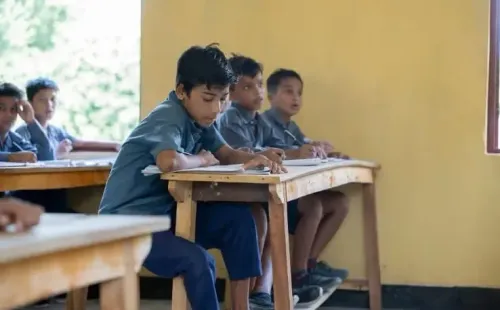
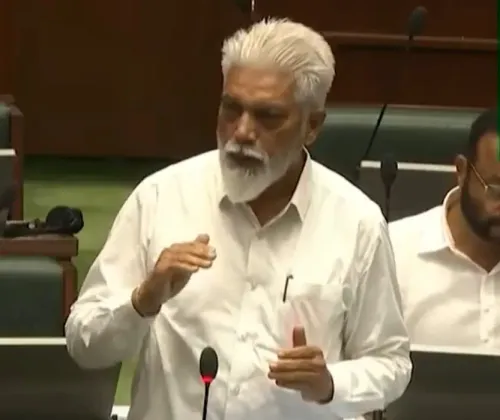
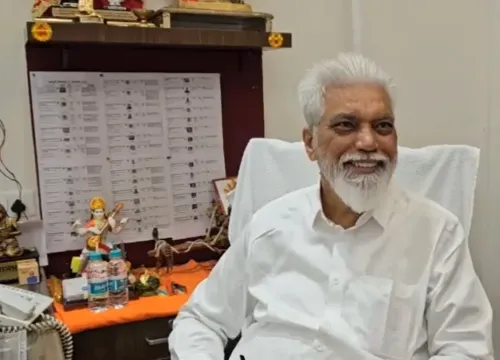
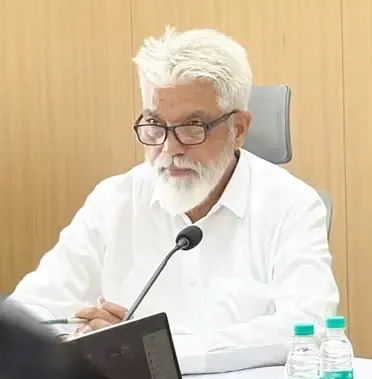
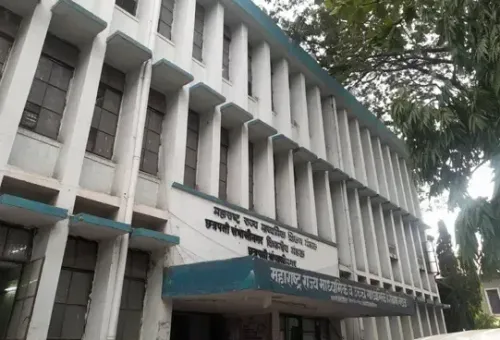
Maharashtra School Education Minister Dadaji Bhuse on Monday, 29 June told the state Assembly that schools failing to teach Marathi would face fines of up to ₹1,00,000 and risk losing their official recognition, as the state moves to enforce a long-standing but unevenly implemented mandate. The announcement underscores the Maharashtra government's push to make Marathi instruction non-negotiable across all Boards and mediums of instruction from Class 1 to Class 10.
Key Penalties and Compliance Rules
Under the framework outlined by Minister Bhuse, schools that fail to comply with the Marathi teaching mandate will be fined up to ₹1,00,000 on the first instance of non-compliance. Persistent violations will result in the cancellation of the school's recognition and affiliation — a measure that would effectively shut down operations.
Schools are also required to appoint teachers with the prescribed educational qualifications specifically for Marathi instruction. Government officials will verify teaching standards and inspect Marathi examination records during routine school visits, adding a layer of active oversight rather than relying on self-reporting.
Curriculum Changes and Cultural Additions
Beyond enforcement, Minister Bhuse announced that the state curriculum will be updated to more prominently feature Maharashtra's cultural and historical heritage. Dedicated sections on the educational and social contributions of Mahatma Jyotirao Phule and Krantijyoti Savitribai Phule, along with other iconic figures of the state, will be incorporated into the syllabus.
The Minister also noted that the history of Chhatrapati Shivaji Maharaj has been expanded within national-level textbooks, broadening its reach to students across India. Additionally, all schools in Maharashtra have been directed to ensure that the state song, 'Jai, Jai Maharashtra Maza', is sung respectfully after the National Anthem.
Assembly Discussion and Political Participation
The announcement was made during a discussion initiated by MLA Atul Bhatkhalkar, with contributions from MLAs Varun Sardesai, Sunil Prabhu, Dr Nitin Raut, and Ratnakar Gutte. The cross-party participation signals that Marathi language promotion commands broad legislative support, even as implementation has historically been patchy — particularly in English-medium and CBSE-affiliated private schools in urban Maharashtra.
Monsoon Fishing Ban Extended to August 15
In a separate announcement from the same Assembly session, Fisheries Minister Nitesh Rane confirmed that the state government has extended the seasonal monsoon fishing ban to 15 August. The previous ban prohibited mechanised and motorised fishing vessels from operating in Maharashtra's coastal waters for 61 days, from 1 June to 31 July.
The extension was approved following formal recommendations from district-level committees and the State Advisory and Monitoring Committee, after several fishermen's cooperative societies petitioned for a longer breeding window to prevent the harvesting of juvenile fish at the start of the season. The government cited both ecological sustainability and fishermen's safety — given the risk of cyclones and heavy rainfall during the early monsoon — as reasons for the extended prohibition.
Minister Rane warned that the Fisheries Department will take strict action against unauthorised fishing vessels from neighbouring states found operating in Maharashtra's coastal waters during the ban period.
What Comes Next
With penalties now formally stated on the Assembly floor, the focus shifts to enforcement — particularly in private and unaided schools that have historically operated with limited state oversight. Whether the government establishes a dedicated inspection mechanism or relies on existing school visit protocols will determine how effectively these directives translate into classroom practice.
Point of View
Not merely symbolic, and reflects a broader Mahavikas-era consensus that has carried into the current dispensation. The fishing ban extension, meanwhile, is a rare instance of the government acting on ecological data rather than industry pressure — worth noting in a policy environment where short-term livelihoods often override conservation logic.
NationPress
28 Sept 2026
Frequently Asked Questions
What is the penalty for Maharashtra schools not teaching Marathi?
Schools that fail to teach Marathi face a fine of up to ₹1,00,000 on the first instance of non-compliance, as announced by Education Minister Dadaji Bhuse on 29 June. Persistent violations will lead to cancellation of the school's recognition and affiliation.
Is Marathi compulsory in all Maharashtra schools?
Yes. Teaching Marathi from Class 1 to Class 10 is mandatory across all school Boards and mediums of instruction in Maharashtra. Schools are also required to appoint teachers with the prescribed qualifications specifically for Marathi.
What curriculum changes did Minister Bhuse announce?
The state curriculum will be updated to more prominently feature Maharashtra's cultural and historical heritage, including dedicated sections on Mahatma Jyotirao Phule, Krantijyoti Savitribai Phule, and an expanded account of Chhatrapati Shivaji Maharaj. Schools have also been directed to sing the state song 'Jai, Jai Maharashtra Maza' after the National Anthem.
Why has Maharashtra extended the monsoon fishing ban to August 15?
The state extended the ban from 31 July to 15 August following requests from fishermen's cooperative societies and recommendations from district-level and state advisory committees. The extension aims to give fish populations a longer breeding window and protect fishermen from the hazards of early-monsoon weather.
What action will be taken against out-of-state fishing vessels during the ban?
Fisheries Minister Nitesh Rane warned that the Fisheries Department will take strict action against unauthorised fishing vessels from neighbouring states found operating in Maharashtra's coastal waters during the extended prohibition period.