Maharashtra's Budget: A Bold Leap Towards Renewable Energy and Grid Stability
Synopsis
Maharashtra's recent budget reveals a transformative approach to energy, positioning solar, wind, and pumped storage as key players. With ambitious targets set for renewable energy by 2030, the state aims to revolutionize its energy landscape while significantly reducing costs for farmers.
Key Takeaways
Energy Sector as Foundation: The budget positions energy as crucial for Viksit Maharashtra.
Renewable Energy Target: Aiming for 45 GW capacity by 2032.
Solar Power Expansion: Targeting 16 GW of solar energy by 2026.
Cost Reduction for Farmers: Electricity costs expected to drop significantly.
Pumped Storage Solutions: Addressing energy intermittency through innovative projects.
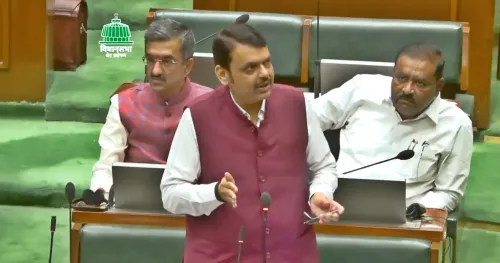
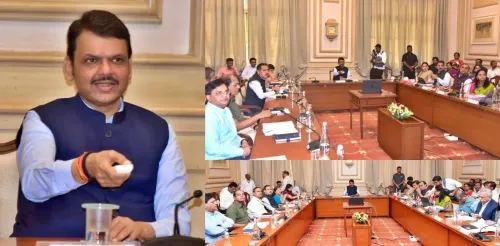
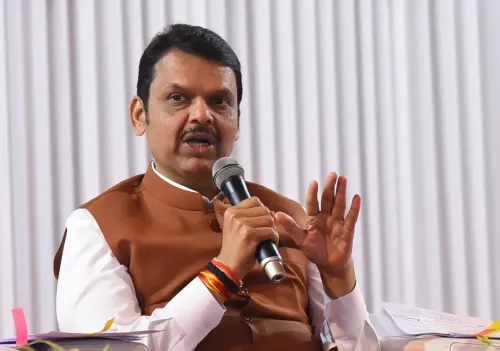
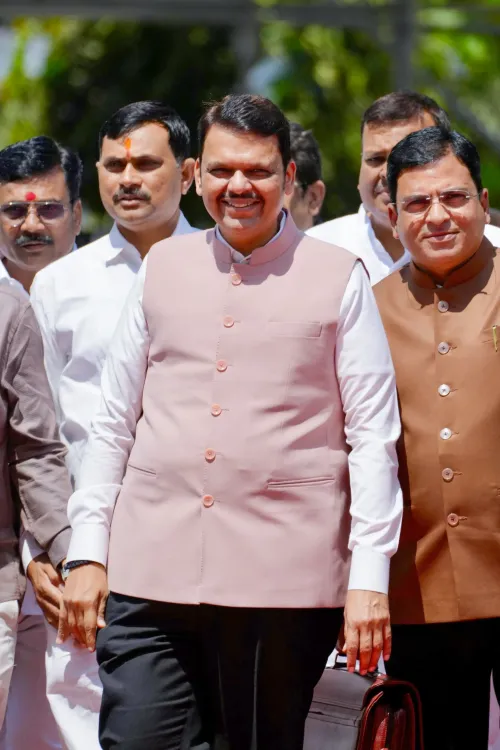
Mumbai, March 6 (NationPress) In the annual budget presentation for 2026–27, Maharashtra Chief Minister Devendra Fadnavis highlighted the energy sector as the “cornerstone of Viksit Maharashtra”. The strategy aims for energy independence and grid stability by transitioning from a reliance on thermal generation to a diversified approach that includes solar, wind, and pumped storage.
The ambitious plan aims to add 45 GW of capacity by 2032, increasing the share of renewable energy in the state's energy mix from 13% to 52% by 2030.
Maharashtra is currently executing Asia’s largest decentralized solar initiative. The state is projected to generate 16 GW of solar energy by the end of 2026, with nearly 500 MW being added each month. Furthermore, the government plans to transition the entire agricultural electricity load to solar energy.
This shift is expected to lower farmers' electricity costs from Rs 8 per unit to under Rs 3, thus alleviating the subsidy burden on various industries. Plans are also in place to install over 1 million solar pumps shortly.
Maharashtra currently holds a significant share, accounting for 60% of all solar pumps in India.
To tackle the intermittency issues linked to solar and wind energy, the budget emphasizes the importance of pumped storage projects.
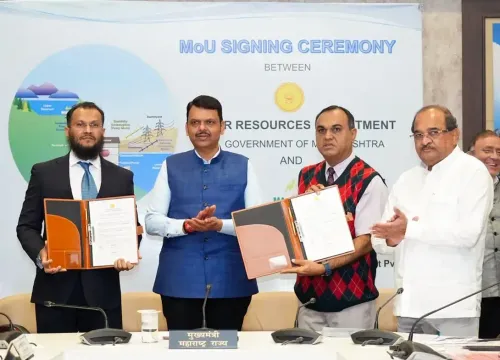
The government is expediting 55 MoUs for pumped storage projects with a total capacity potential of 78,215 MW and an investment of Rs 4.16 lakh crore.
These initiatives will function as “energy reservoirs”, storing excess energy during daylight hours and distributing it during peak demand in the evenings.
According to the Chief Minister, Maharashtra aspires to be a national center for green hydrogen. The budget includes provisions for developing specialized green hydrogen hubs, likely to be established in coastal areas such as Raigad and Ratnagiri, providing zero-emission fuel to the chemical and steel sectors. Maharashtra already leads the nation in bioenergy capacity, estimated at around 3,000 MW. The budget also encourages investment in compressed biogas (CBG) facilities for converting agricultural waste into fuel.
The government has proposed enhancing high-voltage transmission lines to facilitate power evacuation from solar-abundant regions in Marathwada and Vidarbha to the industrial centers in western Maharashtra.
Point of View
Maharashtra's strategic budget focuses on sustainable energy solutions, aiming to shift away from traditional thermal power. The commitment to renewable energy not only supports local economies but also positions the state as a leader in the green energy transition.
NationPress
1 Oct 2026
Frequently Asked Questions
What is the main goal of Maharashtra's new budget?
The primary goal is to achieve energy independence and grid stability by transitioning to a diverse energy mix of solar, wind, and pumped storage.
How much renewable energy capacity is Maharashtra planning to add by 2032?
Maharashtra aims to add 45 GW of renewable energy capacity by 2032.
What benefits will farmers receive from the solar power initiative?
Farmers' electricity costs are expected to decrease from Rs 8 per unit to less than Rs 3, significantly easing their financial burden.
How does Maharashtra plan to address solar and wind energy intermittency?
The budget prioritizes pumped storage projects that will serve as reservoirs of energy, storing excess power during the day.
What role will green hydrogen play in Maharashtra's energy strategy?
Maharashtra aims to become a national hub for green hydrogen, developing specialized hubs to supply zero-emission fuel for industries.