MahaYuti tensions ease as BJP convenes top-level coordination meet ahead of local polls
Synopsis
Cracks within Maharashtra's ruling MahaYuti alliance — simmering since December 2024 — have forced the BJP to convene an emergency-style coordination meet at CM Fadnavis's residence. The decisions made there, from a 49:29:23 board-appointment split to a unified local poll strategy, reveal how much internal management the coalition requires even as the opposition and the Maratha quota agitation close in.
Key Takeaways
BJP hosted a MahaYuti coordination committee meeting at CM Devendra Fadnavis 's residence, Varsha , in Mumbai.
Appointments across 171 state-owned corporations and boards to be finalised within a month on a 49:29:23 per cent split among BJP, Shiv Sena, and NCP.
The alliance will contest all local body elections, including Gram Panchayat polls, as a unified front with a binding seat-sharing formula.
70 per cent of DPDC funds will go directly to local MLAs; 30 per cent allocated by District Guardian Ministers.
NCP has demanded the return of the Finance portfolio , previously held by the late Ajit Pawar.
Activist Manoj Jarange Patil has threatened an indefinite hunger strike over Kunbi caste certificates for Marathas, adding external pressure on the alliance.
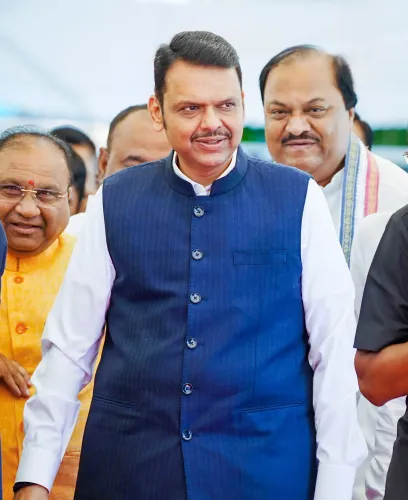
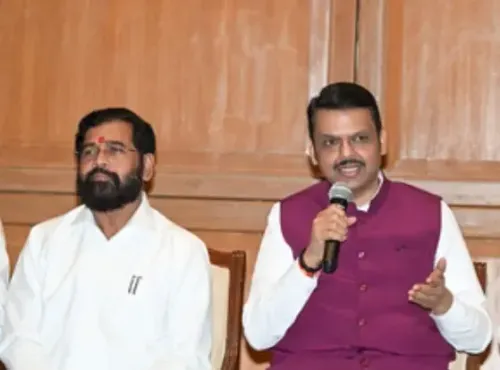
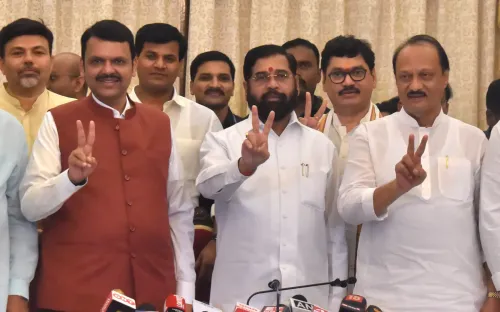
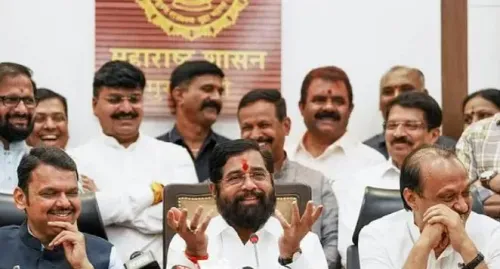
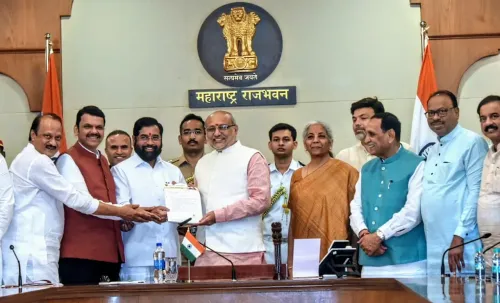
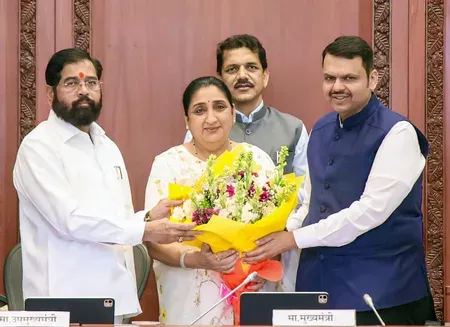
The Bharatiya Janata Party (BJP) hosted a high-level MahaYuti coordination committee meeting at Chief Minister Devendra Fadnavis's official residence, Varsha, in Mumbai, in a concerted effort to defuse mounting internal friction within the ruling alliance ahead of local body elections. The meeting was attended by Deputy Chief Ministers Eknath Shinde and Sunetra Pawar, signalling the seriousness with which the coalition is treating its unity challenge.
Key Decisions from the Coordination Meet
Maharashtra Revenue Minister Chandrashekhar Bawankule, who leads the MahaYuti coordination committee, announced that the panel will now convene at least once every two months to ensure smoother administration and policy alignment. All leaders and workers across constituent parties have been directed to refrain from making critical, derogatory, or contradictory remarks against alliance partners — a directive that underscores how public spats have rattled coalition confidence.
Critically, the long-pending appointments across 171 state-owned corporations and boards will be finalised within a month, distributed on a proposed 49:29:23 per cent ratio among the BJP, Shiv Sena, and Nationalist Congress Party (NCP) respectively, in proportion to their legislative strength. The delay in these appointments had reportedly left party functionaries and cadres restless since the MahaYuti government assumed power on 5 December 2024.
Electoral Strategy: A United Front for Local Polls
The alliance has formally resolved to contest all upcoming local body elections — including Gram Panchayat polls — as a unified front. Minister Bawankule stated that a binding seat-sharing and election formula will apply to all constituent parties across all regions, with no independent or opposing candidates permitted from within the alliance. This is a significant commitment given the historical tendency of local-level workers to contest independently when seat-sharing talks break down.
To address disputes over regional development funds, the three allies have finalised a formula for the District Planning Development Committee (DPDC): 70 per cent of DPDC funds will be disbursed directly to local MLAs, while the remaining 30 per cent will be allocated by District Guardian Ministers among alliance partners.
NCP's Finance Portfolio Demand and Cabinet Friction
Behind the scenes, the NCP — led by Deputy CM Sunetra Pawar — has pushed for the return of the Finance portfolio to their party. The Cabinet post was previously held by the late Ajit Pawar before being reassigned to Chief Minister Fadnavis. This demand reflects deeper tensions over power-sharing that the coordination committee has yet to fully resolve.
Minister Bawankule dismissed rumours of any leadership change in Maharashtra, asserting that the alliance continues to function under its existing executive setup. With nearly 12 political entities under the broader NDA umbrella in the state, the committee aims to maintain structured communication channels across all smaller and larger partners.
Pressures Mounting: Opposition and Maratha Quota Agitation
The BJP-led coalition faces pressure on two fronts. Internally, the alliance is responding to a reinvigorated opposition — particularly the strong youth turnout at Congress leader Rahul Gandhi's 'Chhatron Ki Goonj' rally in Pune. Externally, activist Manoj Jarange Patil has threatened an indefinite hunger strike demanding immediate Kunbi caste certificates for eligible Marathas, a socially sensitive issue that carries significant electoral weight in the state.
Senior coalition leaders acknowledged shared responsibility for administrative shortfalls, emphasising that failures cannot be attributed to individual party ministers. With local elections looming and public discontent simmering over key social issues, the MahaYuti leadership is under pressure to demonstrate cohesion and delivery.
Point of View
Breeding cadre frustration at the ground level. The directive banning public criticism of alliance partners is an admission that the MahaYuti's internal discipline has already frayed publicly. Meanwhile, the Maratha quota agitation is not a problem that coordination committees can resolve — it demands policy action, and the alliance's silence on a concrete Kunbi certificate timeline is a vulnerability the opposition will exploit ahead of local polls.
NationPress
11 Oct 2026
Frequently Asked Questions
What was decided at the MahaYuti coordination committee meeting?
The meeting at CM Devendra Fadnavis's residence resolved to finalise appointments across 171 state-owned boards within a month using a 49:29:23 per cent distribution among BJP, Shiv Sena, and NCP. The alliance also committed to contesting all local body elections as a unified front and formalised a DPDC fund-sharing formula.
Why is the MahaYuti alliance facing internal tensions?
Tensions have built up over delayed board appointments, unresolved Cabinet portfolio disputes — including NCP's demand for the Finance portfolio — and public contradictions between alliance partners. The coalition has governed since 5 December 2024 without finalising key administrative positions, leaving party workers restless.
What is the 49:29:23 ratio in the MahaYuti board appointments?
It refers to the proposed share of appointments across 171 state-owned corporations and boards: BJP will receive 49 per cent, Shiv Sena 29 per cent, and NCP 23 per cent, broadly reflecting each party's legislative strength in the ruling coalition.
What is Manoj Jarange Patil demanding and why does it matter for MahaYuti?
Activist Manoj Jarange Patil has threatened an indefinite hunger strike demanding immediate Kunbi caste certificates for eligible Marathas. The Maratha community is a significant electoral constituency in Maharashtra, and the unresolved demand adds external pressure on the ruling alliance ahead of local body elections.
How often will the MahaYuti coordination committee meet going forward?
The committee, led by Revenue Minister Chandrashekhar Bawankule, will convene at least once every two months to ensure smoother administration and early resolution of inter-party disputes across the nearly 12 political entities under the broader NDA alliance in Maharashtra.