Manipur CM: 36,000 of 60,000 ethnic violence IDPs resettled, 24,000 still in camps
Synopsis
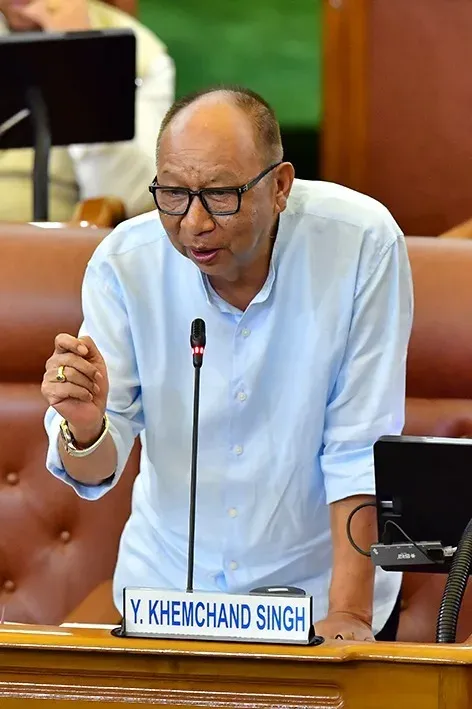
More than two years after Manipur's ethnic violence erupted on 3 May 2023, Chief Minister Yumnam Khemchand Singh has told the state Assembly that 36,000 of 60,000 displaced persons have been resettled — but 24,000 remain in camps, the government is still funding nearly all 60,000 IDPs, and a trust deficit between communities remains the hardest obstacle to full normalisation.
Key Takeaways
36,000 of 60,000 IDPs displaced by Manipur's ethnic violence since 3 May 2023 have been resettled, Chief Minister Yumnam Khemchand Singh told the Assembly on 3 September .
24,000 IDPs remain in relief camps across the state.
The government continues to provide financial assistance to approximately 59,000 of the 60,000 total IDPs, including those who have returned home.
The Health Department is taking steps to address mental trauma among conflict-affected communities after nearly three years of displacement.
The government is working to reopen the Moreh trade route with Myanmar following resumption of the Imphal–Dimapur–Guwahati bus service.
The Chief Minister identified community trust deficit as the primary barrier to full resettlement and normalisation.
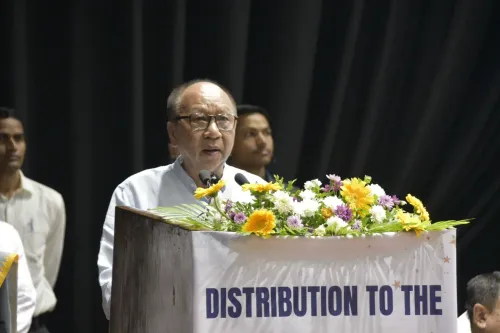
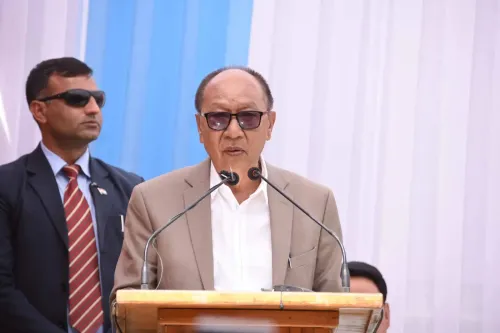
Manipur Chief Minister Yumnam Khemchand Singh on Thursday, 3 September informed the state Assembly that approximately 36,000 of the 60,000 people displaced by the ethnic violence that erupted on 3 May 2023 have been resettled. The disclosure came during a short-duration discussion moved by Congress MLA Lokeshwar Singh, with 24,000 Internally Displaced Persons (IDPs) still living in relief camps across the state.
Scale of Displacement and Resettlement Progress
Chief Minister Khemchand Singh told the House that despite the resettlement of 36,000 IDPs, the state government continues to extend financial assistance to approximately 59,000 of the total 60,000 displaced persons. He attributed progress made so far to the collective support and efforts of legislators across the House.
The Chief Minister acknowledged that even those who have returned home face ongoing hardships due to the near-total collapse of livelihood and earning opportunities in conflict-affected areas. As a result, the government continues to provide monthly financial support to returnees alongside those still in camps.
Community Sentiment and Trust Deficit
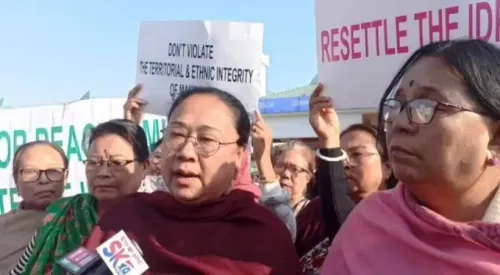
Referring to his personal visits to relief camps and conflict-hit zones, Khemchand Singh said he found that displaced persons from both the hills and the valley shared the same desire — to live in peace and return to their homes. He identified the trust deficit among communities as the single most significant challenge standing in the way of full normalisation.
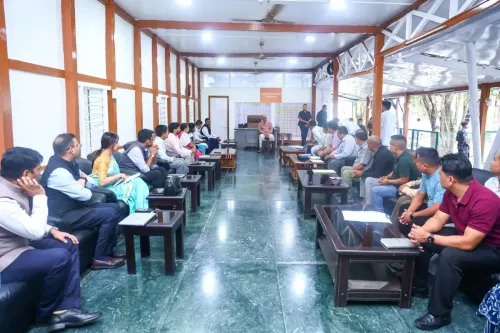
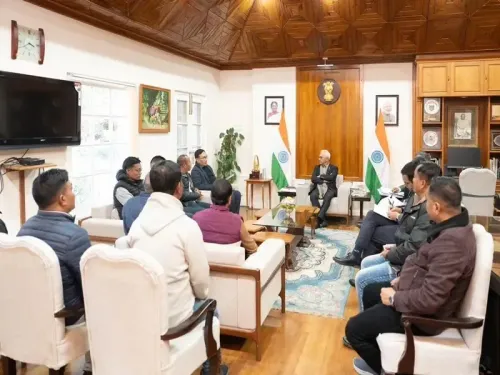
Last month, the Chief Minister convened discussions with representatives of six to seven joint associations of IDPs to explore avenues for assistance and accelerated resettlement. He stressed that the issue must be approached without political considerations and that the government welcomes suggestions from all quarters.
Mental Health and Rehabilitation Measures
The Chief Minister noted that the prolonged ethnic crisis — now entering its third year — has inflicted severe mental trauma on affected communities. He said the Health Department is taking active steps to provide psychological support and reduce trauma among IDPs.
On the livelihood front, Khemchand Singh said he is in discussion with the Planning Department to identify further rehabilitation initiatives. He cited the Labour Department's labour card scheme as one potential instrument for extending support and creating employment opportunities for displaced persons.
Connectivity and Trade Route Restoration
On the economic recovery front, the Chief Minister said that following the successful resumption of the Imphal–Dimapur (Nagaland)–Guwahati inter-state bus service, the government is now working towards reopening the Moreh trade route with Myanmar. Restoring cross-border trade is seen as critical to reviving the economy of the conflict-affected border region.
With trust-building between communities identified as the central challenge, the government's ability to move the remaining 24,000 camp residents toward durable resettlement will be closely watched in the months ahead.
Point of View
000 resettled IDPs risks masking a more troubling reality: the Manipur government is still financially supporting nearly all 60,000 displaced persons, including those who have nominally 'returned home' — a signal that resettlement on paper has not translated into livelihood recovery on the ground. With the conflict now in its third year and community trust still fractured, the path from camp to genuine rehabilitation is far longer than the numbers suggest. The reopening of the Moreh trade route, if achieved, could be the single most consequential economic intervention — but it depends on a security environment that remains fragile. The Assembly discussion itself is notable: that it took a Congress-initiated short-duration debate to surface a comprehensive IDP accounting is a reminder that legislative scrutiny, not just executive action, is driving accountability here.
NationPress
19 Oct 2026
Frequently Asked Questions
How many Manipur ethnic violence IDPs have been resettled so far?
According to Chief Minister Yumnam Khemchand Singh's statement in the Manipur Assembly on 3 September, approximately 36,000 of the 60,000 people displaced since 3 May 2023 have been resettled. However, 24,000 IDPs continue to live in relief camps across the state.
Is the Manipur government still providing financial aid to resettled IDPs?
Yes. The government is providing financial assistance to around 59,000 of the total 60,000 IDPs, including those who have returned home. The Chief Minister explained that returnees continue to face livelihood difficulties, making ongoing monthly support necessary.
What is the biggest challenge to full resettlement in Manipur?
Chief Minister Khemchand Singh identified the trust deficit between communities as the most important challenge. He said the government is actively working to build inter-community trust and create conditions conducive to the return of normalcy and economic activity.
What steps is the Manipur government taking for IDP rehabilitation beyond financial aid?
The Health Department is providing mental health support to trauma-affected IDPs. The government is also exploring livelihood measures such as the Labour Department's labour card scheme and is in discussions with the Planning Department on further rehabilitation initiatives.
What is the status of trade and connectivity restoration in Manipur?
The Imphal–Dimapur (Nagaland)–Guwahati inter-state bus service has been successfully resumed. The government is now working towards reopening the Moreh trade route with Myanmar, which is seen as key to reviving the economy of conflict-affected border areas.