PM Modi: Census 2027 Is Every Indian's Responsibility, Not Just Govt's
Synopsis
PM Modi used Mann Ki Baat episode 133 to rally Indians around Census 2027 — the world's first fully digital national census, delayed six years by COVID, now including caste data for all groups for the first time since 1931. Over 1.2 crore families enumerated already. This data will reshape welfare, elections, and India's political map.
Key Takeaways
PM Narendra Modi appealed to all Indians to participate in Census 2027 during the 133rd episode of Mann Ki Baat on April 26, 2025 .
Census 2027 is the world's first fully digital national census , with enumerators using a mobile app to record data in real time.
A self-enumeration facility allows citizens to submit their household data 15 days before the enumerator's visit , receiving a unique digital ID for verification.
House listing for over 1 crore 20 lakh (12 million) families has already been completed in states where enumeration has begun.
For the first time since 1931 , the census will include comprehensive caste enumeration for all social groups beyond just SCs and STs.
Originally scheduled for 2021 , the census was delayed by six years due to the COVID-19 pandemic and will now serve as the basis for future constituency delimitation across India.
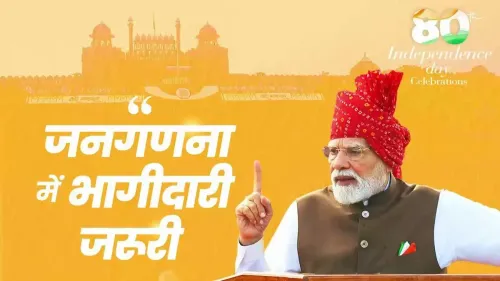
New Delhi, April 26: Prime Minister Narendra Modi on Sunday called upon every Indian citizen to actively participate in Census 2027, describing it not merely as a government exercise but as a collective national responsibility. Speaking during the 133rd episode of Mann Ki Baat, his monthly radio address, PM Modi underscored that this census is historic — marking India's first fully digital population census and the world's largest such exercise conducted entirely in digital format.
India's First Fully Digital Census: What's New This Time
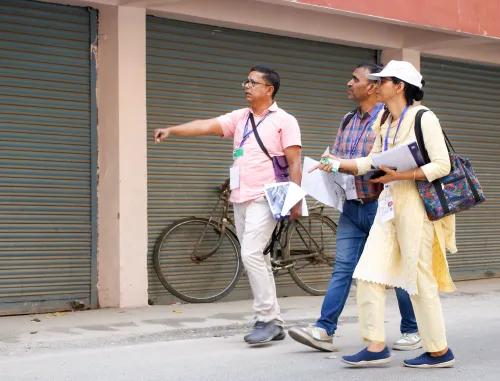
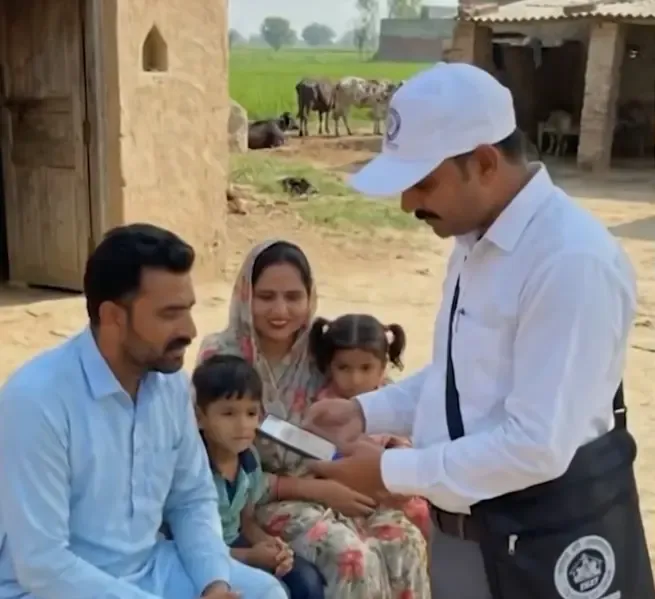
Census 2027 introduces a landmark shift from paper-based data collection to a fully digital system. Enumerators visiting homes door-to-door are equipped with a mobile application that records information in real time, eliminating the need for physical forms and manual data entry.
"Those who have already undergone such a process will have a different experience this time," PM Modi noted, emphasising the technological leap this census represents over all previous editions. The digital infrastructure ensures faster, more accurate data compilation at a national scale.
This is the 16th decennial census in India's history and the 8th since Independence. Originally scheduled for 2021, it was postponed due to the COVID-19 pandemic — a delay of six years that makes the 2027 exercise even more consequential for policy planning across health, education, infrastructure, and welfare schemes.
Self-Enumeration: Citizens Can Now Enter Their Own Data
One of the most significant innovations in Census 2027 is the introduction of self-enumeration, a facility that empowers citizens to submit their own household data before the enumerator's visit. This window opens 15 days before the scheduled enumerator arrival in each area.
Upon completing the self-enumeration process, citizens receive a unique special ID on their registered mobile number or email address. When the enumerator subsequently visits, residents can simply show this ID to verify their pre-submitted data — eliminating the need to repeat the entire information-sharing process.
"This saves time and simplifies the process," PM Modi said, adding that the system has already shown results: house listing for approximately 1 crore 20 lakh families has been completed so far in states where self-enumeration is underway.
Historic Caste Enumeration After Nearly a Century
Beyond its digital character, Census 2027 carries profound political and social significance. For the first time since 1931 — nearly 94 years — the census will include comprehensive caste enumeration for all social groups, not just Scheduled Castes (SC) and Scheduled Tribes (ST).
This development is particularly significant given the sustained political pressure from opposition parties and Other Backward Classes (OBC) advocacy groups demanding a full caste census to inform reservation policies and welfare targeting. The inclusion of caste data for all groups could reshape affirmative action debates and electoral calculations across India's 28 states and 8 Union Territories.
Notably, the demand for a caste census had become a major political flashpoint, with the Congress party and regional outfits like RJD and SP making it a campaign centerpiece in recent elections. The government's decision to include it in Census 2027 represents a significant policy shift that addresses years of public demand.
Data Security and Citizen Participation: PM's Assurance
PM Modi directly addressed concerns around data privacy, assuring citizens that all information provided during the census is completely secure, kept confidential, and protected with digital security protocols. This assurance is critical to driving participation, particularly in an era of growing public awareness about data misuse.
"The national census isn't just a government task. It's the responsibility of all of us. Your participation is crucial," PM Modi said, urging citizens across the country to cooperate with enumerators and complete the self-enumeration process proactively.
Census data directly determines the allocation of central government funds, the drawing of parliamentary and assembly constituencies, and the targeting of flagship welfare programmes including PM Awas Yojana, National Food Security Act beneficiaries, and MGNREGS coverage. Inaccurate or incomplete census data has real consequences for millions of Indians who depend on government schemes for survival.
What Comes Next: Timeline and Broader Implications
With house listing already completed for over 1.2 crore families, the full population enumeration phase is expected to follow in a structured, state-by-state rollout. The Registrar General of India is overseeing the exercise, which will ultimately produce the most comprehensive demographic dataset India has generated since the pre-independence era.
The data from Census 2027 will also be critical for the delimitation of Lok Sabha and Vidhan Sabha constituencies — a process that has been constitutionally frozen since 1976 and is expected to resume based on the new census figures, potentially redrawing India's political map significantly.
As the census rolls out nationwide, citizens are encouraged to watch for official communications about self-enumeration windows in their area and to engage proactively with the process — a step that will shape India's governance, resource allocation, and democratic representation for the next decade.
Point of View
But the real story is the inclusion of comprehensive caste enumeration for the first time since 1931. This is not a neutral bureaucratic choice: it directly responds to years of opposition pressure and OBC mobilisation, and its data will fuel reservation policy battles and delimitation disputes for decades. PM Modi's personal appeal on Mann Ki Baat signals that participation rates are a political as much as an administrative concern — low enumeration in opposition-governed states could become a flashpoint. The census that shapes India's next political map is already underway, and most citizens don't realise the stakes.
NationPress
19 Sept 2026
Frequently Asked Questions
What is Census 2027 and why is it important?
Census 2027 is India's 16th decennial census and the 8th since Independence, significant for being the world's first fully digital national census. It was originally scheduled for 2021 but was postponed due to the COVID-19 pandemic. The data collected will determine constituency delimitation, welfare scheme targeting, and resource allocation for the next decade.
How can I participate in self-enumeration for Census 2027?
Citizens can fill in their own household data through a government mobile app starting 15 days before the enumerator is scheduled to visit their area. After completing the process, you receive a unique ID on your mobile or email, which the enumerator verifies during their visit — eliminating the need to repeat information.
Why is caste enumeration in Census 2027 historically significant?
Census 2027 will include comprehensive caste data for all social groups for the first time since 1931 — nearly 94 years. Previously, only Scheduled Castes and Scheduled Tribes were enumerated by caste. This data is expected to significantly influence reservation policies and OBC welfare programmes.
What did PM Modi say about Census 2027 on Mann Ki Baat?
During the 133rd episode of Mann Ki Baat on April 26, PM Modi urged all citizens to participate in Census 2027, calling it a collective national responsibility rather than just a government task. He highlighted the digital format, the self-enumeration facility, and assured citizens that their data would be kept completely secure and confidential.
How many families have been enumerated in Census 2027 so far?
As of PM Modi's Mann Ki Baat address on April 26, house listing for approximately 1 crore 20 lakh (12 million) families has been completed in states where self-enumeration is already underway. Full population enumeration is expected to follow in a phased, state-by-state rollout.