Pakistan women in politics: Quotas boost numbers, not power, report finds
Synopsis
Despite legislative quotas boosting female headcounts in Pakistan's Parliament, a new report reveals women remain locked out of real power — only one female Senator won a general seat, and top roles like Senate chairman stay male-dominated. Inclusion, the report argues, has been managed, not expanded.
Key Takeaways
A report cited by European Times found Pakistan's women parliamentarians are numerically present but structurally excluded from political power.
Only one woman in Pakistan's current Senate holds a seat won through a general constituency; all others entered via quota allocations.
Key Senate leadership roles — including chairman and opposition leader — continue to be held by men.
The Free and Fair Election Network , a Pakistan-based civil society platform, was cited as a source for the findings.
The report described the barriers as "embedded within the political framework" , not incidental, pointing to party structures, electoral practices, and institutional norms as systemic obstacles.
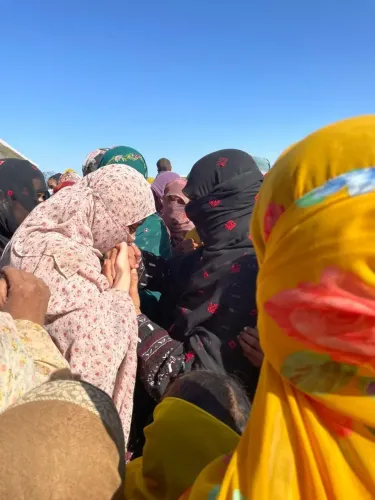
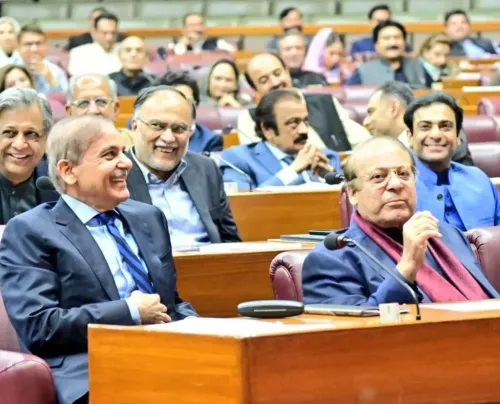
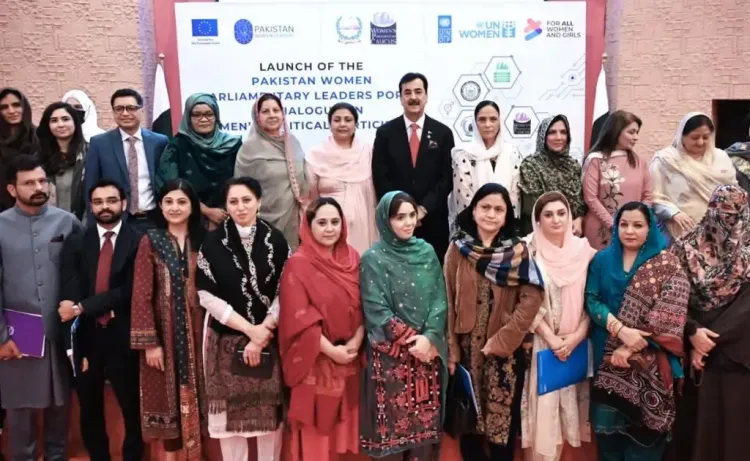
Pakistan's women parliamentarians continue to face deep-rooted exclusion from positions of real political power, according to a report cited by European Times this week. While legislative quotas have increased the numerical presence of women in Parliament, they have not meaningfully shifted the balance of power, with male dominance in leadership roles persisting across party lines.
Quotas Secure Presence, Not Power
The report found that women's representation in Pakistan's Parliament continues to rely overwhelmingly on reserved quota allocations rather than electoral victories in general constituencies. Citing findings by the Pakistan-based civil society platform Free and Fair Election Network, the report noted that only one woman in the country's current Senate has been elected through a general constituency seat — the rest entered through quota-based mechanisms.
This reliance on quotas, the report argued, has placed women within a
Point of View
Not enough structural change to threaten the status quo. The finding that only one woman in the entire Senate won a general seat is a damning metric, and it exposes the gap between representation optics and democratic substance. What's missing from the debate is accountability: political parties that benefit from women's legislative labour while blocking their rise to leadership are, in effect, instrumentalising gender inclusion. Until general seat tickets are allocated equitably and leadership pipelines are opened, quota-driven representation risks becoming a permanent ceiling rather than a stepping stone.
NationPress
26 Sept 2026
Frequently Asked Questions
What did the report on Pakistan's women politicians find?
The report, cited by European Times, found that while legislative quotas have increased the number of women in Pakistan's Parliament, they have not translated into real political power or leadership roles. Women remain largely excluded from key positions such as Senate chairman and opposition leader.
How many women in Pakistan's Senate won general constituency seats?
According to findings by the Free and Fair Election Network, only one woman in Pakistan's current Senate was elected through a general constituency. All other female senators entered through quota-based allocations.
Why do political quotas not guarantee power for women in Pakistan?
The report argues that quotas secure a basic level of presence but do not provide political autonomy or pathways to leadership. Party structures, electoral practices, and institutional norms continue to mediate access to power in ways that disadvantage women.
Which organisation published the findings on Pakistan's women in politics?
The findings were cited by European Times and drew on research by the Free and Fair Election Network, a Pakistan-based civil society platform focused on electoral integrity and democratic participation.
What are the broader implications of excluding women from Pakistani political leadership?
The report stressed that the exclusion of women from key decision-making roles limits the diversity of perspectives in governance, reinforces power imbalances, and has practical consequences for democratic institutions — going beyond symbolic representation.