Pakistan ranks last in Gender Gap Report 2025, women face violence and exclusion
Synopsis
Pakistan has finished last among 148 nations in the WEF Gender Gap Report 2025 — and a string of violent cases from June 2026 alone illustrates exactly why. From an acid attack on a doctor in Quetta to the murder of a three-year-old in Karachi, the data and the headlines tell the same story: institutional failures are costing Pakistani women their safety, livelihoods, and lives.
Key Takeaways
Pakistan ranked 148th out of 148 countries in the WEF Global Gender Gap Report 2025 , finishing last globally.
Overall gender parity score fell from 57% in 2024 to 56.7% in 2025.
Women comprise only 22% of Pakistan's total labour force, according to World Bank data.
An estimated 200 acid attack cases are reported annually in Pakistan, with no official national statistics maintained.
A three-year-old girl was sexually assaulted and murdered in Karachi's Malir district on 24 June 2026 ; several suspects have been detained.
A woman doctor in Quetta was attacked with acid by a hospital employee in June 2026 , sparking nationwide protests.
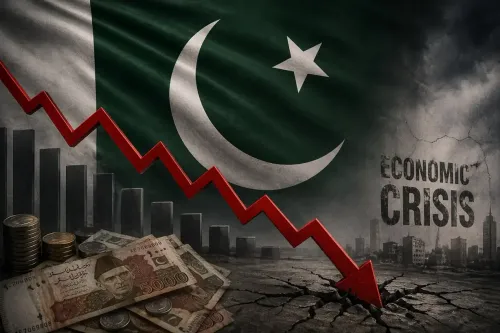
Pakistan has been ranked 148th out of 148 countries in the World Economic Forum's Global Gender Gap Report 2025, finishing last globally for the second consecutive year. The country's overall gender parity score slipped further, from 57% in 2024 to 56.7% in 2025, reflecting deepening inequalities for women across economic participation, social freedoms, political representation, education, health, and personal autonomy.
A Nation at the Bottom
The WEF ranking is not merely a statistical footnote — it maps onto lived realities that Pakistani women and girls navigate daily. According to World Bank data, women account for only 22% of Pakistan's total labour force, one of the lowest participation rates in the world. Economic exclusion, compounded by systemic violence, continues to deter women from professional careers and discourages families from investing in their daughters' education.
Pakistan-based freelance writer Mariyam Suleman Anees, writing in The Diplomat, noted: 'Statistics and lived experiences point toward inequalities, where violence against women is widespread. For women and young girls, navigating public spaces remains challenging even after decades of legislation, women's rights activism, and work by several organisations, both domestic and international, like UN Women in Pakistan, Oxfam and so on.'
Acid Attacks and the Safety Crisis
The scale of violence against women in Pakistan is underscored by the near-absence of official data. An estimated 200 acid attack cases are reported in Pakistan each year — and, as with the majority of violence-against-women cases, many go unreported entirely. Pakistan has no official national statistics on acid attacks, according to the report in The Diplomat.
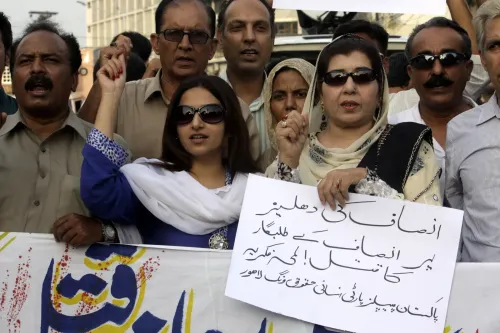
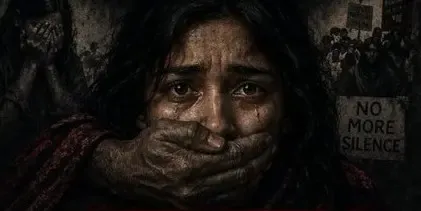
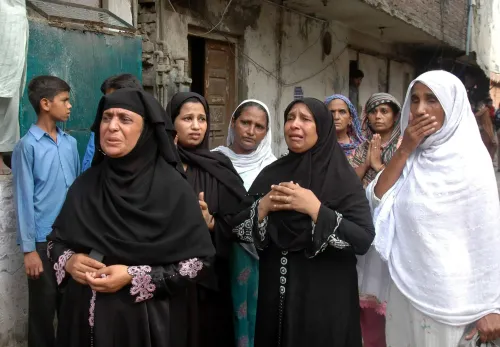
Earlier in June 2026, a woman doctor on duty at a public hospital in Quetta, the capital of Balochistan, was attacked with acid by the hospital's lift operator. The incident triggered protests across several parts of the country, with demonstrators demanding safety for working women, a ban on acid sales, and strict enforcement of existing anti-acid attack legislation. As Anees wrote: 'Educational institutions, workplaces, markets, public transport, and even the home, which is often regarded as the safest place — none has spared women from violence.'
A Catalogue of Violence: June 2026
The Quetta acid attack was not an isolated incident. Anees documented a series of cases from June 2026 alone. A 17-year-old college student was kidnapped, raped, and abandoned at a hospital. A minor girl abducted three years earlier — while in eighth grade — was recovered from Karachi, having been kept locked up and having given birth during her captivity. An 18-year-old housemaid died in hospital after allegedly being subjected to repeated rape by her employer's son and his driver over the course of a year.
In March 2026, a young woman from Rawalpindi was killed by her father and former husband after a jirga rejected her choice to remarry — one of the few such cases to receive media coverage, while thousands reportedly go unrecorded. Cases involving minor girls have also come to light, including that of a five-year-old who was raped and burned to death.
Three-Year-Old Found Dead in Karachi
On 24 June 2026, a three-year-old girl, identified only as 'K', was found dead inside a sack near her home in the Quaidabad area of Malir district, Karachi, according to local media reports. The child had gone missing while playing outside her house; her family searched the neighbourhood before locating her body in a sack on a nearby street.
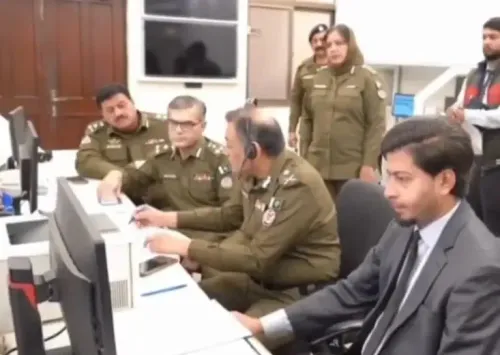
Police Surgeon Dr Summaiya confirmed the child had been sexually assaulted, adding that the exact cause of death would be determined following receipt of the chemical examination report, as reported by Pakistani daily The Express Tribune. Sindh Home Minister Ziaul Hassan Lanjar ordered police to deploy modern scientific methods to ensure the perpetrators are brought to book.
Police sources indicated the assault and murder likely occurred near the victim's residence. A police officer, speaking on condition of anonymity, said the location of the sack and the body suggested the suspect was likely familiar with the area, according to The Express Tribune. Authorities confirmed that several suspects have been detained and that blood samples and other specimens are being collected.
Structural Barriers Reinforcing the Crisis
Beyond individual incidents, the systemic picture remains stark. Gender disparity, discussions of women's rights, and violence against women are, as Anees observed, 'among some of the most contentious subjects in Pakistan.' Decades of legislation, domestic activism, and intervention by international organisations including UN Women and Oxfam have yet to shift the structural barriers that keep women at the margins of Pakistan's economic and public life. The WEF's 2025 ranking suggests the gap is widening, not closing.
With protests still reverberating from the Quetta acid attack and calls mounting for stricter enforcement of existing laws, the pressure on Pakistani authorities to move beyond rhetoric is intensifying.
Point of View
Domestic violence laws, and international programme support for years; the score still fell. What the report cannot capture is the chilling effect each high-profile case has on the next generation of Pakistani women considering a career or an education. The Quetta acid attack happened inside a hospital — one of the few spaces presumed safe for professional women. If institutions cannot protect their own employees, the 22% labour force participation figure will not move, and Pakistan's ranking will not either.
NationPress
29 Sept 2026
Frequently Asked Questions
Where did Pakistan rank in the WEF Gender Gap Report 2025?
Pakistan ranked 148th out of 148 countries — last globally — in the World Economic Forum's Global Gender Gap Report 2025. Its overall gender parity score also declined from 57% in 2024 to 56.7% in 2025, indicating a worsening trend.
What happened in the Quetta acid attack in June 2026?
A woman doctor on duty at a public hospital in Quetta, Balochistan, was attacked with acid by the hospital's lift operator in June 2026. The incident triggered protests across Pakistan demanding safety for working women, a ban on acid sales, and stricter enforcement of anti-acid attack laws.
How many acid attacks occur in Pakistan each year?
An estimated 200 acid attack cases are reported in Pakistan annually, according to The Diplomat. Pakistan has no official national statistics on acid attacks, and, as with most violence against women, many cases are believed to go unreported.
What is the status of women in Pakistan's workforce?
According to World Bank data, women make up only 22% of Pakistan's total labour force — one of the lowest rates globally. Economic exclusion is compounded by widespread violence, which discourages both women from pursuing careers and families from investing in their daughters' education.
What happened in the Karachi child murder case in June 2026?
On 24 June 2026, a three-year-old girl was found dead inside a sack near her home in the Quaidabad area of Malir district, Karachi, after being sexually assaulted and murdered. Several suspects have been detained, and blood samples are being collected. Sindh Home Minister Ziaul Hassan Lanjar ordered police to use modern scientific methods to identify the perpetrators.