Examining Women's Underrepresentation in Pakistan's Police Force
Synopsis
Despite gradual improvements in the presence of women in policing across Pakistan, significant barriers remain. This article explores the ongoing challenges faced by women seeking justice and those serving as officers within the police system.
Key Takeaways
Women face substantial barriers in accessing police services in Pakistan.
Initiatives like the Virtual Women Police Station exist, but awareness is lacking .
Only 3.8% of police personnel in Sindh are women, highlighting underrepresentation .
Women officers play vital roles but face challenges such as limited access to resources .
Increased female representation in policing is essential for building trust and ensuring justice.
Islamabad, March 31 (NationPress) The representation of women in Pakistan's policing system remains inadequate, largely due to systemic issues, cultural obstacles, and insufficient participation. From Punjab to Sindh and Khyber Pakhtunkhwa, women encounter numerous hurdles as both citizens seeking justice and as officers within the police force, as highlighted in a recent report.
"While the number of women in policing across Pakistan is gradually increasing, the advancement is inconsistent. Although there are policy initiatives and individual accomplishments that indicate progress, ongoing systemic challenges hinder both participation and effectiveness," the report featured in Pakistan's prominent daily, 'The Express Tribune,' revealed.
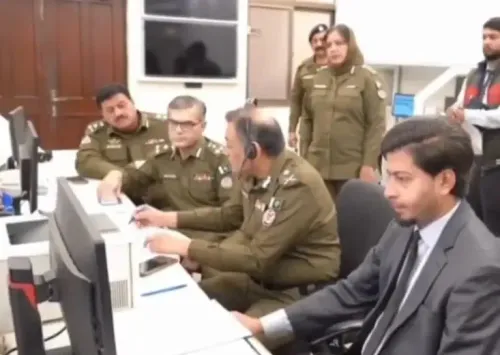
In Lahore, numerous women struggle to access police services due to a scarcity of women police stations, inadequate public awareness, and institutional limitations. Despite the Punjab government's introduction of initiatives like the Virtual Women Police Station, many residents remain unaware of these programs.
A case exemplifying these issues involves Rehan Bibi and Saadia Kausar, two sisters from South Punjab who traveled to Lahore to address a property dispute with their brothers but faced difficulties navigating the police system. Lacking education and procedural knowledge, they were attended by male officers due to the absence of female staff, receiving no guidance on how to seek assistance from women officers," the report noted.
There is a limited presence of women police stations in Lahore, and while women help desks exist within police stations, they are deemed inadequate.
"A significant problem is the lack of female personnel. Women often have to engage with male officers, which creates discomfort and erodes trust. Delays in FIR registration, insufficient focus on domestic violence cases, and lack of privacy deter women from pursuing justice," stated 'The Express Tribune.'
"Social organizations stress that the absence of secure and dedicated reporting spaces prevents women from coming forward. Although the Virtual Women Police Station launched by the Punjab Safe Cities Authority provides alternatives through helplines, mobile applications, and online communication, its utilization remains low due to lack of awareness," it added.
In Sindh, many women persist in their roles within the police department with determination. However, their representation is limited; out of around 150,000 police personnel in Sindh, merely 5,815 are women, representing only 3.8 percent of the force. Despite a quota of 10 percent for women, which is planned to increase to 15 percent, progress is slow. Women's representation at senior levels in the police force remains minimal.
Women in Khyber Pakhtunkhwa also encounter significant challenges. Peshawar has over 10,000 police personnel, among whom around 165 are women officers spread across 34 police stations. These women officers handle various tasks, including managing women's desks, participating in raids, escorting prisoners, and providing security during religious events and elections. Nonetheless, many face structural challenges, as numerous come from remote areas and lack access to accommodation or transport during night shifts.
Point of View
It's imperative to recognize the systemic barriers that hinder women's representation in Pakistan's police force. Addressing these issues is crucial for fostering trust and ensuring justice for all citizens. An inclusive police department is essential for a fair and equitable society.
NationPress
19 Sept 2026
Frequently Asked Questions
What challenges do women face in accessing police services in Pakistan?
Women in Pakistan face numerous challenges, including a lack of women police stations, insufficient public awareness, and systemic barriers that hinder their ability to seek justice.
What initiatives have been introduced to support women in policing?
The Punjab government has introduced initiatives like the Virtual Women Police Station to improve access to police services for women, although awareness about these programs remains low.
How many women serve in the police force in Sindh?
In Sindh, only 5,815 out of approximately 150,000 police personnel are women, making up just 3.8% of the force.
What are the roles of women officers in Khyber Pakhtunkhwa?
Women officers in Khyber Pakhtunkhwa manage women's desks, participate in raids, escort prisoners, and provide security during various events, although they face significant structural challenges.
Why is female representation in police important?
Female representation in police is crucial for fostering trust within communities, ensuring that women's concerns are adequately addressed, and promoting a more comprehensive approach to policing.