PoK election rigging charges deepen cracks in Pakistan's PML-N, PPP coalition
Synopsis
Pakistan's ruling coalition is cracking under the weight of PoK's contested polls. With PML-N winning nine of 13 seats amid allegations of army-backed booth capture, the PPP has gone public with its grievances — and officials warn the alliance, built on little more than a shared opposition to Imran Khan, may not survive the fallout.
Key Takeaways
PML-N won nine of 13 seats in Pakistan-occupied Kashmir (PoK) polls held on 29 July , triggering rigging allegations from coalition partner PPP .
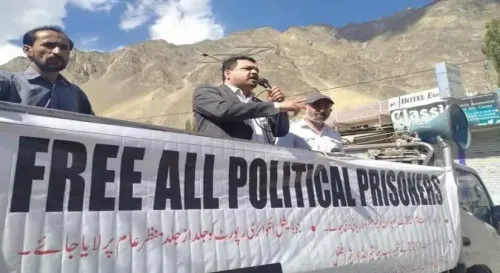
The Joint Action Awami Committee (JAAC) had called for a pre-poll boycott, alleging the outcome was predetermined.
Officials alleged that security forces helped PML-N workers capture nearly 30 polling stations , with cadres reportedly armed during the takeover.
PPP leader Bilawal Bhutto publicly accused the PML-N of using institutional support to rig the elections.
The PPP also opposes PML-N 's stance on Balochistan , Khyber Pakhtunkhwa , and Afghanistan , widening intra-coalition divisions.
Officials describe the federal alliance as a coalition of convenience, united mainly by opposition to former PM Imran Khan .
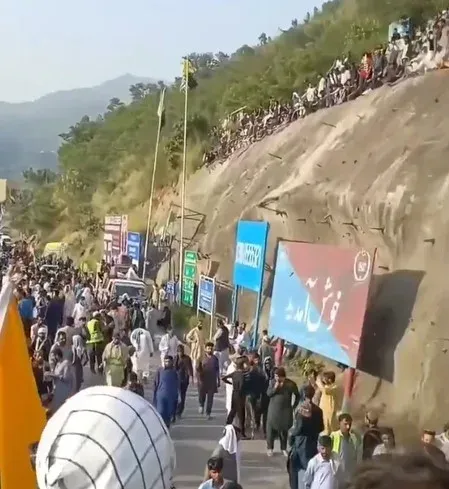
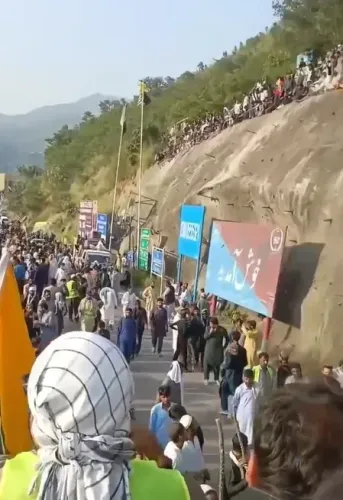
Allegations of large-scale electoral rigging in Pakistan-occupied Kashmir (PoK) are threatening to destabilise the ruling federal coalition in Islamabad, with the Pakistan Muslim League (Nawaz) (PML-N) and the Pakistan People's Party (PPP) trading increasingly open accusations after the 29 July polls. The PML-N's sweep of nine of the 13 contested seats has become the sharpest point of friction in an already strained partnership.
Boycott Call and Pre-Poll Tensions
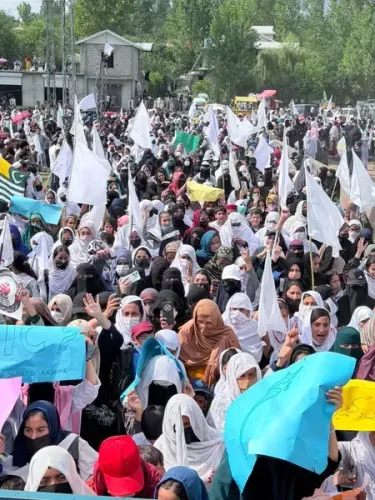
Before voting began, the Joint Action Awami Committee (JAAC) called for a complete boycott of the polls, alleging that the outcome had been predetermined. The call resonated widely, according to reports, amid deep public scepticism over whether the process would be free or fair. Analysts note that the government's failure to address longstanding civic grievances in the region gave the boycott campaign additional momentum.
Rigging Allegations and the Army's Alleged Role
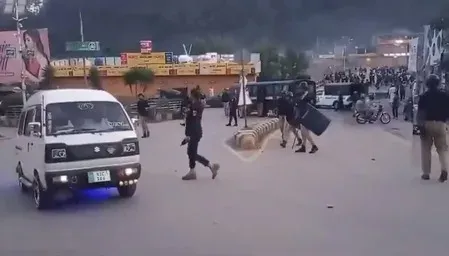
Officials cited in reports alleged that the Pakistan Army and affiliated security agencies had decided in advance to engineer a PML-N victory, viewing the party as a more reliable political partner than the PPP. According to these accounts, security forces in PoK actively assisted PML-N workers in capturing nearly 30 polling stations, with party cadres reportedly brandishing weapons while doing so — and allegedly receiving the full backing of the security apparatus on the ground.
An official described the conduct as a departure from past practice. 'Earlier, such things would be done in a quieter manner. This time around, the rigging was done openly and in a very brazen manner,' the official was quoted as saying.
PPP Strikes Back, Alliance Frays
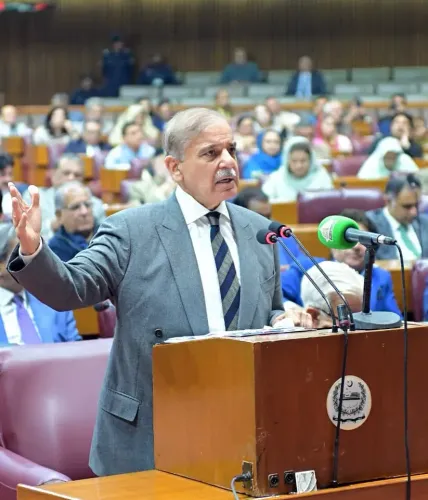
PPP leader Bilawal Bhutto publicly accused the PML-N of leveraging institutional support to tilt the electoral outcome in PoK. Senior PPP figures have also raised objections to the PML-N's handling of security operations in Balochistan and Khyber Pakhtunkhwa (KP), accusing Prime Minister Shehbaz Sharif of unconditionally deferring to the army's positions on those flashpoints as well as on Afghanistan policy.
According to officials, the PPP believes Sharif has conceded too much ground to Army Chief General Asim Munir — including conferring on him the rank of Field Marshal and reportedly backing a substantial increase in defence spending over PPP objections.
A Coalition of Convenience Under Strain
Officials characterised the federal alliance as one held together primarily by a shared interest in keeping former Prime Minister Imran Khan out of power rather than by any genuine policy consensus. 'The manner in which things are shaping up, it seems unlikely that this alliance would be able to hold on for too long. The cracks are already there, and the way events have shaped up in PoK will only further the divide,' one official said.
The political fallout from PoK is now expected to reverberate in Islamabad, testing whether the PML-N and PPP can manage their differences without triggering a broader coalition crisis.
Point of View
Meanwhile, emerges as the coalition's real arbiter — a role that has historically destabilised Pakistani governments regardless of which party benefits in the short term.
NationPress
28 Oct 2026
Frequently Asked Questions
What triggered the rigging allegations in Pakistan-occupied Kashmir?
The allegations arose after the PML-N won nine of 13 seats in the PoK polls held on 29 July, with officials and PPP leaders claiming that Pakistan Army-linked security forces helped PML-N workers capture nearly 30 polling stations. The Joint Action Awami Committee had pre-emptively called for a boycott, alleging the result was fixed in advance.
How has the PPP responded to the PoK election outcome?
PPP leader Bilawal Bhutto publicly accused the PML-N of using institutional support to rig the PoK elections. Senior PPP figures have also raised broader objections to PML-N's deference to the army on Balochistan, Khyber Pakhtunkhwa, and Afghanistan policy.
What role is the Pakistan Army alleged to have played in the PoK polls?
According to officials cited in reports, the army and affiliated agencies had decided in advance to ensure a PML-N victory, viewing the party as a more suitable partner. Security forces on the ground allegedly assisted PML-N cadres in seizing polling stations, with the cadres reportedly armed during the process.
Is the PML-N–PPP federal coalition at risk of collapse?
Officials describe the alliance as a coalition of convenience, held together primarily by shared opposition to former PM Imran Khan rather than policy alignment. The PoK fallout has deepened existing fissures over Balochistan, KP, and defence spending, and observers warn the coalition may struggle to hold together if tensions continue to escalate.
Why is the Pakistan Army seen as favouring the PML-N over the PPP?
According to officials, several factors have strengthened the army's preference for PML-N: Prime Minister Shehbaz Sharif conferred the rank of Field Marshal on Army Chief Asim Munir and reportedly backed a significant increase in defence spending despite PPP opposition. The PPP believes Sharif has given the military establishment too much unchecked influence.