PoK election crackdown: 20 killed as Pakistan deploys snipers on boycott protesters
Synopsis
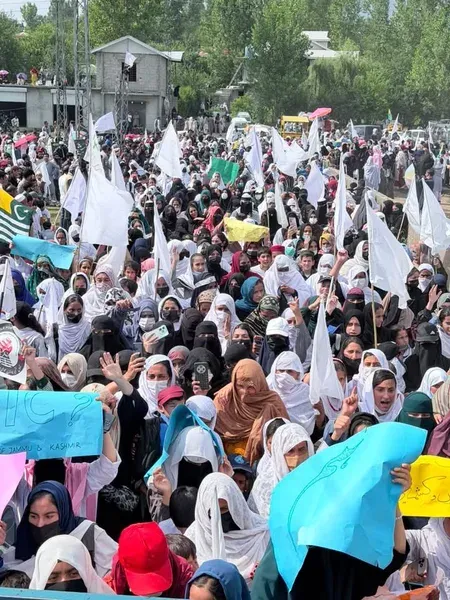
Pakistani security forces, reportedly acting on direct orders from the military establishment, deployed snipers and opened fire on peaceful election boycott protesters in PoK's Rawalakot, killing at least 20 and injuring over 250. With internet and utilities cut and the Awami Action Committee refusing to back down, the crackdown has drawn rare condemnation even from Pakistan's own opposition.
Key Takeaways
Pakistani security forces killed at least 20 people and injured more than 250 in Rawalakot, PoK on 28 July .
Snipers were deployed at multiple locations; live ammunition and long-range tear gas shells were used against protesters.
The Awami Action Committee (AAC) has been leading the boycott of PoK's 13-seat legislative assembly elections .
Field Marshal Asim Munir reportedly ordered security forces to use force if protests continued.
Internet, mobile services, electricity, and water supply were cut across parts of PoK amid the crackdown.
Maulana Fazlur Rehman of Jamiat Ulema-e-Islam (F) condemned the firing, calling it oppression of the people of PoK.
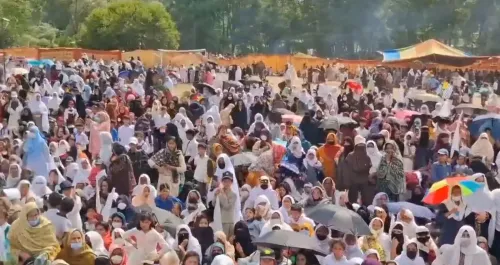
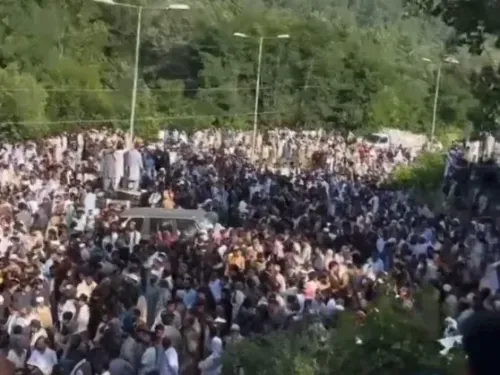
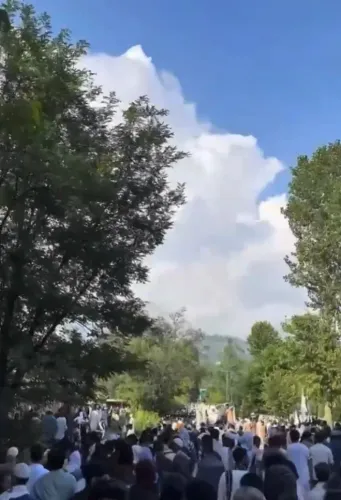
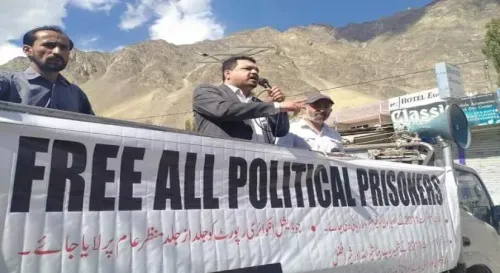
Pakistani security forces opened fire on protesters in Pakistan-occupied Kashmir (PoK) on 28 July, killing at least 20 people and injuring more than 250 others, as a sweeping crackdown targeted demonstrators who had called for a boycott of the ongoing legislative assembly elections in the region. The Awami Action Committee (AAC), which has spearheaded the poll boycott campaign, confirmed the violence, urging international organisations and journalists to amplify the situation.
What Happened in Rawalakot
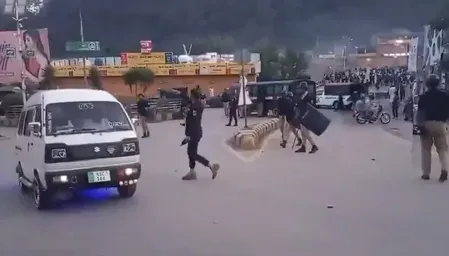
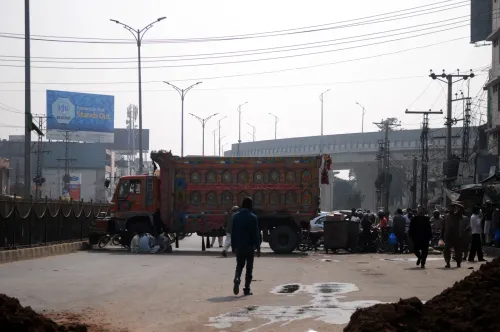
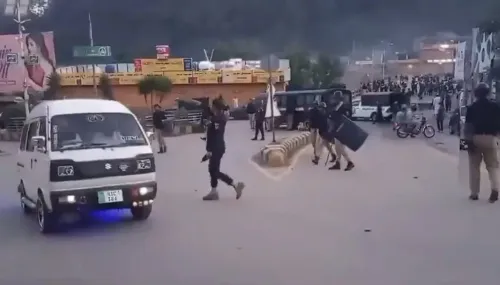
The worst of the violence was reported in the Dreik Eighth area of Rawalakot, where security forces allegedly used live ammunition and long-range tear gas shells against protesters. According to Indian intelligence inputs, snipers were deployed at multiple locations across PoK as the multi-phase election process commenced on Monday. An Intelligence Bureau official described the situation as 'very tense,' noting that thousands remained on the streets with no sign of the unrest subsiding. 'Even the brutalities are highest at this place, and estimates suggest that apart from the death of 20 people, over 250 have been injured in firing by the security forces,' the official said.
Orders to Use Force
Officials indicated that security forces had been explicitly ordered to open fire on those participating in the boycott. Field Marshal Asim Munir had reportedly held meetings with security commanders in the lead-up to the elections, directing them to use force if protests did not subside. A separate official said the protesters had been conducting demonstrations peacefully, but that the Pakistani establishment chose to frame them as a national security threat to justify the crackdown. 'There are no signs of the protests dying down,' officials said.
Communications and Services Blackout
In addition to the deployment of armed forces, the Pakistani establishment suspended internet and mobile services across large parts of PoK. Electricity and water supply were also cut off in several areas, effectively isolating the region from outside communication. The AAC called on journalists and international bodies to report the developments and help build pressure on Islamabad to halt what it described as atrocities against the people of PoK.
Background: Why the Boycott
13 seats are being contested in the current phase of PoK's legislative assembly elections. The boycott call gained significant traction over weeks of protests rooted in longstanding grievances — residents allege that successive governments, regardless of which party wins, have left the region chronically underdeveloped, with Islamabad retaining effective control. Protesters also allege that the Pakistani military routinely rigs elections to install a preferred administration. According to officials, the crackdown has not dampened the movement: 'The people feel they have come this far despite all the might and force being used against them. Hence, it would be futile to give up at this stage.'
Opposition in Pakistan Condemns Crackdown
Maulana Fazlur Rehman, chief of the Jamiat Ulema-e-Islam (F), publicly condemned the firing and accused the establishment of failing the people of PoK. He asserted that residents had every right to protest and that the election had been rigged. 'His party firmly stands with the people of PoK,' he said, urging the establishment to end what he called oppression. The condemnation marks a rare moment of cross-party censure of the Pakistani military's conduct in the disputed territory.
Point of View
With a communications blackout enforced simultaneously, suggests the establishment anticipated significant resistance and prepared accordingly. The rare condemnation from Maulana Fazlur Rehman signals that the crackdown's severity has crossed a political line even within Pakistan. Yet without independent media access — precisely what the internet and utility blackout is designed to prevent — accountability remains elusive and the international response muted.
NationPress
27 Oct 2026
Frequently Asked Questions
What triggered the crackdown on PoK protesters on 28 July?
Pakistani security forces launched a crackdown on protesters who were boycotting the ongoing legislative assembly elections in Pakistan-occupied Kashmir. The Awami Action Committee had called for the boycott, alleging the elections are rigged and that Islamabad keeps PoK deliberately underdeveloped regardless of which party governs.
How many people were killed and injured in the PoK election violence?
At least 20 people were killed and more than 250 were injured, according to an Intelligence Bureau official cited in reports. The worst violence was concentrated in the Dreik Eighth area of Rawalakot.
Who ordered the use of force against PoK protesters?
Officials indicated that security forces were explicitly ordered to open fire on boycott participants. Field Marshal Asim Munir reportedly held meetings with security commanders and directed them to use force if protests did not subside before the elections.
What is the Awami Action Committee and why is it leading the boycott?
The Awami Action Committee (AAC) is a civil society-led coalition in PoK that has been spearheading protests over unaddressed regional grievances, including chronic underdevelopment and allegations of electoral rigging by the Pakistani military. The AAC called the boycott after the establishment failed to respond to its demands.
Has anyone in Pakistan condemned the crackdown?
Yes. Maulana Fazlur Rehman, chief of the Jamiat Ulema-e-Islam (F), publicly condemned the firing, stating that residents had every right to protest and that the election had been rigged. He urged the establishment to stop what he called the oppression of the people of PoK.