PoK unrest lays bare Islamabad's weakening grip amid crackdown
Synopsis
Pakistan's simultaneous ban on the JAAC and announcement of PoK elections on June 5 was, according to The Diplomat, almost certainly coordinated — a military-backed move to suppress organised dissent before July 27 polls. With dozens dead, thousands marching in London, and electricity and wheat prices stoking fury, Islamabad's grip on PoK looks shakier than at any point in recent memory.
Key Takeaways
Pakistani security forces killed dozens of protesters in Pakistan-occupied Kashmir (PoK) during a crackdown on governance demonstrations this month.
Authorities announced PoK legislative elections for July 27 on June 5 , simultaneously banning the Joint Awami Action Committee (JAAC) as a 'terrorist organisation.' The JAAC called a 'wheel-jam strike' on June 9 in response to the ban, election announcement, and a court ruling on 12 reserved seats .
Rising costs of fuel, wheat, and electricity have been major economic drivers of unrest over the past two years.
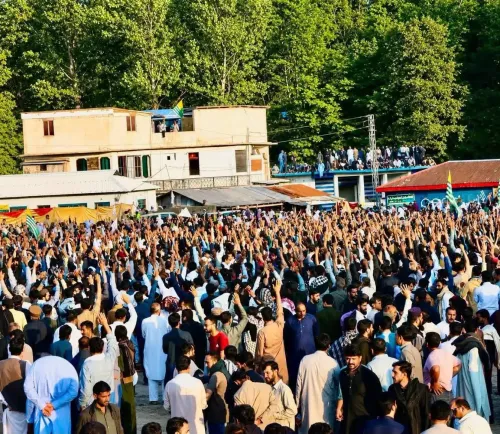
Thousands of Kashmiri diaspora members marched in London to protest Pakistan 's actions in PoK .
According to The Diplomat , the crisis exposes a 'weakening social contract' and the limits of Islamabad 's authority in the region.
Residents of Pakistan-occupied Kashmir (PoK) are facing a deepening political crisis, as a violent crackdown by Pakistani security forces on governance protesters has resulted in dozens of deaths, drawn international condemnation, and exposed the fragility of Islamabad's authority in the region, according to a report by the online magazine The Diplomat. The unrest, driven by economic hardship and demands for political representation, shows no sign of abating ahead of scheduled legislative assembly elections.
The Crackdown and Its Trigger
The confrontation between protesters and security forces in PoK this month marked a sharp escalation in long-simmering public discontent. Authorities announced elections in the region on June 5, scheduling the vote for July 27 — and simultaneously banned the Joint Awami Action Committee (JAAC), a broad coalition of lawyers, traders, transporters, and civil society activists, accusing it of involvement in 'terrorism.'
According to The Diplomat, the timing of these twin announcements is 'unlikely to be coincidental.' The report suggests that local authorities, 'almost certainly acting under instruction from Islamabad and more specifically Pakistan's military establishment,' moved swiftly to curtail organised dissent ahead of the polls by targeting the region's most influential protest movement.
What Is Driving the Unrest
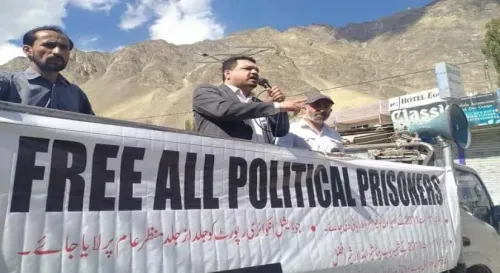
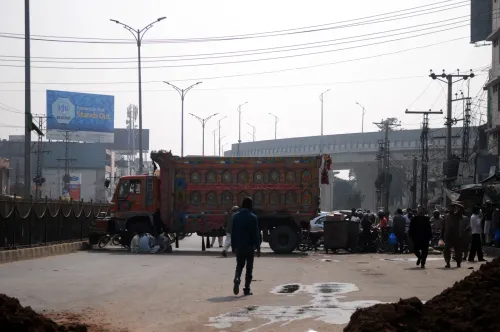
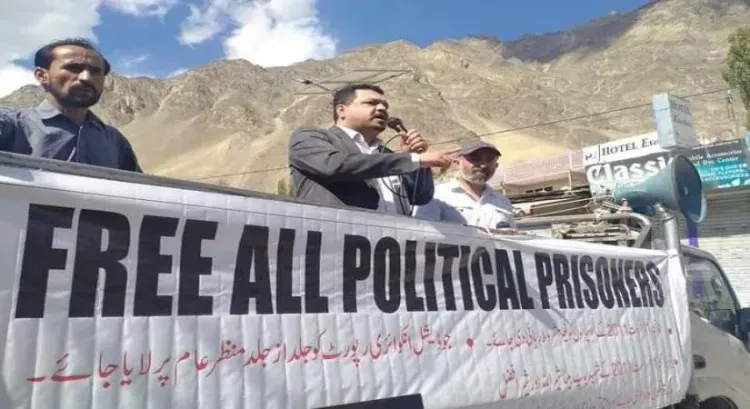
The JAAC's designation as a terrorist organisation did not silence it. The group responded by calling a 'wheel-jam strike' on June 9, protesting the ban, the election announcement, and a judicial decision upholding 12 reserved seats in the assembly.
The reserved seats dispute is only one strand of a wider web of grievances, the report noted. Economic hardship has been a persistent driver of protest over the past two years, with rising costs of fuel and wheat fuelling public anger. Electricity prices are a particularly sensitive flashpoint — PoK holds vast hydropower resources, yet residents widely perceive that local communities have not benefited proportionately from the energy they generate.
'Overt election interference has been compounded by sharp increases in the price of fuel and wheat and has contributed to a perception that continued subordination to the federal government has delivered few benefits to residents,' The Diplomat reported.
International Condemnation and Diaspora Protests
The crackdown has triggered widespread outrage beyond the region. Thousands of protesters marched through the streets of London, voicing opposition to the actions of Pakistani security forces. The demonstrations reflect the growing mobilisation of the Kashmiri diaspora, which has amplified scrutiny of Islamabad's conduct in PoK on an international stage.
Political Fallout for Islamabad
With legislative elections due at the end of July, the unrest presents a significant domestic challenge for the Pakistani government — one that, according to the report, 'cannot be obscured by diplomatic outreach or efforts to project itself as a peacemaker.' The crisis has laid bare what The Diplomat describes as a 'weakening social contract' between Islamabad and the people of PoK.
Despite its ban, the JAAC and similar movements are expected to continue challenging the status quo, the report concluded. As long as economic grievances remain unaddressed and political representation stays curtailed, public dissent in PoK is likely to remain a potent and recurring force.
Point of View
Not accommodation. What mainstream coverage underplays is the electricity paradox: a region that generates hydropower for Pakistan at scale but cannot afford its own electricity bills is a political time bomb that predates the JAAC and will outlast it. With July 27 elections approaching under a cloud of coercion, any outcome will lack legitimacy in the eyes of a population that has watched its grievances met with bans and bullets. The diaspora mobilisation in London signals that this is no longer a story Islamabad can contain within its borders.
NationPress
19 Sept 2026
Frequently Asked Questions
What triggered the current unrest in Pakistan-occupied Kashmir?
The immediate trigger was a violent crackdown by Pakistani security forces on protesters demanding governance reform in PoK, which resulted in dozens of deaths. Underlying drivers include rising prices of fuel, wheat, and electricity, as well as long-standing grievances over political representation and the perceived lack of local benefit from the region's hydropower resources.
Why was the JAAC banned by Pakistani authorities?
The Joint Awami Action Committee (JAAC) was banned on June 5 by Pakistani authorities, who accused it of involvement in 'terrorism.' According to The Diplomat, the ban — announced simultaneously with the July 27 election date — was almost certainly designed to suppress organised dissent ahead of the polls, with local authorities acting under instruction from Islamabad and Pakistan's military establishment.
When are the PoK legislative assembly elections scheduled?
Legislative assembly elections in Pakistan-occupied Kashmir are scheduled for July 27, as announced by authorities on June 5. The announcement coincided with the ban on the JAAC, which critics say was intended to curtail the public's capacity to organise before the vote.
How has the international community responded to the PoK crackdown?
The crackdown has drawn widespread international condemnation. Thousands of members of the Kashmiri diaspora marched through the streets of London to protest the actions of Pakistani security forces, amplifying global scrutiny of Islamabad's conduct in the region.
What is the significance of the electricity dispute in PoK?
Electricity prices are a particularly sensitive issue in PoK because the region holds vast hydropower resources, yet residents widely believe their communities have not benefited proportionately from the energy they generate. This perception of resource exploitation by the federal government has been a major driver of economic grievance and protest over the past two years, according to The Diplomat.