PoK political crisis exposes 'profound disconnect' between people and Islamabad
Synopsis
Islamabad's ban on the JAAC and deployment of lethal force in PoK isn't just a law-and-order crackdown — it is, according to a new report, the starkest evidence yet of a military establishment willing to use a 'killing spree' to preserve a political structure that keeps the region among Pakistan's least developed. With elections due on 27 July, the report sees a puppet regime, not reform, on the horizon.
Key Takeaways
Pakistani authorities banned the Joint Awami Action Committee (JAAC) on 5 June , labelling it a 'terrorist' organisation, triggering a surge in unrest that has left dozens dead .
The International Centre for Peace Studies report describes PoK's regional administration as 'toothless' and entirely subservient to Islamabad .
The party in power in Islamabad has consistently won elections in both PoK and Pakistan-occupied Gilgit-Baltistan (PoGB) — a pattern the report calls far from coincidental.
JAAC leader Shaukat Nawaz Mir posted on X that the 'State has begun a massacre of our people in Rawalakot.' General Elections in PoK are scheduled for 27 July ; the report warns they are likely to cement a 'puppet regime' aligned with Pakistan's military establishment.
Despite decades of shared-party governance, PoK remains among Pakistan's 'least developed and exploited' regions, the report notes.
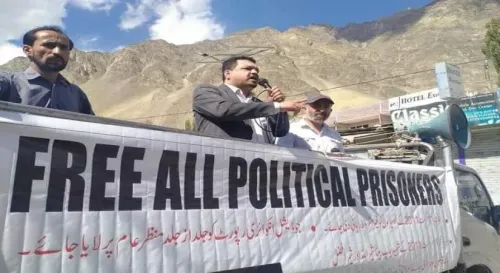
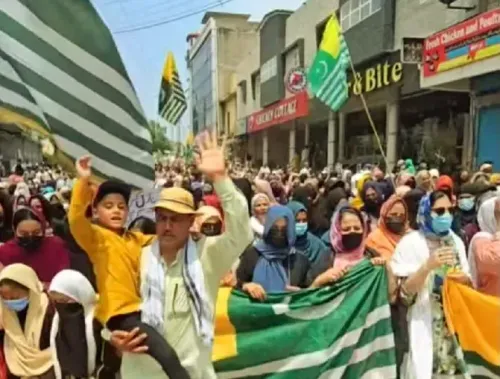
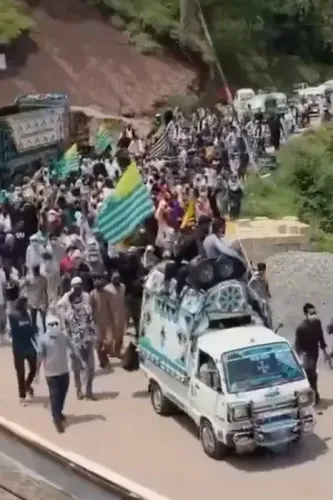
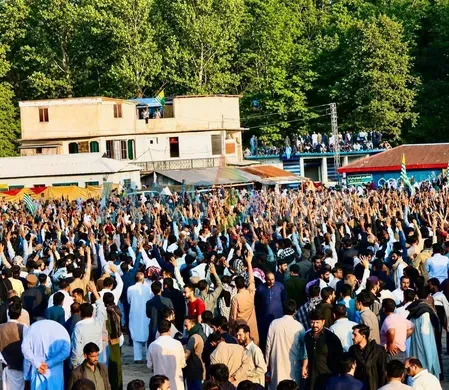
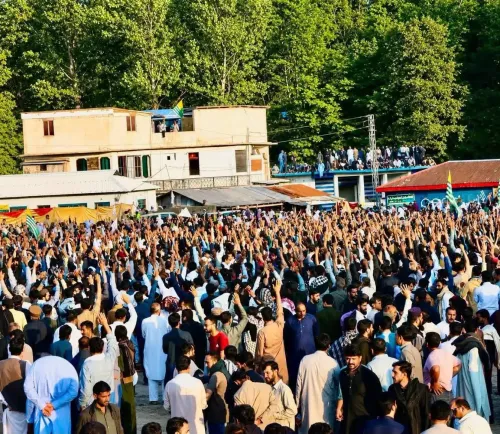
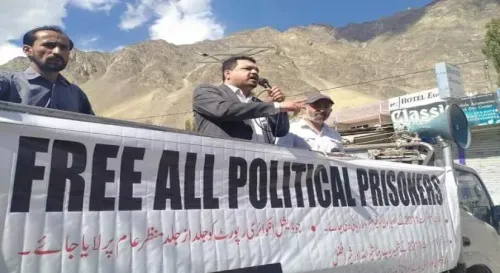
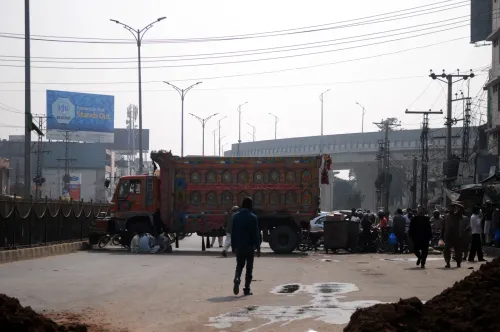
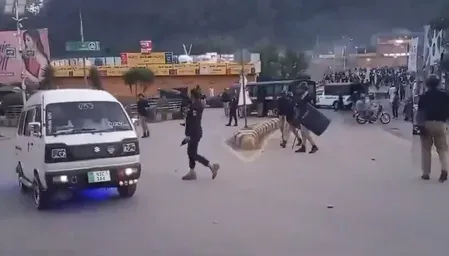
The deepening political crisis in Pakistan-occupied Kashmir (PoK) has laid bare a profound disconnect between the region's population and a regional administration widely described as 'toothless' and entirely subservient to Islamabad, according to a report by the International Centre for Peace Studies. The unrest, which has left dozens dead, has intensified following Islamabad's decision to ban the Joint Awami Action Committee (JAAC) on 5 June and deploy lethal force against protesters.
The Ban That Sparked the Unrest
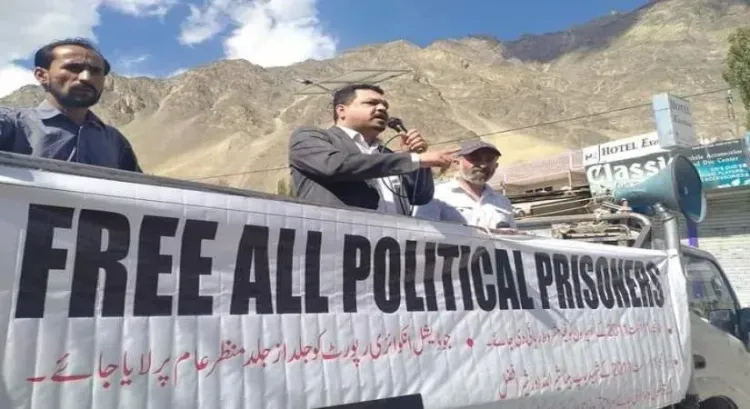
Pakistani authorities outlawed the JAAC — a grassroots resistance group — on 5 June, branding it a 'terrorist' organisation. The move was widely seen as an attempt to suppress organised local dissent. According to the report, Islamabad has historically exercised political control over PoK through Pakistan's mainstream parties, which have dominated the region's governance for decades, while steadily shrinking the space available to indigenous political movements.
The report argues that the decision to deploy lethal force reflects a broader military-driven strategy to crush genuine local resistance and demands for political reform — not an isolated law-and-order response.
Elections as a Facade, Not a Fix
The report highlights a telling pattern: the party in power in Islamabad has consistently won elections in both PoK and Pakistan-occupied Gilgit-Baltistan (PoGB) — an outcome it argues can 'hardly be dismissed as mere coincidence.' It characterises the electoral process as a 'facade', noting that conditions on the ground compel locals to align with whichever party holds federal power.
The report further notes that if shared party control between the federal and regional levels were genuinely conducive to better governance, PoK should have emerged as one of Pakistan's more developed regions. Instead, it remains among the 'least developed and exploited' — a characterisation that also applies to PoGB.
Violence and the Military Establishment's Role
JAAC leader Shaukat Nawaz Mir wrote on X that the 'State has begun a massacre of our people in Rawalakot', drawing attention to what the report describes as an unprecedented scale of violence by Pakistani authorities in the region. The report characterises this as the first instance of such large-scale violence by Islamabad specifically aimed at suppressing local resistance in PoK.
According to the report, Pakistan's military establishment has demonstrated a willingness to go to 'any extent' — including resorting to a 'killing spree' — to preserve the existing political order in the region.
What the July 27 Elections Could Mean
With General Elections in PoK scheduled for 27 July, the report warns that the vote is unlikely to bring structural change. It concludes that the elections are highly likely to perpetuate the cycle of violence, entrenching a 'puppet regime' aligned with the military establishment's centralising agenda while 'completely ignoring the real grievances of the Kashmiri people.'
The report adds that Islamabad's interference in local politics makes it 'unlikely' that it would be willing to alter the existing political structure in any meaningful way. As the election date approaches, the trajectory — according to the report — points toward continuity of control, not reform.
Point of View
A product of a political architecture designed in Islamabad. The July 27 elections, far from being a pressure valve, risk becoming a legitimisation exercise for continued military control — and the international community's silence on that dynamic is itself a form of complicity.
NationPress
26 Sept 2026
Frequently Asked Questions
Why has Pakistan banned the JAAC in PoK?
Pakistani authorities outlawed the Joint Awami Action Committee (JAAC) on 5 June, designating it a 'terrorist' organisation. According to the International Centre for Peace Studies report, the ban is part of a broader military-driven strategy to suppress organised local resistance and demands for political reform in Pakistan-occupied Kashmir.
How serious is the unrest in PoK?
The unrest has left dozens dead following the ban on the JAAC and the deployment of lethal force by Pakistani authorities. JAAC leader Shaukat Nawaz Mir posted on X that the 'State has begun a massacre of our people in Rawalakot', describing the violence as unprecedented in scale.
Why does the report call PoK elections a 'facade'?
The report argues that the conditions created by Islamabad compel locals to align with whichever party holds federal power, explaining why the ruling party in Islamabad has consistently won elections in both PoK and Pakistan-occupied Gilgit-Baltistan. It concludes this pattern cannot be attributed to coincidence or genuine democratic choice.
What are the July 27 PoK elections expected to change?
Very little, according to the report. It warns that the upcoming General Elections in PoK on 27 July are highly likely to perpetuate the cycle of violence and entrench a 'puppet regime' aligned with Pakistan's military establishment, while ignoring the real grievances of the Kashmiri people.
Why does PoK remain underdeveloped despite decades of governance?
The report highlights this as a central contradiction: if shared-party control between Islamabad and PoK were genuinely beneficial, the region should be among Pakistan's most developed. Instead, it remains among the least developed and exploited — a condition the report attributes to Islamabad's centralising political control rather than any failure of resources or intent.