Amnesty urges Pakistan to restore PoK communications after poll violence
Synopsis
With mobile internet suspended since 5 June and security forces reportedly killing 20 election boycotters in Rawalakot, Amnesty International is demanding Pakistan restore communications and allow independent observers into PoK — calling the violence consistent with Islamabad's 'long history of unlawful force' against protesters in the region.
Key Takeaways
Amnesty International on 28 July urged Pakistan to restore internet and communications in Rawalakot, PoK and allow media access.
Security forces reportedly killed 20 people who were boycotting regional elections, according to reports; independent verification is blocked by the communications blackout.
Violence was also reported in Kotli , where a political worker was killed in a clash between rival party supporters.
Mobile internet in PoK has been suspended since 5 June — nearly two months before the election.
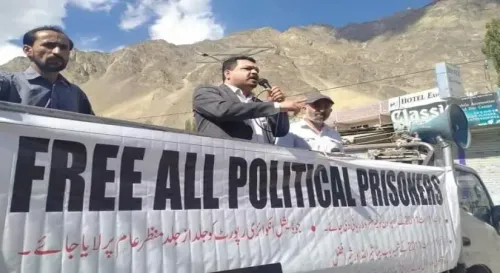
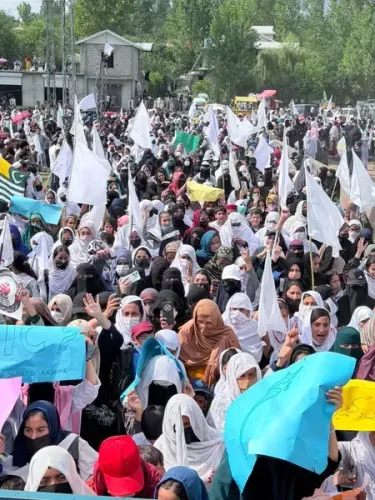
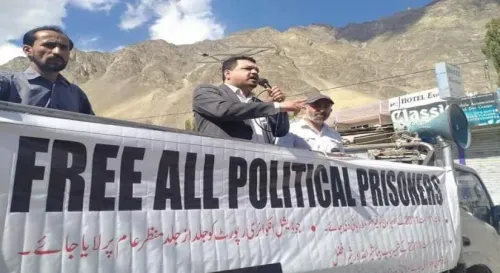
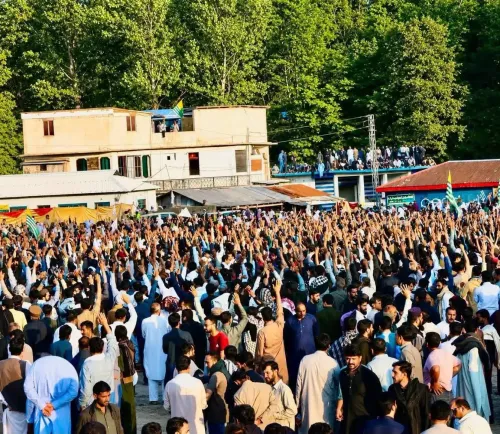
The Joint Awami Action Committee (JAAC) , which led the election boycott, has been banned by Pakistani authorities under anti-terror laws, a move Amnesty calls 'unlawful.' Amnesty is demanding a prompt, independent, and transparent investigation into security forces' use of lethal force against protesters.
Amnesty International on Tuesday, 28 July called on Pakistani authorities to immediately restore internet and mobile communications in Rawalakot, Pakistan-occupied Kashmir (PoK), and allow independent media and observers into the region following reports of lethal force used against protesters on the first day of regional elections.
What Amnesty International Said
Isabelle Lassee, Amnesty International's Acting Regional Director for South Asia, described reports emerging from Rawalakot as 'disturbing' and said they are consistent with Pakistani authorities' 'long history of unlawful violence against protesters in PoK.' She demanded that a prompt, independent, and transparent investigation be ordered into the security forces' use of force.
'So long as an internet and mobile services blackout remains in place, it will severely impede the independent verification of the full extent of the situation on the ground. We urge the Pakistani authorities to restore all communications access and allow media and independent observers into the area,' Lassee said.
Violence on Election Day
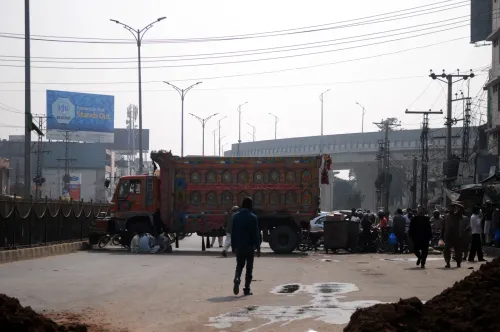
According to an Amnesty International statement dated 27 July, violence was reported in Rawalakot — specifically in the Dreik Eighth area — where security forces targeted protesters, as well as one incident in Kotli, where a political worker was reportedly killed during a clash between supporters of rival parties. Security forces have reportedly killed 20 people who were boycotting the elections, according to reports, though independent verification remains hampered by the ongoing communications blackout.
The JAAC Ban and Its Role
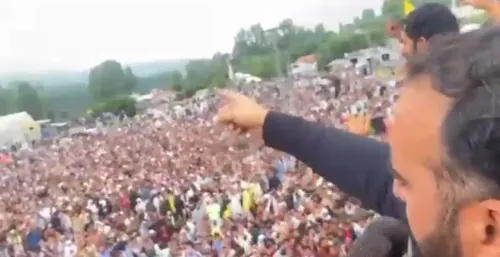
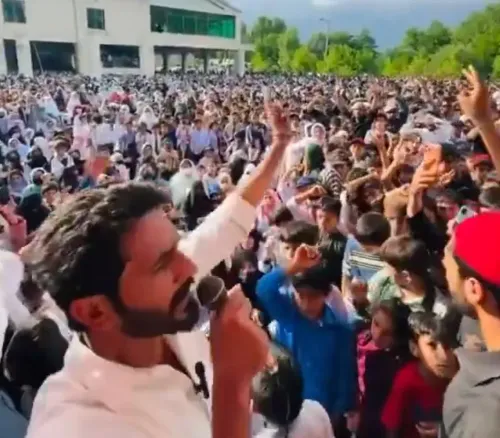
Lassee noted that tensions around the election have been further inflamed by what she described as the 'unlawful ban' on the Joint Awami Action Committee (JAAC), a protest movement that has been spearheading calls to boycott the ongoing polls. Amnesty International has repeatedly called on Pakistani authorities to lift the ban and stop using anti-terror laws to silence and arbitrarily detain JAAC members and supporters.
'The ban cannot be used as an excuse to mete out deadly violence against protesters,' Lassee said. Pakistani security forces have primarily targeted the Awami Action Committee (AAC), which has been leading the election boycott campaign in the region.
Communications Blackout Since June
Mobile internet services in PoK have remained suspended since 5 June, according to reports — a blackout that rights groups say is being used to suppress independent reporting of the ground situation. The suspension predates the election by nearly two months, raising concerns about a systematic effort to limit scrutiny ahead of the polls.
What Happens Next
With communications still cut and independent observers blocked from entering, the full scale of the violence remains unverified. Amnesty International's call for a transparent investigation puts fresh international pressure on Islamabad at a time when scrutiny of conditions in PoK is already intensifying. Whether Pakistani authorities respond — or continue the blackout — will be closely watched by human rights organisations and regional observers alike.
Point of View
Banning the primary opposition movement under anti-terror law, and then using lethal force against boycotters follows a pattern that Amnesty itself describes as consistent with Islamabad's history in the region. What is missing from most coverage is the timeline: the blackout predates the election by nearly two months, suggesting the suppression was planned, not reactive. International calls for investigation carry weight only if they are backed by diplomatic pressure — and on PoK, that pressure has historically been muted.
NationPress
27 Oct 2026
Frequently Asked Questions
What did Amnesty International say about Pakistan and PoK?
Amnesty International on 28 July urged Pakistani authorities to restore internet and mobile communications in Rawalakot, PoK, and allow independent media and observers into the area. The organisation's Acting Regional Director for South Asia, Isabelle Lassee, called reports of lethal force against protesters 'disturbing' and demanded a transparent investigation.
How many people were reportedly killed in Rawalakot?
Security forces have reportedly killed 20 people who were boycotting the regional elections in PoK, according to reports available as of 28 July. Independent verification of this figure remains hampered by the ongoing communications blackout in the region.
Why has internet been shut down in PoK?
Mobile internet services in PoK have been suspended since 5 June, according to reports — predating the election by nearly two months. Rights groups argue the blackout is being used to suppress independent reporting and limit scrutiny of the security situation.
What is the Joint Awami Action Committee (JAAC) and why is it banned?
The JAAC is a protest movement that has been leading calls to boycott the ongoing regional elections in PoK. Pakistani authorities have banned it and invoked anti-terror laws against its members, a move Amnesty International has repeatedly called unlawful and demanded be reversed.
What is Amnesty International asking Pakistan to do?
Amnesty International is calling on Pakistani authorities to restore all communications access, allow media and independent observers into Rawalakot, lift the ban on the JAAC, and order a prompt, independent, and transparent investigation into the security forces' use of lethal force against protesters.