PoK's Rawalakot mourns its dead as anger mounts over Islamabad's crackdown
Synopsis
Rawalakot's shuttered shops and rose-strewn memorials tell a story Islamabad is trying to suppress: over 100 people reportedly killed in PoK's most serious civilian-state confrontation in decades. What began as anger over electricity bills has become a full-blown demand for political reform — and the world is only now starting to hear about it.
Key Takeaways
Memorials and shuttered shops mark Rawalakot in PoK following months of deadly clashes between residents and Pakistani security forces .
Human rights activists estimate over 100 people have been killed, with several more injured, though figures remain unverified due to restrictions.
Eyewitnesses Haji Hasan Azizi and Mumtaz Khan described security forces firing on unarmed civilians and bullets piercing residential walls.
The Joint Awami Action Committee (JAAC) has appealed to international human rights organisations and media to monitor the situation.
Islamabad has imposed internet and mobile shutdowns, blocked food deliveries, and cut electricity to some areas, according to locals.
The protests began over rising electricity tariffs and commodity prices before expanding into demands for political reform and representative governance.
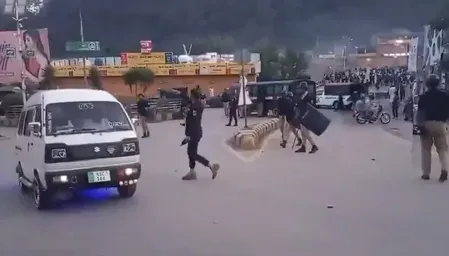
Memorials lined with red roses have appeared on the streets of Rawalakot in Pakistan-occupied Kashmir (PoK), as shops remain shuttered and grief hardens into fury over months of deadly clashes between local residents and Pakistani security forces. According to reports, human rights activists estimate that over 100 people have been killed and several more injured since the confrontations began — though the precise toll remains unverified due to sweeping restrictions imposed by Islamabad.
Eyewitness Accounts From the Ground
Haji Hasan Azizi, a Rawalakot resident, told the Australian Broadcasting Corporation (ABC) that roughly three weeks ago he watched security officials with large guns 'firing indiscriminately on unarmed people' on the street outside his home. 'We picked up the dead bodies; we put them in ambulances and carried some on our shoulders... This is the spot where a boy was martyred. His name was Noman. He was from Singola village, two to three kilometres away from here,' Hasan said.
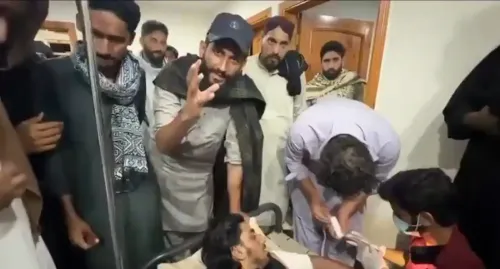
Another resident, Mumtaz Khan, told the ABC he witnessed tear gas being fired by police, followed by bullets so large they left holes in the walls of his home. Locals also told the network that many of the injured were taken to private homes for treatment because hospitals had closed during the unrest.
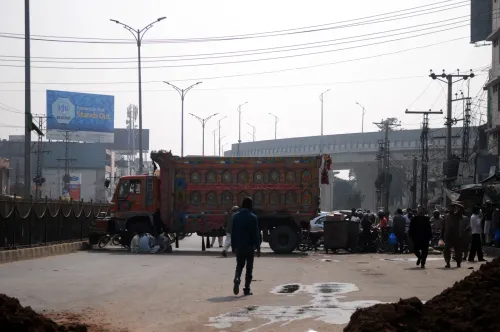
Hasan added that civilians were caught off guard by the scale of force: 'We provided whatever treatment [we could]… we covered their wounds with our scarves. We [only] thought they would use tear gas. We had sticks and stones in our hands.' He further noted that authorities were blocking food deliveries into the region and had cut electricity to some areas.
Protests Spread Across PoK
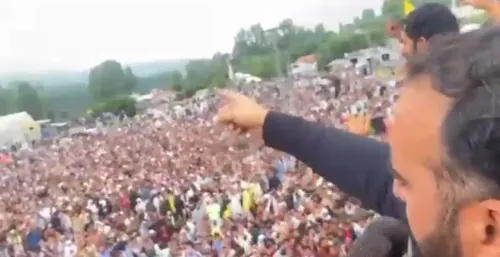
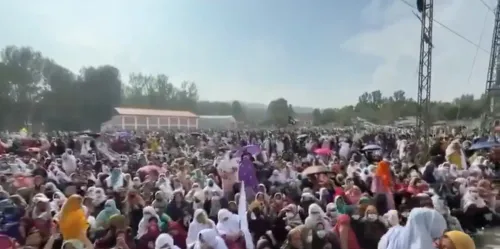
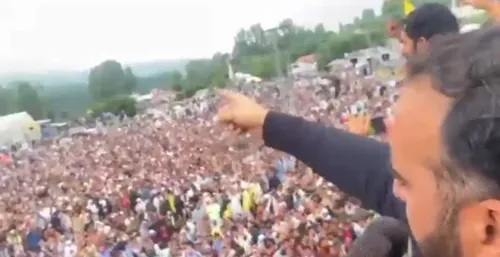
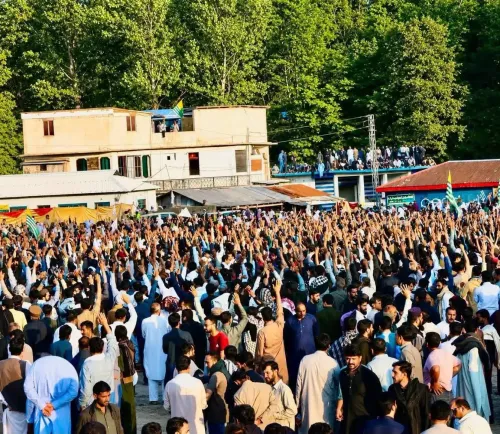
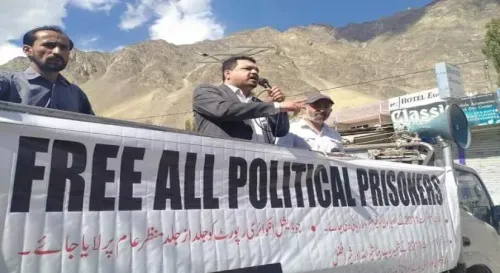
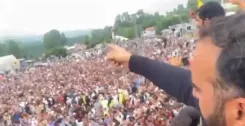
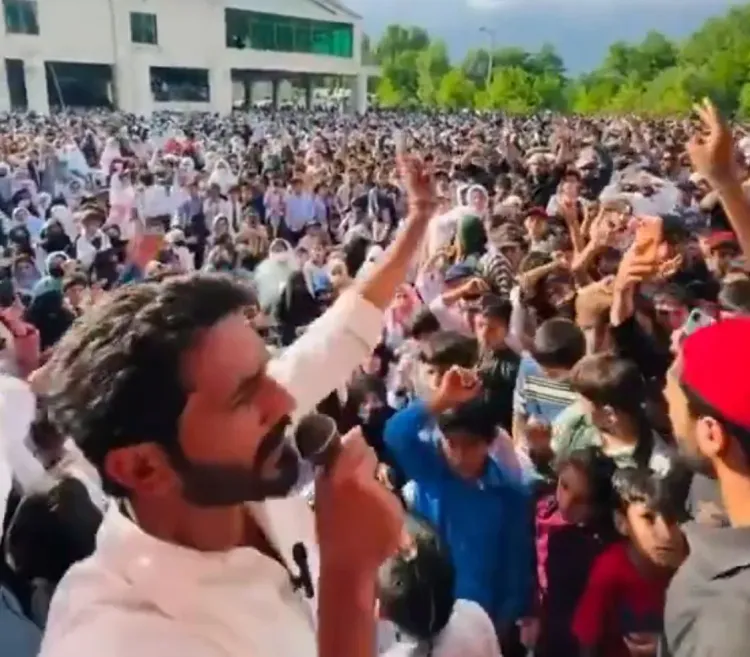
Thousands gathered across Muzaffarabad, Rawalakot, Bokhara, and Mandhol in protest rallies on Thursday, with demonstrators slamming what they described as brutal violence by Pakistani forces over the preceding months. Large contingents of women and children carrying flags participated in Bokhara, chanting slogans including 'inqilab ayega' (revolution will come). A similar rally drew thousands in the Mandhol area of PoK's Poonch district.
The Joint Awami Action Committee (JAAC), which has been leading the protest movement, posted on X: 'Once again, the people of Rawalakot took to the streets in support of the Action Committee and raised their voices against the forces' brutal violence.'
JAAC's Appeal to International Bodies
Last week, the JAAC urged international human rights organisations and media to closely monitor the situation. In a statement shared on X alongside a video showing a man receiving treatment for a gunshot wound, the committee said: 'Two people have been injured following firing by security forces in Rawalakot. The use of force against civilians is deeply alarming. We call for an immediate end to violence and urge international human rights organisations and the media to closely monitor the situation on the ground.'
The ABC also reported that local journalists working as 'fixers' for foreign media have been restricted from gathering information, compounding a broader internet and mobile coverage shutdown imposed by Pakistani authorities.
Roots of the Unrest
The current wave of protests — described by observers as the most extensive confrontation between PoK's local population and the Pakistani state in decades — initially erupted over soaring electricity tariffs and the rising cost of essential commodities. Over time, the movement evolved into a broader demand for political reforms, greater accountability, and representative governance. The central bus station in Rawalakot has, according to the ABC, been filled with hundreds of protesters driven by grief and anger since the alleged shootings began.
With information flows tightly controlled and independent verification near-impossible, the full human cost of the crackdown in PoK remains unclear — but pressure from civil society and diaspora groups for international scrutiny is growing.
Point of View
Bullet holes in residential walls, hospitals that turned away the wounded — represent a governance failure that Islamabad has so far managed to contain through information blackouts rather than accountability. The protest movement's evolution from a utility-price grievance to a demand for representative government is a textbook pattern of state neglect compounding into political crisis. What is striking is how little international attention this has received relative to the scale of the alleged violence: over 100 deaths in a disputed territory, verified by no one because independent access has been blocked. The JAAC's appeal to global human rights bodies is less a diplomatic move and more an admission that domestic redress has been exhausted.
NationPress
1 Oct 2026
Frequently Asked Questions
What is happening in Rawalakot, PoK?
Rawalakot, a city in Pakistan-occupied Kashmir, has been the epicentre of months-long protests against Pakistani security forces, with human rights activists estimating over 100 people killed in clashes. Shops remain closed, memorials have appeared on the streets, and the Pakistani authorities have imposed internet and mobile shutdowns to restrict information flow.
Why are people protesting in Pakistan-occupied Kashmir?
The protests initially erupted over soaring electricity tariffs and the rising cost of essential commodities. Over time, the movement expanded into broader demands for political reforms, greater accountability, and representative governance — making it the most significant civilian-state confrontation in PoK in decades.
What is the Joint Awami Action Committee (JAAC)?
The JAAC is the coalition that has been leading the protest movement in PoK. It has called for an immediate end to violence and urged international human rights organisations and media to monitor the situation on the ground, citing the use of live fire against civilians.
How many people have been killed in the PoK clashes?
According to several human rights activists, over 100 people have reportedly been killed and many more injured during the ongoing clashes. The exact figure cannot be independently verified because Pakistani authorities have imposed internet and mobile shutdowns and restricted journalist access to the region.
What restrictions has Islamabad imposed in PoK?
Pakistani authorities have shut down internet and mobile services, blocked food deliveries into parts of the region, cut electricity to some areas, and restricted local journalists from gathering information for foreign media outlets, according to residents and reports from the Australian Broadcasting Corporation.