PoK unrest: Security forces open fire as midnight crackdown deepens crisis
Synopsis
Pakistani security forces allegedly opened fire on protesters in Rawalakot as a midnight crackdown deepened a 50-day-old agitation in PoK. With over 40 reportedly killed, women and children still at protest sites, and demonstrators planning a march to Muzaffarabad, the crisis is expanding beyond anything Pakistan has previously managed to contain — and a fractured ruling coalition is making it worse.
Key Takeaways
Security forces allegedly opened fire on protesters in Rawalakot, PoK , during a midnight crackdown on 3 August .
More than 40 persons have reportedly been killed by security forces since the protests began.
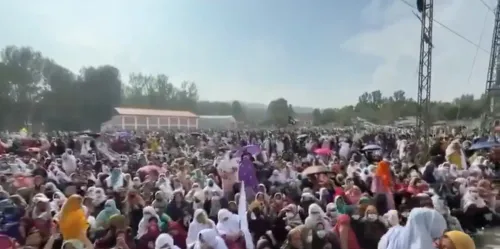
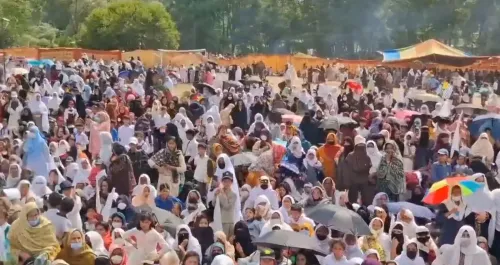
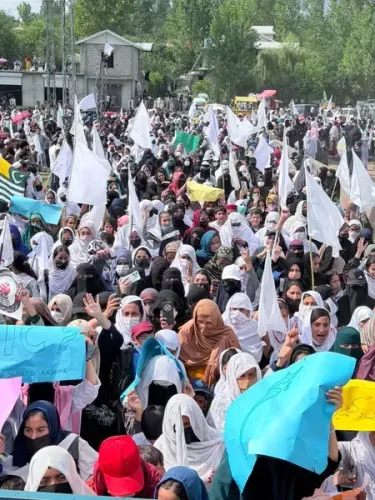
Women and children have remained at protest sites for over 50 days , with more joining on Sunday.
Protesters allege the PoK elections were rigged, with Field Marshal Asim Munir accused of engineering a military-aligned leadership.
The PPP has accused the PML-N of colluding with the Pakistan Army to manipulate the electoral outcome.
Demonstrators plan to march to Muzaffarabad ; experts warn the situation is likely to worsen further.
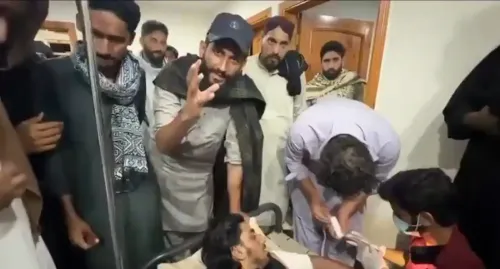
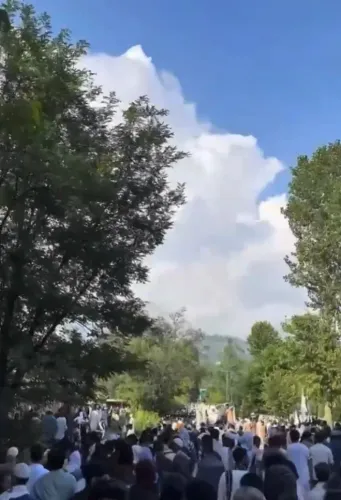
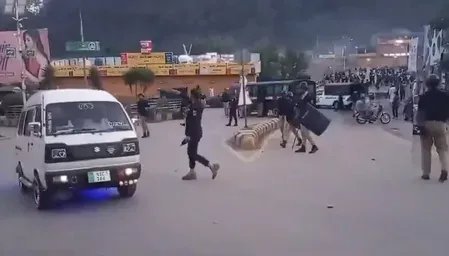
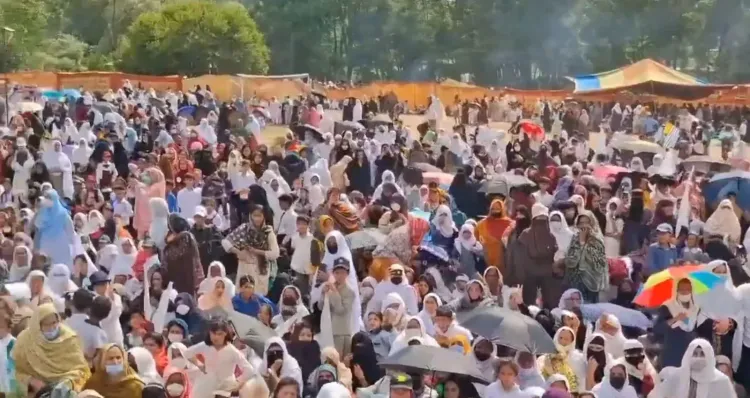
The situation in Pakistan-occupied Kashmir (PoK) deteriorated sharply overnight on 3 August as protesters refused to stand down and security forces allegedly opened fire on demonstrators in Rawalakot, with reports indicating that women and children were among those present at protest sites when gunfire broke out.
Midnight Crackdown and Gunfire Reports
According to an Intelligence Bureau official, security forces launched a midnight crackdown on protesters, with gunfire reported in Rawalakot. The official noted that scores of women and children had remained at protest sites for the past 50 days, with dozens more joining the agitation on Sunday. Officials say that security personnel have been instructed to carry out intermittent firing at protest sites at regular intervals, reportedly to intimidate demonstrators into dispersing.
'The fear is that a desperate Pakistan may start targeting women and children only to spread fear among the people in the region. They can go to any lengths to put down the protests, and this could result in a human tragedy of an unimaginable level,' an official said.
Death Toll and Scale of Unrest
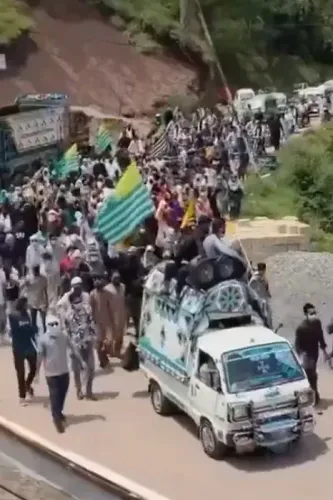
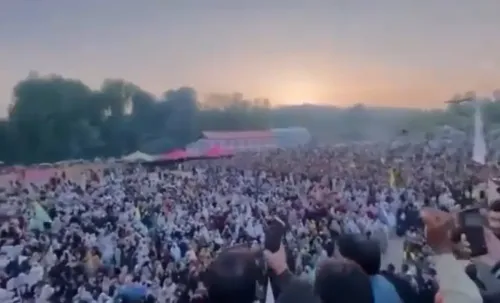
An official stated that more than 40 persons have been killed by security forces to date. Pakistan has continued to deploy additional security personnel at protest sites across the region, even as the agitation spreads beyond its original flashpoints. The unrest, which began in Rawalakot, has now spread across Pakistan-occupied Kashmir, with people from across the region joining the agitation, according to officials.
Origins of the Protest Movement
The protests were initially triggered by demands for better public amenities and greater development in the region. They intensified following the commencement of the electoral process in PoK, with protesters and opposition leaders alleging that the elections were heavily manipulated. Demonstrators allege that Pakistan's extensive interference in PoK's administration has undermined democratic processes and left the region chronically underdeveloped.
Protesters have announced plans to march to Muzaffarabad to voice their opposition to what they describe as a rigged election. Notably, the allegedly manipulated poll has also deepened fault lines within Pakistan's ruling coalition, with tensions surfacing between the Pakistan Muslim League-Nawaz (PML-N) and the Pakistan Peoples Party (PPP).
Political Fallout and Military Influence
The PPP has accused the PML-N of colluding with the Pakistan Army to rig the elections. Protesters and opposition leaders further allege that Field Marshal Asim Munir is seeking tighter control over PoK by engineering the installation of a military-aligned leadership in the region. Officials warn that the new government in PoK will find it extremely difficult to function given widespread public awareness of the alleged rigging.
Experts note that while Pakistan has previously suppressed unrest in PoK — either through force or unfulfilled political promises — the current movement appears more determined and geographically broader than past episodes. 'This time, the situation is different. The people of the region are determined to make their voices heard, even if it comes at a very high cost,' an official said.
What Happens Next
Officials assess that PoK will continue to remain on edge. Experts say that the completion of the electoral process is unlikely to restore normalcy in the near term and that conditions may worsen further. As the protests expand and larger crowds mobilise, Pakistani security forces will face an increasingly difficult task containing the unrest, according to officials tracking the situation.
Point of View
But the geographic spread of the current movement and the presence of women and children at protest sites for 50 consecutive days signals a different order of public resolve. The PML-N and PPP fracturing over election-rigging allegations is a significant internal complication that Islamabad cannot simply suppress. If Field Marshal Asim Munir's reported grip-tightening strategy is accurate, it risks converting a development-and-governance protest into a direct confrontation with military authority — a far harder thing to walk back.
NationPress
18 Sept 2026
Frequently Asked Questions
What triggered the protests in Pakistan-occupied Kashmir?
The protests began with residents of PoK demanding better public amenities and greater development. They intensified after the electoral process in the region commenced, with demonstrators alleging the elections were heavily rigged and that Pakistan's interference has left PoK chronically underdeveloped.
How many people have been killed in the PoK crackdown?
According to officials, more than 40 persons have been killed by security forces to date. The figure has not been independently verified, and Pakistan has not publicly confirmed the toll.
Why did security forces allegedly open fire in Rawalakot?
Officials say security personnel have been instructed to carry out intermittent firing at protest sites to intimidate demonstrators. The midnight crackdown in Rawalakot reportedly occurred as scores of women and children were present at the protest site, according to an Intelligence Bureau official.
What are protesters planning to do next?
Protesters have announced plans to march to Muzaffarabad, the administrative capital of PoK, to voice opposition to what they describe as a heavily manipulated election. The agitation has already spread from Rawalakot to multiple locations across the region.
How has Pakistan's ruling coalition been affected by the PoK unrest?
The allegedly rigged elections have widened divisions between the Pakistan Muslim League-Nawaz (PML-N) and the Pakistan Peoples Party (PPP). The PPP has accused the PML-N of colluding with the Pakistan Army to manipulate the election outcome, adding a significant political dimension to the crisis.