PoK polls begin under shadow of Pakistan military rigging allegations
Synopsis
As PoK votes across 13 constituencies, the elections are shadowed by allegations that the Pakistan military is engineering a PML-N win to install a compliant government after months of embarrassing protests. With the Awami Action Committee calling for a boycott and authorities banning political rallies, voter turnout has become the single most telling indicator of whether residents still believe their vote counts.
Key Takeaways
The first phase of PoK elections began on Monday, 27 July , covering 13 Assembly constituencies in Bhimber , Mirpur , and Kotli .
More than 1.4 million registered voters are eligible, with over 2,500 polling stations set up and around 300 candidates in the fray.
The Pakistan military under Field Marshal Asim Munir is reportedly backing PML-N to retain power, according to officials.
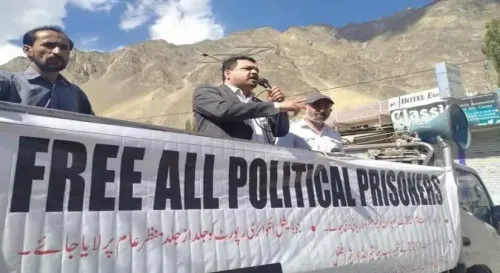
The Awami Action Committee (AAC) , which has led protests for over two months , called for a complete election boycott, describing the process as 'predetermined.' Authorities banned political rallies ahead of polling, citing security concerns; opposition parties have questioned the credibility of the exercise.
Observer consensus: voter turnout will be the key indicator of public confidence in the electoral process.
Polling in Pakistan-occupied Kashmir (PoK) commenced on Monday, 27 July amid widespread allegations that the Pakistan military is actively working to manipulate the electoral outcome, raising serious questions about the credibility of the democratic process in the region. The first phase covers 13 Assembly constituencies across the districts of Bhimber, Mirpur, and Kotli, with more than 1.4 million registered voters eligible to cast their ballots.
Scale of the First Phase
More than 2,500 polling stations have been established across the three districts for the first phase. Of the approximately 300 candidates contesting the 13 seats, 135 are in the running from Kotli alone, which accounts for six of the constituencies. In Mirpur and Bhimber, around 750,000 voters will determine the fate of the remaining seven seats. The PoK government declared a public holiday on polling day and appealed for high voter participation.
Allegations of Military Interference
Officials and observers have said there is little doubt that the Pakistan military is seeking to engineer the result. According to reports, the military — currently under Field Marshal Asim Munir — is said to favour the Pakistan Muslim League-Nawaz (PML-N) retaining power in PoK, given its comfort in working with the party, which also leads Pakistan's federal government. Critics have long accused the PML-N leadership of acting at the military's behest. The military, officials suggest, is eager to install a compliant administration in PoK following a recent wave of protests that embarrassed the security establishment.
AAC Boycott and Protest Backdrop
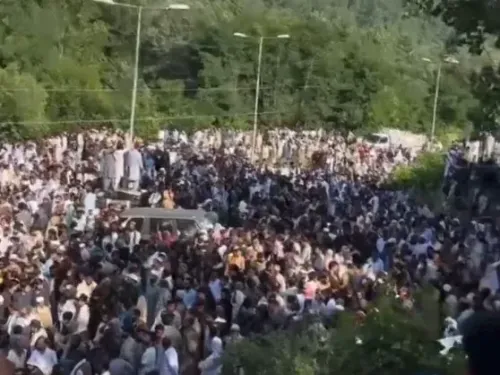
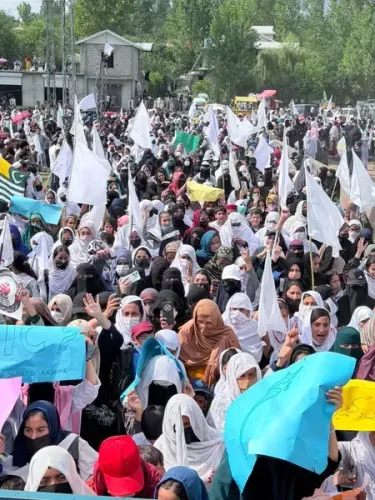
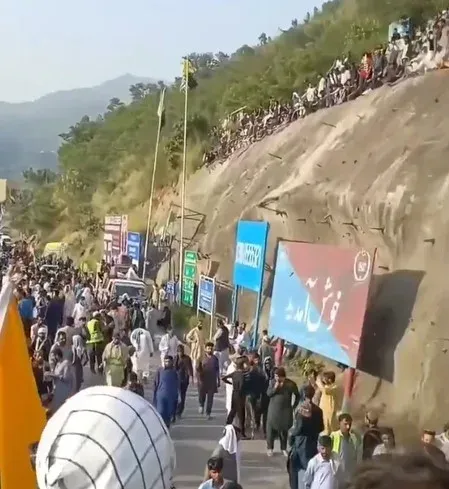
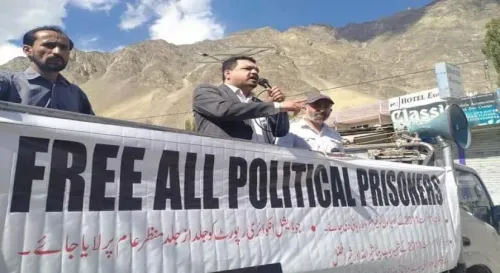
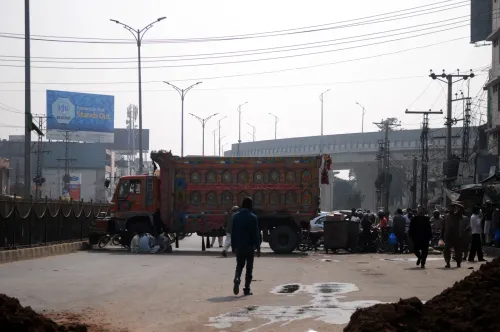
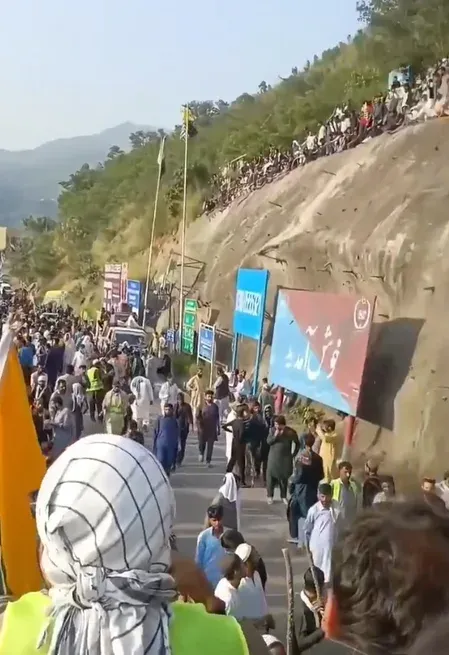
The Awami Action Committee (AAC), which has led protests in PoK for more than two months demanding basic infrastructure and development, has called for a complete boycott of the elections. The AAC has described the electoral process as a 'predetermined exercise with a pre-decided outcome' and dismissed it as a sham. It has accused the military of manipulating political outcomes not only in PoK but across Pakistan. Experts note that the protests drew solidarity from a large section of the population. 'A large majority of the people of PoK have stood in solidarity with the AAC during the protests. In fact, the protests this time around have clearly shown that nearly 90 per cent of the people of this region are fed up with the establishment,' observers point out.
Restrictions and Opposition Concerns
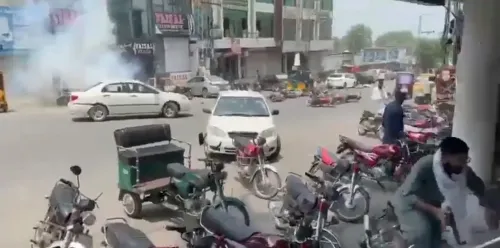
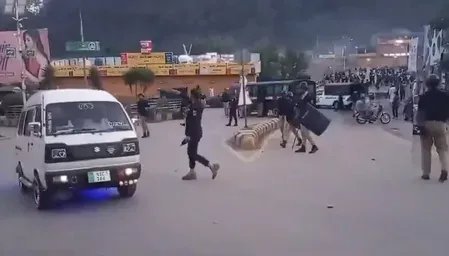
Ahead of polling, authorities banned political rallies and public gatherings, citing security concerns, insisting the restrictions were necessary to ensure a peaceful voting process. The opposition has questioned the credibility of the exercise despite the administration's assertion that all necessary measures have been taken to ensure free and fair elections. Pakistan observers argue that voter turnout in this first phase will serve as a critical barometer of public confidence — a low turnout, they contend, would signal that many residents have lost faith in the system entirely.
Parties and What Comes Next
The Pakistan Muslim League-Nawaz (PML-N), Pakistan People's Party (PPP), and Istehkam-e-Pakistan Party (IPP) are among the major parties contesting the seats. Observers say the first phase is expected to set the tone for subsequent rounds of polling. The military, according to officials, aims to maintain complete control over PoK's political landscape to suppress any future protests. Whether the turnout vindicates or undermines the AAC's boycott call will be closely watched as results emerge.
Point of View
Backed reportedly by roughly 90 per cent popular sympathy, puts the military in a bind: a high turnout would legitimise an election critics say is rigged, while a low turnout would publicly validate the boycott and deepen the establishment's embarrassment after months of protests. The ban on political rallies ahead of polling is a telling signal that authorities are more concerned with managing optics than ensuring genuine participation. What mainstream coverage underplays is the structural dimension: PoK elections have historically served as a pressure valve, not a power transfer mechanism, and the military's reported preference for PML-N continuity fits a decades-old pattern of keeping the territory politically tethered to Rawalpindi's agenda.
NationPress
25 Oct 2026
Frequently Asked Questions
What are the PoK elections and when did polling begin?
The Pakistan-occupied Kashmir (PoK) elections are legislative polls to elect representatives to the region's Assembly. The first phase began on Monday, 27 July, covering 13 constituencies across the districts of Bhimber, Mirpur, and Kotli, with over 1.4 million registered voters eligible to vote.
Why is the Pakistan military accused of interfering in the PoK polls?
Officials and observers allege the Pakistan military, under Field Marshal Asim Munir, is working to engineer a PML-N victory in order to install a compliant government following months of protests that embarrassed the security establishment. The military is reportedly comfortable with PML-N, which also leads Pakistan's federal government.
Why has the Awami Action Committee called for a boycott?
The Awami Action Committee (AAC), which has spearheaded protests in PoK for over two months demanding basic infrastructure and development, has dismissed the elections as a 'predetermined exercise with a pre-decided outcome.' It argues that voting in a rigged process is meaningless and has urged residents to stay away.
Which parties are contesting the PoK elections?
The major parties in the fray include the Pakistan Muslim League-Nawaz (PML-N), the Pakistan People's Party (PPP), and the Istehkam-e-Pakistan Party (IPP). Around 300 candidates are contesting the 13 seats going to polls in the first phase.
What restrictions were imposed ahead of polling in PoK?
Authorities banned political rallies and public gatherings ahead of the polls, citing security concerns. The administration maintained the restrictions were necessary to ensure voting proceeded peacefully, but opposition parties and the AAC have argued the curbs further undermine the credibility of the process.