PoK polls marred by violence, rigging charges and alleged army role
Synopsis
PoK's elections are unravelling in real time — with at least 37 dead, Hizbul Mujahideen militants allegedly deployed to manufacture violence, and a Pakistan Army commander reportedly ordered to crush protests by force. The PML-N may be winning seats, but officials say it is heading toward a government with no public legitimacy.
Key Takeaways
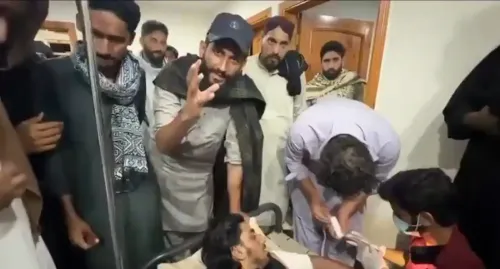
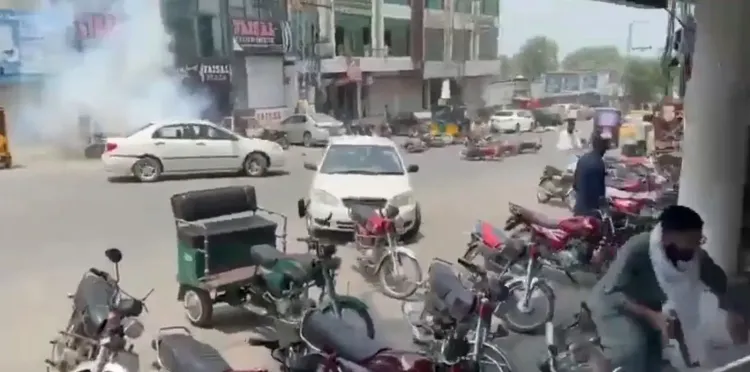
At least 37 people have died and around 200 have been injured over three days of violence in Pakistan-occupied Kashmir (PoK) as of 30 July .
An Intelligence Bureau (IB) official alleged that Hizbul Mujahideen terrorists were deployed to infiltrate protests and instigate violence as a pretext for crackdowns.
A separate official claimed the PoK Sector Commander was instructed by the Pakistan Army to use maximum force and deploy thugs to end the protests.
The PML-N has won 9 of 13 seats declared so far; polling runs in three phases from 27 July to 10 August across a 53-member Assembly .
PTI boycotted the elections; a majority requires 27 seats .
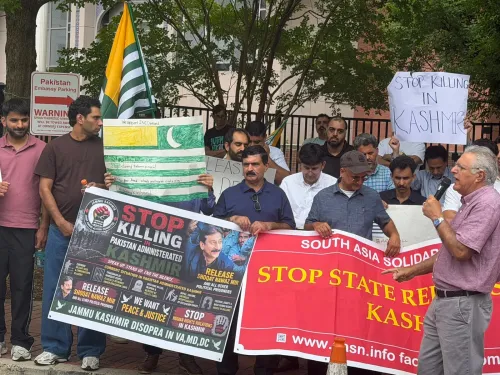
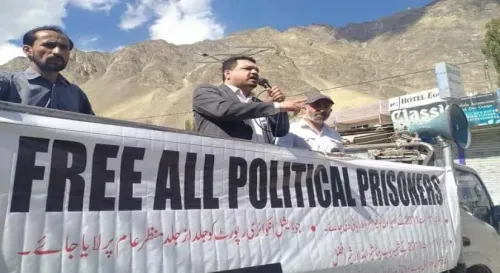
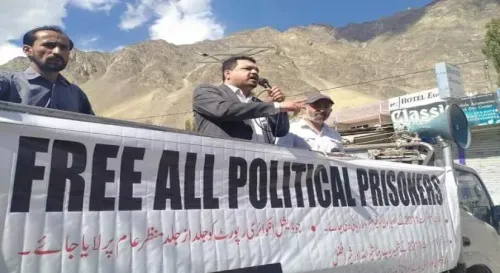
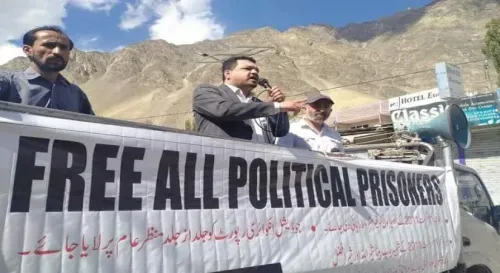
The JAAC has rejected government offers of dialogue as insincere and vowed to sustain protests until all demands — including lower electricity tariffs and end to elite privileges — are met.
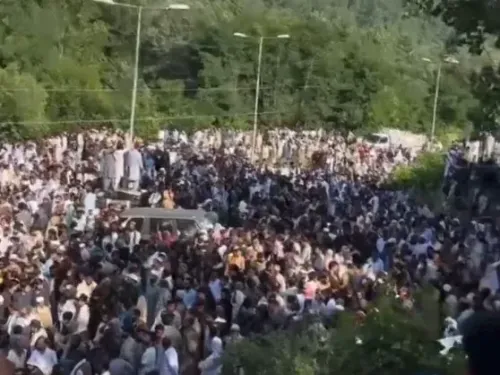
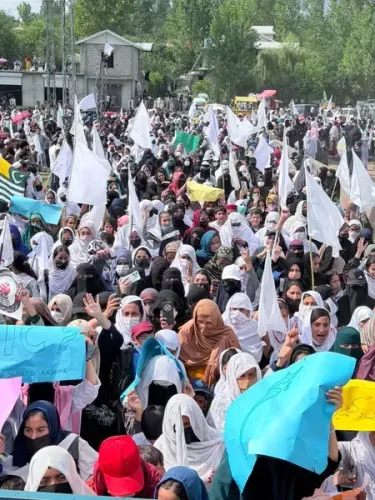
Elections in Pakistan-occupied Kashmir (PoK) have been severely disrupted by violence, allegations of electoral manipulation, and reports of enforced disappearances, casting a long shadow over a polling process already mired in public distrust. The Joint Action Awami Committee (JAAC), which has led the region's sustained protest movement, has repeatedly called on residents to maintain peace — but violence has continued to erupt across multiple areas.
Violence Allegedly Engineered, Not Spontaneous
According to an Intelligence Bureau (IB) official, the unrest did not originate from the local population. 'Inputs from the region indicate that Hizbul Mujahideen terrorists were instructed to infiltrate the protests. Their objective was to blend in with the demonstrators, instigate violence and then flee the scene, leaving the impression that the protesters drove the unrest,' the official said.
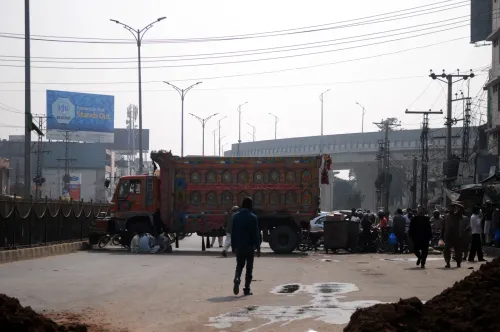
The violence allegedly orchestrated by these elements provided security agencies a pretext to use force against ordinary demonstrators, the official added. Most protesters, according to the official, were unaware of what was happening or why force was being deployed against them. As of 30 July, nearly 37 people have died and around 200 have been injured over a three-day period.
Pakistan Army's Alleged Role in Suppressing Protests
A separate official claimed the Pakistan Army has set up a mechanism within PoK to engineer violence as a pretext to crush dissent. According to this account, the PoK Sector Commander was recently summoned by the army's top brass and instructed to deploy hired thugs and militants at protest sites to incite clashes, then ensure their safe exit before the situation was blamed on protesters.
These infiltrators reportedly burned government vehicles and buildings, pelted stones, and — in what officials described as the most extreme act — opened fire on civilians. The JAAC has since urged residents to stay vigilant against further infiltration attempts, vowing that protests will continue until all demands are met.
Electoral Landscape and Legitimacy Crisis
Polling in PoK is being conducted in three phases between 27 July and 10 August. The Pakistan Muslim League (Nawaz) (PML-N) has so far won nine of the 13 seats declared, with the Pakistan People's Party (PPP) claiming the rest. Former Prime Minister Imran Khan's Pakistan Tehreek-e-Insaf (PTI) chose to boycott the elections entirely.
A party requires at least 27 seats to secure a majority in the 53-member Assembly. Of the total seats, 45 are filled through direct elections, while the remaining 8 are reserved seats.
Officials warned that even if the PML-N ultimately forms the government, it is unlikely to command public legitimacy. A large section of the population reportedly believes the party colluded with the Pakistan Army to tilt the electoral outcome in its favour.
Underlying Grievances Fuelling Unrest
The protests in PoK are not new. For years, residents have complained of official neglect, poor living conditions, and economic hardship. Their core demands include lower electricity tariffs, food subsidies, and an end to the privileges enjoyed by the ruling elite — including free fuel, luxury perks, and excessive benefits extended to government officials and ministers.
The JAAC has made clear that offers of dialogue extended by the PoK leadership and the Pakistan establishment are not genuine, and that only sustained protest pressure can force meaningful concessions.
Political Fallout and What Comes Next
The turmoil has also widened cracks within Pakistan's federal coalition. The PML-N and the PPP, allies at the Centre, are reportedly at odds over the PoK situation. Officials believe conditions in the region are likely to deteriorate further in the coming weeks, and that any incoming government will find it increasingly difficult to govern amid persistent unrest.
With voting still ongoing and the death toll rising, the international community's attention on PoK is unlikely to ease anytime soon.
Point of View
Blame the aggrieved, and use the chaos to delegitimise dissent rather than address it. The JAAC's refusal to accept dialogue offers suggests the protest movement has matured beyond symbolic gestures — and that any government formed under these conditions will govern on borrowed time. What is striking is the reported directness of army involvement: not passive tolerance of violence, but alleged active orchestration. If verified, this represents a significant escalation in how Rawalpindi manages internal political crises in territories it controls. New Delhi, which has long claimed PoK as its own, will be watching — and the optics of a military-engineered election next door are unlikely to go uncontested diplomatically.
NationPress
13 Sept 2026
Frequently Asked Questions
What is happening in Pakistan-occupied Kashmir (PoK) elections?
Elections in PoK are being held in three phases between 27 July and 10 August, but the process has been severely disrupted by violence, allegations of rigging, and reports of enforced disappearances. At least 37 people have died and around 200 have been injured over three days of unrest.
What role is the Pakistan Army allegedly playing in the PoK unrest?
According to officials, the Pakistan Army set up a mechanism to engineer violence in PoK so that force could be used against protesters. The PoK Sector Commander was reportedly summoned and instructed to deploy hired thugs and militants at protest sites to instigate clashes, then ensure their safe exit before blaming the violence on demonstrators.
Who is the JAAC and what are their demands?
The Joint Action Awami Committee (JAAC) is the body spearheading the protest movement in PoK. It has been demanding lower electricity tariffs, food subsidies, and an end to the privileges enjoyed by the ruling elite, including free fuel and luxury perks for government officials. The JAAC has rejected government offers of talks as insincere and vowed to continue protests until all demands are met.
Which party is leading the PoK elections and what is the current seat count?
The Pakistan Muslim League (Nawaz) (PML-N) is leading with nine of the 13 seats declared so far, with the Pakistan People's Party (PPP) winning the rest. Pakistan Tehreek-e-Insaf (PTI) boycotted the elections. A majority in the 53-member Assembly requires at least 27 seats.
Why do officials believe the incoming PoK government will lack legitimacy?
Officials say a large section of PoK's population believes the PML-N colluded with the Pakistan Army to manipulate the electoral process. With protests ongoing, the death toll rising, and the JAAC refusing to stand down, any government formed under these conditions is seen as unlikely to command genuine public trust or the ability to govern effectively.