PM Modi at Monsoon Session: Youth potential 'boundless as space', hails Vikram-1 launch
Synopsis
Modi opened the Monsoon Session not with legislative agenda but with a youth manifesto — pointing to a 28-year-old team at Skyroot Aerospace that launched India's first private orbital rocket as proof that the country's ambitions now match its rhetoric. With a semiconductor plant, a green hydrogen train, and an ISS visit all logged in recent weeks, the Prime Minister's message was clear: India's next chapter is being written by its youngest engineers.
Key Takeaways
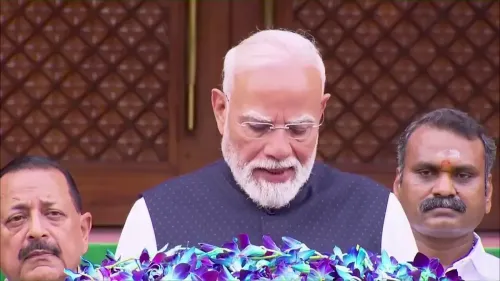
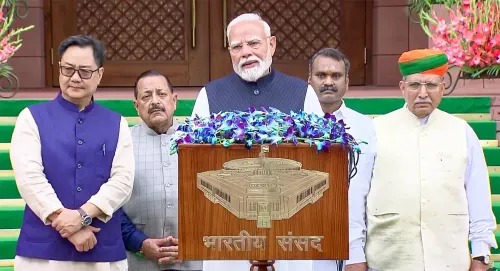
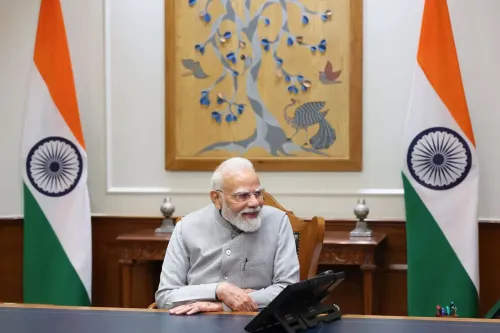
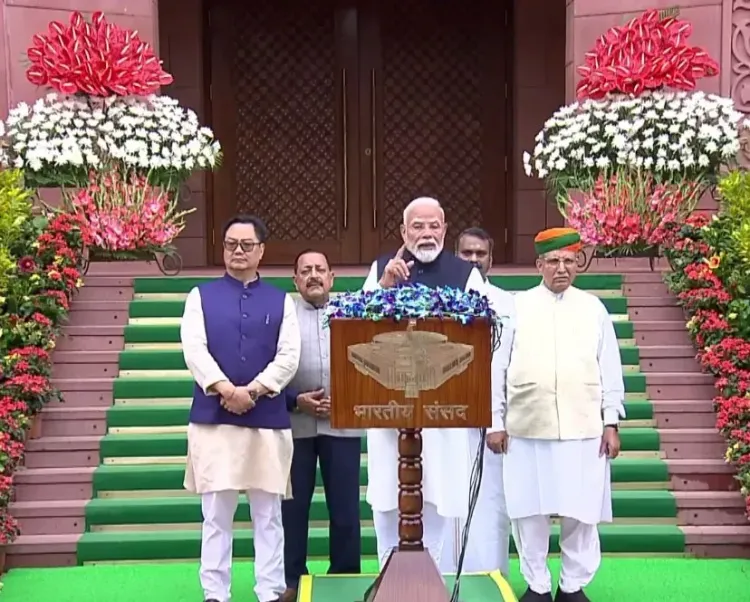
PM Modi addressed the media at the start of the Monsoon Session of Parliament on 20 July in New Delhi .
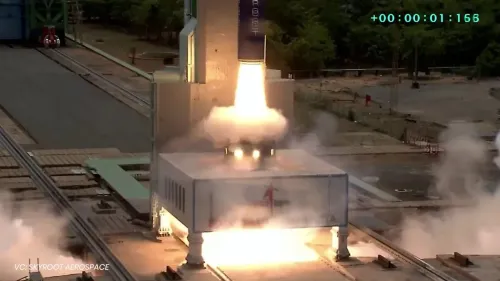
Skyroot Aerospace (Hyderabad) successfully launched Vikram-1 , India's first privately developed orbital rocket, under Mission Aagaman ; the team's average age is 28 years .
India dedicated its third semiconductor plant and a major oil refinery in Rajasthan to the nation in the preceding month.
A green hydrogen-powered train was launched — a facility Modi said very few countries in the world possess.
Modi described youth potential as 'boundless as space' and said India's global profile is gaining 'universal recognition and acceptance'.
Prime Minister Narendra Modi on Monday, 20 July opened the Monsoon Session of Parliament with an address to the media in New Delhi, expressing confidence that the session would prove as productive as the monsoon itself — and celebrating a string of national achievements he said reflect a youth whose ambitions are 'as boundless as space'.
Key Developments at Session Opener
Speaking before the session began, Modi drew a deliberate parallel between the monsoon rains and the legislative calendar. 'Be it monsoon or Monsoon Session, both are very productive. When both are productive, it benefits both the welfare of the nation and the welfare of all living beings,' he said, expressing hope that both would deliver for the country.
The Prime Minister pointed to a series of milestones achieved in the preceding month — spanning national, international, and space sectors — as moments of collective pride for India's citizens.
Vikram-1 and the 28-Year-Old Trailblazers
Modi highlighted the successful launch of Vikram-1, India's first privately developed orbital rocket, by Hyderabad-based Skyroot Aerospace under Mission Aagaman. He noted that the average age of the team behind the milestone is just 28 years.
'These youngsters have done this work. I am not talking about a 56-year-old youth; I am talking about the youth with an average age of 28 years, who have held India's flag high on the international level,' Modi said. He also recalled that ahead of last year's Monsoon Session, an Indian had reached the International Space Station (ISS) — positioning space achievement as a recurring thread of national progress.
Industrial and Scientific Milestones
Beyond the space sector, Modi cited several other landmark dedications: a major oil refinery commissioned in Rajasthan, India's third semiconductor plant inaugurated, and the launch of a green hydrogen-powered train — a capability he said very few countries in the world currently possess.
'This achievement is a testament to the dedication of India's scientists, engineers, innovators, entrepreneurs, and workers — all of whom are living and working together for the country,' he said.
India's Rising Global Profile
Modi argued that these achievements are not coincidental but reflect a structural shift in India's standing. 'This is not a coincidence; it is a message, and a very powerful one, that the potential and aspirations of our country's youth are as boundless as space itself,' he said, describing the moment as among the most inspiring for the nation.
He added that India's global profile is gaining 'universal recognition and acceptance' — framing the run of achievements as evidence of a country operating at a new level of ambition and execution.
What to Watch in the Monsoon Session
With the session now under way, attention will turn to the legislative agenda and whether the Parliament delivers the productivity Modi invoked in his opening remarks. The achievements he cited — from Vikram-1 to the semiconductor plant — are likely to form part of the government's narrative as debates unfold on the floor of both Houses.
Point of View
And a 28-year-old average team age is a compelling counter-narrative to the 'jobless growth' critique. What the address did not do is signal any specific legislative priorities for the session itself — a notable omission that opposition parties are likely to exploit on the floor. The milestones are real; whether the Monsoon Session translates that momentum into law is the harder question.
NationPress
20 Oct 2026
Frequently Asked Questions
What did PM Modi say at the start of the Monsoon Session of Parliament?
PM Modi addressed the media on 20 July before the Monsoon Session began, expressing hope that the session would be as productive as the monsoon rains. He highlighted recent national achievements in space, industry, and clean energy, and praised India's youth for driving these milestones.
What is Vikram-1 and why did Modi mention it?
Vikram-1 is India's first privately developed orbital rocket, launched by Hyderabad-based Skyroot Aerospace under Mission Aagaman. Modi cited it as a symbol of youth-led innovation, noting that the average age of the Skyroot team is just 28 years.
What other milestones did PM Modi highlight?
Modi mentioned the dedication of a large oil refinery in Rajasthan, India's third semiconductor plant, and the launch of a green hydrogen-powered train — a technology he said very few countries currently possess. He also recalled that an Indian reached the International Space Station ahead of last year's Monsoon Session.
What did Modi mean by youth potential being 'boundless as space'?
Modi used the phrase to argue that India's recent achievements — particularly in the space sector — are not coincidental but reflect the limitless ambition of the country's young scientists, engineers, and entrepreneurs. He framed it as one of the most inspiring messages India could send to the world.
What is the significance of India's third semiconductor plant?
The commissioning of India's third semiconductor plant marks continued progress in the country's push to build domestic chip manufacturing capacity, a strategic priority given global supply-chain vulnerabilities. Modi cited it alongside Vikram-1 and the green hydrogen train as evidence of India's expanding industrial and technological base.