PM Modi in Sikkim April 27-28: Rs 4,000 Cr Projects Unveiled
Synopsis
PM Modi's two-day Sikkim visit on April 27-28 culminates the state's Golden Jubilee with Rs 4,000 crore+ in projects spanning 10 sectors — from a Sowa Rigpa hospital and Sikkim University campus to Teesta bridges and eco-pilgrimage complexes. For India's smallest state, still rebuilding after the 2023 GLOF disaster, this is a defining federal investment moment.
Key Takeaways
PM Narendra Modi will visit Sikkim on April 27–28, 2025 for the Golden Jubilee closing ceremony at Paljor Stadium, Gangtok .
Projects worth over Rs 4,000 crore spanning 10 sectors — including healthcare, education, connectivity, power, tourism, and agriculture — will be inaugurated or have foundation stones laid.
A permanent Sikkim University campus at Yangang , Helen Lepcha Medical College , and IT infrastructure across 160 schools are among the landmark education investments.
Two double-lane steel arch bridges over the Teesta River at Sirwani and Lower Samdong will receive foundation stones, boosting critical mountain connectivity.
A 100-bedded Ayurveda hospital at Yangang and a 30-bedded Sowa Rigpa Hospital at NIT Deorali will strengthen Sikkim's traditional and modern healthcare ecosystem.
The visit carries strategic significance given Sikkim's China border proximity and the state's ongoing recovery from the 2023 glacial lake outburst flood .
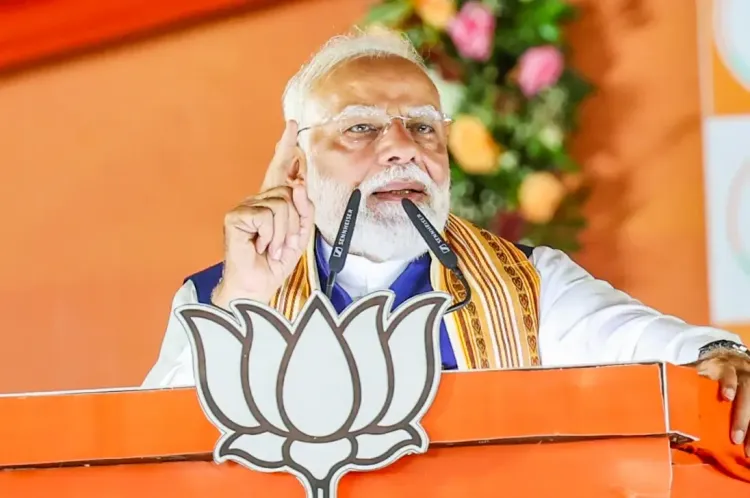
Prime Minister Narendra Modi is set to visit Sikkim on April 27–28, 2025, to participate in the grand finale of the state's 50th statehood anniversary (Golden Jubilee) celebrations and inaugurate, launch, or lay the foundation stones of development projects collectively valued at over Rs 4,000 crore. The visit marks one of the most significant federal investment pushes in Sikkim's history, touching nearly every critical sector of the state's economy and public infrastructure.
PM Modi's Arrival and Day-One Schedule
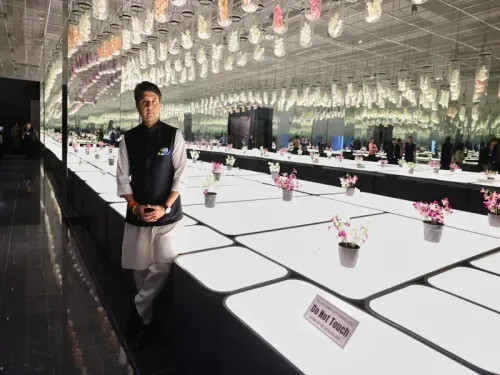
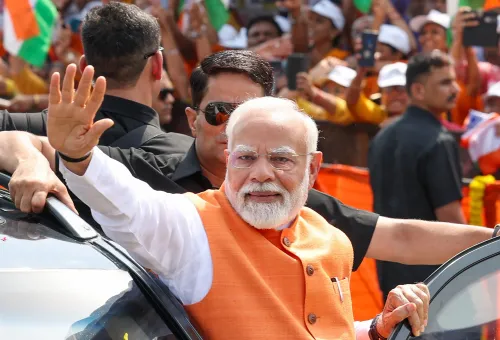
Prime Minister Modi is scheduled to land in Gangtok on April 27 at approximately 3:00 p.m. The first major engagement on April 28 will be a visit to the Orchidarium in Gangtok, which has been developed into a world-class Orchid Experience Centre designed to celebrate and preserve Sikkim's extraordinary ecological and floral biodiversity.
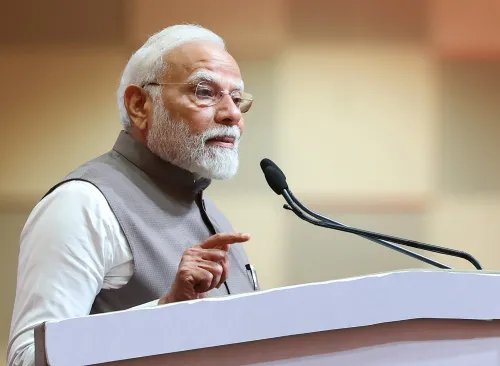
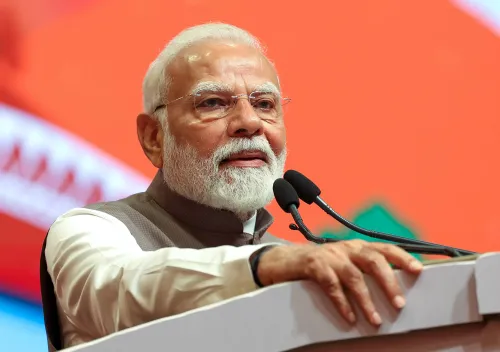
At around 10:00 a.m. on April 28, the Prime Minister will attend the concluding ceremony of Sikkim's Golden Jubilee celebrations at Paljor Stadium, where he will formally inaugurate multiple projects, lay foundation stones, and address the assembled gathering. The event is expected to draw thousands of residents and dignitaries from across the Northeast.
Healthcare and Education: Major Institutional Investments
In the healthcare sector, PM Modi will lay the foundation stone for a 100-bedded Ayurveda hospital at Yangang in Namchi district and inaugurate a 30-bedded Integrated Sowa Rigpa Hospital at NIT Deorali — a facility rooted in the traditional Tibetan-Buddhist medical system that is deeply embedded in Sikkim's cultural identity.
The education sector receives a transformative boost with the inauguration of the permanent campus of Sikkim University at Yangang, the administrative block of Netaji Subhash Chandra Bose University of Excellence at Chakung, Helen Lepcha Medical College at Socheygang, and Dentam Professional College in Gyalshing district.
Additional educational assets to be inaugurated include Model Residential Schools at Hee Gyathang, a new Model Degree College at Mangshila, and a monastic hostel-cum-classroom at Boomtar Gumpa. IT-enabled infrastructure across 160 schools will also be formally launched, directly benefiting tens of thousands of students in remote Himalayan communities.
Connectivity, Power, and Urban Development
To strengthen physical connectivity in the mountainous terrain, PM Modi will lay the foundation stone for two double-lane steel arch bridges over the Teesta River at Sirwani and Lower Samdong. He will also inaugurate the upgraded road from Birdhang to Namchi via Kitchudumra, a critical arterial route that improves access for both residents and commerce.
In the power sector, the revamping of Gangtok's transmission and distribution network will be inaugurated — a long-overdue upgrade for a city that frequently grapples with power reliability challenges, particularly during monsoon disruptions.
Under urban development, the Prime Minister will inaugurate the Jan Seva Sachivalaya at Lumsey, the Civil Service Officers Institute in Gangtok, housing under the Sikkim Urban Garib Awas Yojana, and quarters for police personnel. The foundation stone for a Sadhbhav Mandap at MG Marg — one of Gangtok's most iconic commercial and cultural promenades — will also be laid.
Environment, Tourism, and Agriculture
On the environmental front, PM Modi will lay the foundation stone for a sewerage system rehabilitation project at Singtam and inaugurate the River Rani Chu Pollution Abatement Scheme — both critical for protecting Sikkim's fragile river ecosystems, which have faced increasing pressure from urban runoff and post-earthquake infrastructure damage.
In tourism, the Ridge Precinct in Gangtok will be redeveloped, while eco-tourism and pilgrimage infrastructure at Dodak, facilities for the Kailash Mansarovar Yatra, and a Yatri Niwas at Krishna Pranami Mangaldham will be inaugurated. The foundation stone for an Eco-Pilgrimage Complex at Silnon will also be laid, reinforcing Sikkim's positioning as a spiritual and eco-tourism destination.
The Sikkim IFFCO Processing Plant will be inaugurated to boost agro-processing and farmer incomes, while indoor cricket facilities at Mining in Pakyong district will add to the state's sports infrastructure.
Strategic Significance: Northeast Development and Political Context
This visit is far more than a ceremonial milestone. Sikkim, India's smallest state by area, has long faced challenges of geographic isolation, economic underdevelopment, and vulnerability to natural disasters — most notably the 2023 glacial lake outburst flood (GLOF) that devastated parts of the state and set back infrastructure progress significantly. The Rs 4,000 crore+ investment package represents a substantial federal commitment to rebuilding and accelerating Sikkim's development trajectory.
Notably, the investment spans 10 sectors — a breadth that signals a deliberate strategy to create multiplier effects across the economy rather than concentrating resources in a single domain. Critics and policy analysts will be watching closely whether these projects achieve timely completion, given Sikkim's challenging terrain and history of project delays exacerbated by seismic activity and monsoon disruptions.
The focus on traditional medicine (Sowa Rigpa and Ayurveda), monastic education infrastructure, and pilgrimage tourism also reflects a culturally sensitive approach that aligns federal investment with Sikkim's unique Tibetan-Buddhist identity — a soft-power dimension that carries significance given the state's proximity to the China border.
As Sikkim enters its 51st year as an Indian state, the projects inaugurated during this visit are expected to shape the state's development landscape for the next decade. Implementation timelines, fund disbursement, and ground-level execution will be the true test of this ambitious federal commitment.
Point of View
And a concentrated Rs 4,000 crore federal push into connectivity, education, and border-adjacent infrastructure sends a message of sovereign commitment that goes well beyond state politics. The inclusion of Sowa Rigpa medicine and monastic infrastructure is a rare acknowledgment of cultural identity in federal development policy — but the real accountability test begins after the ribbon-cutting: Sikkim's 2023 GLOF disaster exposed how quickly infrastructure can be erased, and whether these projects are built to withstand climate and seismic realities will define their true legacy.
NationPress
18 Sept 2026
Frequently Asked Questions
Why is PM Modi visiting Sikkim on April 27-28, 2025?
PM Modi is visiting Sikkim to attend the closing ceremony of the state's 50th statehood (Golden Jubilee) anniversary celebrations and to inaugurate development projects worth over Rs 4,000 crore. The visit is scheduled for April 27–28, 2025, with the main event at Paljor Stadium in Gangtok on April 28.
What projects will PM Modi inaugurate in Sikkim?
PM Modi will inaugurate and lay foundation stones for over a dozen projects spanning healthcare, education, connectivity, power, tourism, environment, and agriculture. Key projects include the permanent Sikkim University campus at Yangang, a 30-bedded Sowa Rigpa Hospital, two Teesta river bridges, and the Sikkim IFFCO Processing Plant.
What is the total value of projects being launched in Sikkim by PM Modi?
The total value of projects to be inaugurated, launched, or have their foundation stones laid by PM Modi in Sikkim exceeds Rs 4,000 crore. These projects span 10 sectors including infrastructure, healthcare, education, power, and tourism.
What is the Sikkim Golden Jubilee celebration about?
Sikkim's Golden Jubilee marks 50 years since the state officially became the 22nd state of India in 1975. The concluding ceremony of these year-long celebrations is being held at Paljor Stadium in Gangtok on April 28, 2025, with PM Modi as the chief guest.
How does PM Modi's Sikkim visit relate to the 2023 Sikkim floods?
Sikkim suffered devastating damage from a glacial lake outburst flood (GLOF) in October 2023 that destroyed roads, bridges, and infrastructure across the state. The Rs 4,000 crore investment package being announced during PM Modi's visit is seen as a major step in accelerating Sikkim's post-disaster reconstruction and long-term development.