Madhya Pradesh CM Urges Collective Action to Safeguard Narmada River
Synopsis
Discover how Madhya Pradesh's Chief Minister Mohan Yadav is rallying support to preserve the Narmada River, emphasizing its importance as a vital resource and fostering collaboration among government and communities.
Key Takeaways
Mohan Yadav emphasizes collective responsibility in river conservation.
Public awareness and government collaboration are crucial.
Strict actions against illegal encroachments are mandated.
A ban on plastic and liquor is being enforced.
Ecological balance is prioritized through local plantation initiatives.
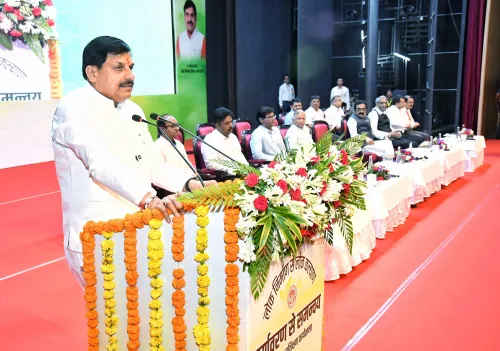
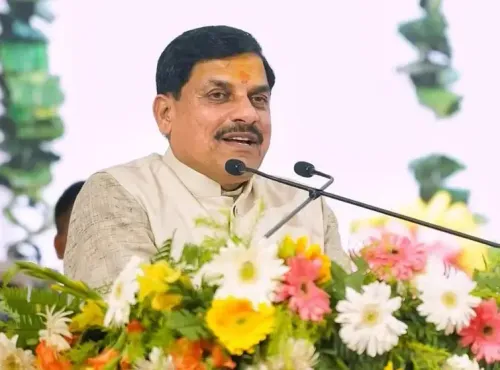
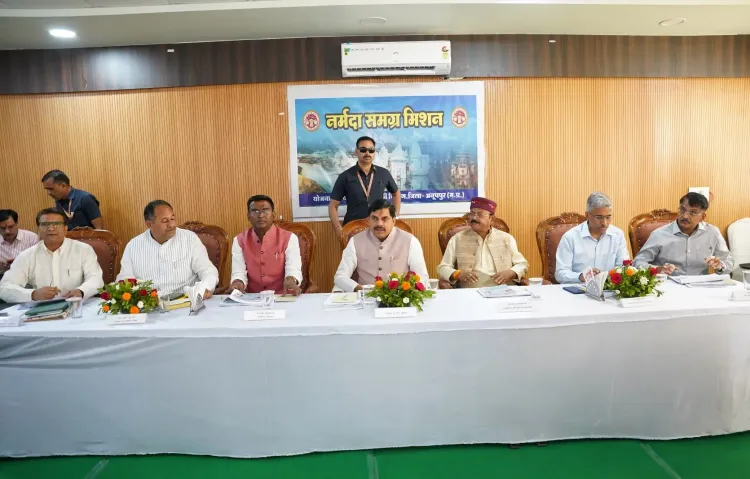
Amarkantak, April 13 (NationPress) Madhya Pradesh Chief Minister Mohan Yadav on Monday highlighted the significance of shared accountability in safeguarding the Narmada River, referring to it as a “life-giving river” and urging collaborative efforts between the government and the community to uphold its purity.
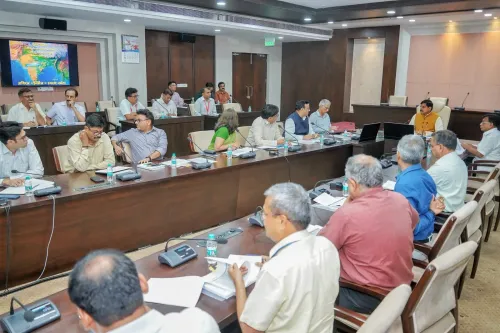
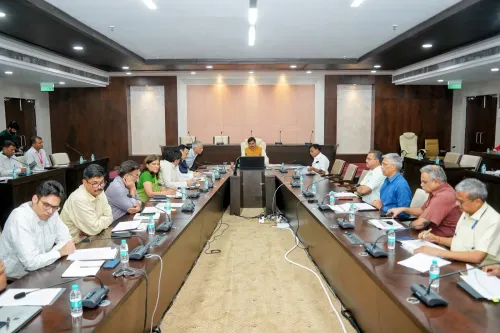
During a review meeting of the Narmada Samagra Mission in Amarkantak, the Chief Minister instructed officials to implement effective measures to protect and improve the source area of Maa Narmada.
“The Narmada is among our most revered and vital rivers. Its protection necessitates ongoing commitment and proactive involvement from both the administration and the public,” stated Chief Minister Yadav.
He directed authorities to ramp up public awareness initiatives involving officials, local representatives, and members of the Special Area Development Authority to safeguard the river’s source and preserve the sanctity of Amarkantak.
Yadav also mandated rigorous and ongoing actions against illegal encroachments along the riverbanks and at the source site.
He emphasised that unregulated construction efforts must be controlled and ordered that no unchecked concrete developments be permitted in the area.
Addressing environmental issues, the Chief Minister assessed matters concerning river pollution, wastewater management, and water resource oversight.
Officials reported that a sewage treatment plant is functioning in Amarkantak, with continuous efforts underway to stop contaminated water from entering the river.
Stressing the importance of ecological balance, Yadav directed forest officials to prioritise planting local and medicinal species to bolster groundwater levels and conserve natural forests.
He noted that large-scale constructions by both locals and outsiders should be regulated according to established guidelines.
The Chief Minister further called for an outright ban on the use of plastic and liquor in Amarkantak.
He instructed officials to establish “No Movement” and “No Construction” zones to protect the environmental and cultural heritage of the area.
“Protecting Amarkantak transcends administrative obligation; it is a collective duty to preserve our natural and spiritual heritage,” he concluded.
Point of View
It is imperative to recognize the collaborative efforts initiated by Chief Minister Mohan Yadav in preserving the Narmada River. This initiative not only reflects a commitment to environmental conservation but also highlights the importance of community involvement in safeguarding cultural and natural resources.
NationPress
18 Sept 2026
Frequently Asked Questions
Why is the Narmada River important?
The Narmada River is considered a sacred and vital water source, crucial for ecological balance and the livelihood of communities along its banks.
What actions are being taken to protect the Narmada?
Madhya Pradesh CM Mohan Yadav has called for strict action against encroachments, public awareness campaigns, and the establishment of conservation zones.
How can the public get involved in conservation efforts?
The government encourages community participation through awareness programs and collaboration with local representatives to protect the river.
What restrictions are being implemented in Amarkantak?
A ban on plastic and liquor use, as well as designated ‘No Movement’ and ‘No Construction’ zones, are being established to protect the area.
What environmental concerns are being addressed?
Issues such as river pollution, wastewater management, and promoting local flora for ecological balance are being prioritized.