Mumbai Customs seizes ₹2.05 crore hydroponic weed at CSMIA, man from Gujarat arrested
Synopsis
A Gujarat man arriving from Bangkok was caught at Mumbai's CSMIA with nearly 6 kg of hydroponic cannabis worth ₹2.05 crore — the third major airport drug bust in India in under two weeks. The Bangkok-India route is emerging as a key smuggling corridor for high-potency cannabis, with seizures at CSMIA and Delhi's IGIA totalling over ₹18 crore in June alone.
Key Takeaways
Mumbai Customs arrested A.D.
Rajani , 28, of Jamnagar, Gujarat , at CSMIA on 24 June 2025 .
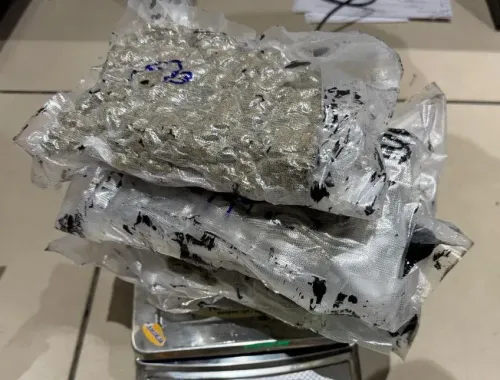
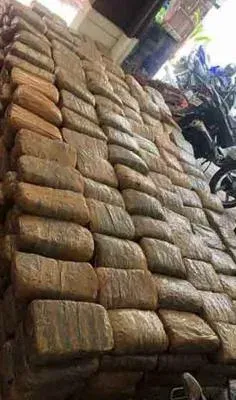
Officials recovered 5,869 grams of hydroponic cannabis with an estimated illicit market value of ₹2.05 crore .
Rajani arrived on a flight from Bangkok and was flagged based on specific intelligence before his baggage was searched.
On 22 June , 13.84 kg of hydroponic weed worth ₹4.80 crore was seized at Delhi's IGIA from another Bangkok-origin passenger.
On 12 June , a 28-year-old woman was arrested at CSMIA with over 11 kg of hydroponic cannabis valued at ₹11.82 crore .
Mumbai Customs on Wednesday, 24 June arrested a 28-year-old man for allegedly smuggling hydroponic cannabis worth ₹2.05 crore through Chhatrapati Shivaji Maharaj International Airport (CSMIA) in Mumbai. The accused, identified as A.D. Rajani, a resident of Jamnagar, Gujarat, was intercepted after arriving on a flight from Bangkok.
How the Seizure Unfolded
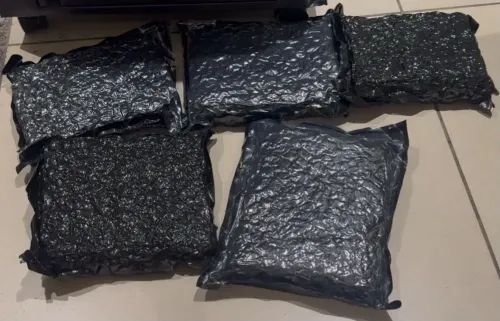
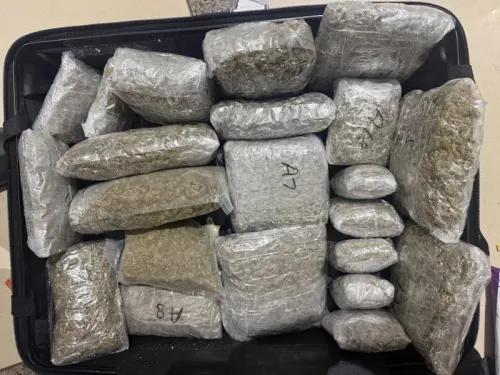
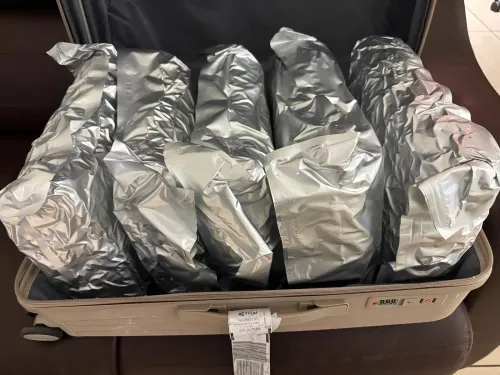
Customs officials flagged Rajani based on specific intelligence suggesting he might be carrying contraband. A thorough search of his baggage revealed his trolley bag packed with 14 sealed packets. On examination, the packets were found to contain the fruiting and flowering tops of a plant confirmed to be hydroponic weed, commonly known as cannabis.
The total net weight recovered was 5,869 grams, with an estimated illicit market value of approximately ₹2.05 crore. Rajani was placed under arrest, and further investigation into the matter is currently underway.
Part of a Wider Crackdown at Indian Airports
The CSMIA arrest is the latest in a string of high-value drug seizures at Indian airports over recent weeks. On 22 June, Customs officials at Indira Gandhi International Airport (IGIA) in New Delhi recovered approximately 13.84 kg of hydroponic weed — worth around ₹4.80 crore — from an Indian passenger who had arrived on Air India flight AI 2335 from Bangkok on 21 June. The passenger was intercepted after crossing the Green Channel based on profiling.
Earlier, on 12 June, Mumbai Customs arrested a 28-year-old woman at CSMIA for allegedly attempting to smuggle more than 11 kg of hydroponic cannabis into the country. That seizure was valued at ₹11.82 crore in the international market — making it one of the largest single airport drug busts in Mumbai this year.
What Is Hydroponic Weed
Hydroponic cannabis is cultivated using water-based nutrient solutions rather than soil, a method that produces higher concentrations of psychoactive compounds and a more potent product. Its superior quality means it commands a significantly higher price in the illegal drug market compared to conventionally grown cannabis — explaining why it has become the preferred smuggling commodity on the Bangkok-India corridor.
What Happens Next
Customs authorities have indicated that investigation into Rajani's case is ongoing. The repeated Bangkok-origin seizures suggest enforcement agencies are likely to intensify profiling of passengers arriving from that route. Legal proceedings under the Narcotic Drugs and Psychotropic Substances (NDPS) Act are expected to follow.
Point of View
Not isolated incidents. What is striking is the consistency of the profile: young passengers, Bangkok origin, trolley bags with sealed packets. Customs agencies appear to be acting on credible intelligence rather than random checks, which raises the question of how many consignments are getting through. The NDPS Act carries stringent mandatory minimum sentences, yet the volume and frequency of attempts suggest the profit margin still outweighs the perceived risk for couriers. A coordinated response involving Thai authorities and Indian aviation intelligence units would be the logical next step — but there is no indication yet that such coordination is formally underway.
NationPress
23 Sept 2026
Frequently Asked Questions
Who was arrested at Mumbai airport for drug smuggling on 24 June 2025?
A.D. Rajani , a 28-year-old resident of Jamnagar, Gujarat , was arrested by Mumbai Customs at CSMIA on 24 June 2025. He was intercepted after arriving from Bangkok and found carrying 5,869 grams of hydroponic cannabis worth ₹2.05 crore.
What is hydroponic weed and why is it more expensive?
Hydroponic weed is cannabis cultivated using water-based nutrient solutions instead of soil, resulting in higher concentrations of psychoactive compounds. Its superior potency means it commands a significantly higher price in the illegal drug market compared to conventionally grown cannabis.
How many airport drug seizures have occurred in India in June 2025?
At least three major hydroponic cannabis seizures have been recorded at Indian airports in June 2025. These include a ₹11.82 crore bust at CSMIA on 12 June, a ₹4.80 crore seizure at Delhi's IGIA on 22 June, and the ₹2.05 crore arrest at CSMIA on 24 June.
What legal action follows such drug smuggling arrests in India?
Arrests of this nature are prosecuted under the Narcotic Drugs and Psychotropic Substances (NDPS) Act, which prescribes stringent mandatory minimum sentences for commercial-quantity drug offences. Investigation by Customs authorities continues before a chargesheet is filed.
Why is the Bangkok-India route significant in these drug cases?
All three recent major airport seizures in June 2025 involved passengers arriving from Bangkok, suggesting the route is being actively used as a smuggling corridor for high-potency hydroponic cannabis. Enforcement agencies appear to be profiling passengers on this route based on specific intelligence.