Mumbai airport drug bust: Woman held with ₹11.82 crore hydroponic weed from Bangkok
Synopsis
A 28-year-old woman caught at Mumbai airport with ₹11.82 crore worth of hydroponic weed is the third major cannabis bust at an Indian airport in under three weeks — all linked to Bangkok or Kuala Lumpur flights. The pattern points to an organised trafficking network exploiting high-volume Southeast Asian air routes, and raises urgent questions about the depth of intelligence sharing between Indian Customs and regional agencies.
Key Takeaways
Mumbai Customs arrested a 28-year-old woman on 12 June at Chhatrapati Shivaji Maharaj International Airport for allegedly smuggling hydroponic weed.
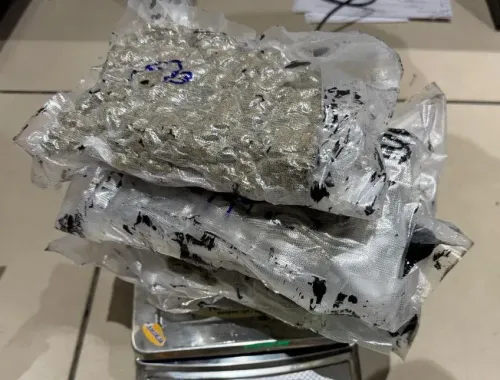
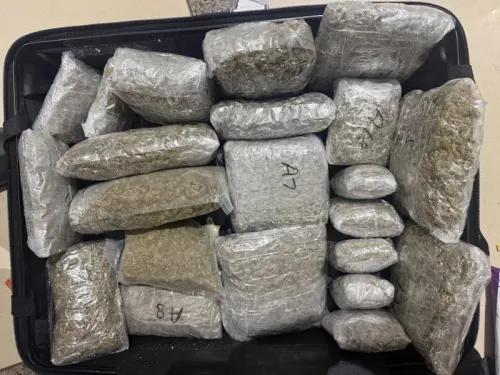
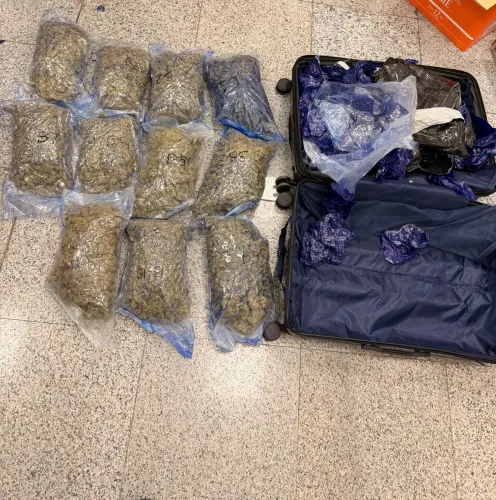
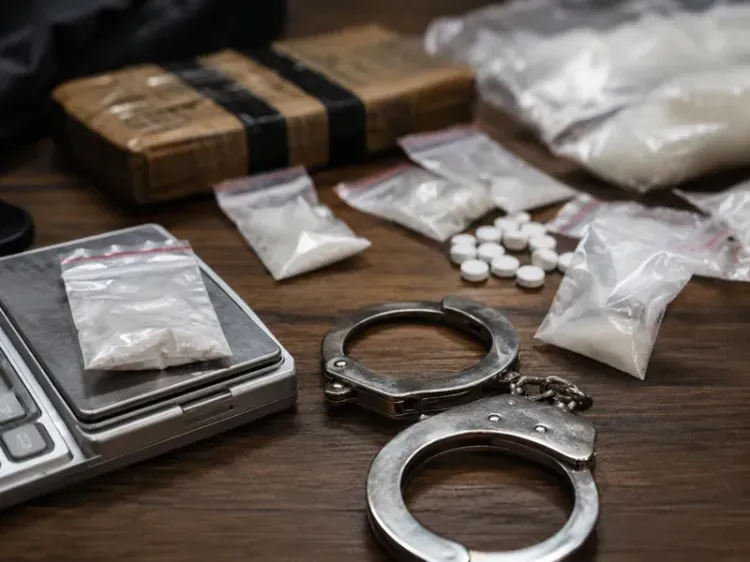
The seizure comprised 11.824 kg of hydroponic cannabis in 12 vacuum-sealed packets , valued at ₹11.82 crore internationally.
The accused arrived on a flight from Bangkok and was flagged through passenger profiling; she has been remanded to judicial custody under the NDPS Act .
On 8 June , IGI Airport Customs seized 15.38 kg of hydroponic weed hidden in geysers from passengers arriving from Kuala Lumpur .
On 23 May , two Thai nationals arriving at IGI Airport from Bangkok were caught with approximately 48 kg of suspected hydroponic weed combined.
Customs officials at Mumbai's Chhatrapati Shivaji Maharaj International Airport arrested a 28-year-old woman on 12 June for allegedly smuggling 11.824 kg of high-grade hydroponic weed into India, with the seized contraband valued at ₹11.82 crore in the international market. The woman had arrived on a flight from Bangkok and was flagged during routine surveillance and passenger profiling.
How the Contraband Was Discovered
A detailed inspection of the accused's trolley bag led to the recovery of 12 vacuum-sealed transparent plastic packets concealed within the luggage. The packets were confirmed to contain hydroponic weed — a potent, high-grade variant of cannabis cultivated under controlled indoor conditions and typically commanding a significant premium over conventional cannabis.
The accused reportedly worked as a relationship manager at a private company. Following the seizure, she was taken into custody and subsequently produced before a court, which remanded her to judicial custody. A case has been registered against her under the Narcotic Drugs and Psychotropic Substances (NDPS) Act.
Part of a Wider Crackdown at Indian Airports
The Mumbai arrest is the latest in a pattern of escalating hydroponic weed seizures at major Indian international airports, pointing to a well-organised trafficking network routing high-grade cannabis through Southeast Asian transit hubs.
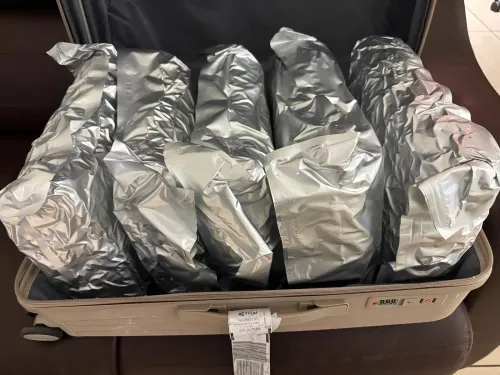
On 8 June, Customs officials at Delhi's Indira Gandhi International (IGI) Airport intercepted 15.38 kg of suspected hydroponic weed hidden inside two geysers in the baggage of two passengers who had arrived from Kuala Lumpur on Flight D7-182. The passengers were stopped after crossing the Green Channel, following specific intelligence inputs and profiling.
Earlier, on 23 May, Customs officers at IGI Airport intercepted two Thai nationals arriving from Bangkok on Flight AI-2356. A baggage inspection yielded six vacuum-sealed packets of suspected hydroponic weed — approximately 29 kg recovered from one passenger and around 19 kg from the other.
The Bangkok–India Trafficking Route
Notably, Bangkok has emerged as a recurring origin point across these seizures, suggesting that smugglers are exploiting high-volume air corridors between Thailand and India. The use of vacuum-sealed packaging and concealment within everyday items such as geysers and trolley bags indicates a degree of operational sophistication among trafficking networks.
Customs authorities have indicated that the operations are part of a sustained, intelligence-led effort to disrupt international drug trafficking through Indian airports. The NDPS Act carries stringent penalties, including rigorous imprisonment, for offences involving commercial quantities of narcotics.
What Happens Next
The Mumbai accused remains in judicial custody pending further legal proceedings. Investigators are expected to probe the supply chain behind the consignment, including possible handlers and recipients within India. With multiple high-value seizures recorded in quick succession, pressure is likely to mount on airport security and Customs intelligence units to tighten profiling protocols on Bangkok and Kuala Lumpur routes.
Point of View
And are testing multiple couriers simultaneously to improve their odds of a successful delivery. The fact that each interception relied on passenger profiling rather than hard intelligence suggests Indian Customs is reacting well but may not yet be disrupting the supply chain at source. The real measure of success will not be the number of arrests at arrival halls, but whether investigators can trace these consignments back to their handlers — in Bangkok, in Mumbai, and everywhere in between.
NationPress
27 Sept 2026
Frequently Asked Questions
Who was arrested at Mumbai airport on 12 June for drug smuggling?
A 28-year-old woman, reportedly employed as a relationship manager at a private company, was arrested by Customs officials at Mumbai's Chhatrapati Shivaji Maharaj International Airport on 12 June. She had arrived on a flight from Bangkok and was found carrying 11.824 kg of hydroponic weed worth ₹11.82 crore concealed in her trolley bag.
What is hydroponic weed and why is it considered high-grade?
Hydroponic weed is cannabis cultivated indoors under controlled conditions — using nutrient-rich water instead of soil — which typically produces a higher potency product than conventionally grown cannabis. It commands a significant premium in illicit markets, which is why it is increasingly targeted by international drug trafficking networks.
What law has the accused been charged under?
The accused has been booked under the Narcotic Drugs and Psychotropic Substances (NDPS) Act, which governs offences related to narcotics in India. The Act prescribes stringent penalties, including rigorous imprisonment, for possession or smuggling of commercial quantities of controlled substances.
Are there other recent drug seizures linked to the same route?
Yes. On 8 June, Customs at Delhi's IGI Airport seized 15.38 kg of suspected hydroponic weed from passengers arriving from Kuala Lumpur. On 23 May, two Thai nationals arriving at IGI Airport from Bangkok were intercepted with a combined approximately 48 kg of suspected hydroponic weed. All three cases involved the Bangkok or Kuala Lumpur corridor.
What happens next in the Mumbai drug smuggling case?
The accused has been remanded to judicial custody and the case will proceed under the NDPS Act. Investigators are expected to probe the broader supply network, including potential handlers and intended recipients within India, to determine whether the Mumbai seizure is linked to the earlier IGI Airport cases.