Mumbai electrocution: Woman, 24, dies on waterlogged Dombivli road amid heavy rain

Synopsis
A 24-year-old mother stepped out to buy groceries for her children in Dombivli East and never came back — killed by a live wire submerged in floodwater on a Mumbai road. The tragedy has exposed a recurring monsoon failure: downed electric lines, delayed response, and a civic system that locals say treats preventable deaths as inevitable.
Key Takeaways
Shashi Rahul Chakra , 24 , died of electrocution on 2 July on a waterlogged road in Dombivli East , Mumbai.
A snapped live electric wire had fallen onto the flooded road, spreading current through accumulated rainwater.
Residents allege the power department was negligent in failing to remove the wire or cut electricity supply in time.
Victim's husband Rahul Chakra alleged a police officer demanded a bribe during hospital formalities; police denied the charge, citing an official mortuary fee.
Senior inspector Pankaj Bhalerao confirmed the body was sent to Shastri Nagar Hospital and a post-mortem was conducted.
The incident follows the death of an 11-year-old in a tree-collapse on a school bus in Chembur the previous day.
A 24-year-old woman died of electrocution on 2 July after stepping onto a waterlogged road in Dombivli East, Mumbai, where a snapped live electric wire had fallen during heavy rainfall. The victim, identified as Shashi Rahul Chakra, had left home to buy food and essentials for her two young children and never returned.
How the tragedy unfolded
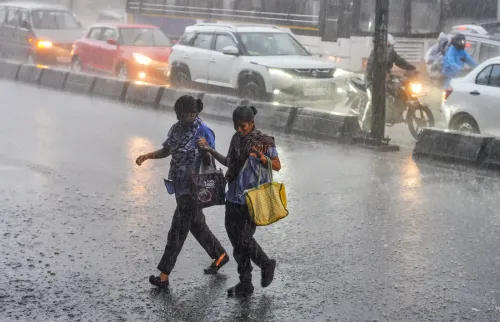
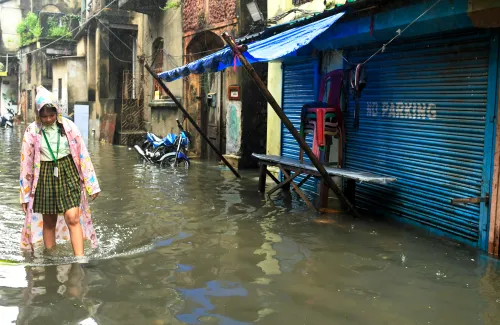
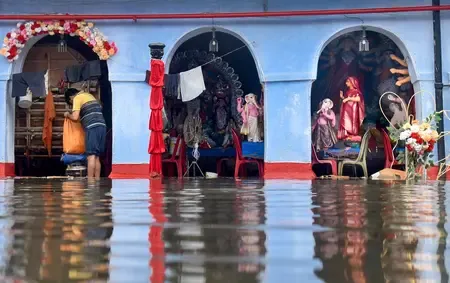
Continuous rainfall had caused severe waterlogging across the area. According to reports, a downed electric wire had made contact with the accumulated rainwater, effectively turning the flooded stretch into a live conductor. Unaware of the danger, Chakra walked through the waterlogged road, suffered a severe electric shock, and was declared brought dead at Shastri Nagar Hospital after the body was taken into custody by the Tilak Nagar Police Station.
A post-mortem examination was subsequently conducted, according to senior inspector Pankaj Bhalerao of Tilak Nagar Police Station.
Residents blame power department negligence
The incident has triggered public outrage in the locality. Residents alleged that the death was entirely preventable — had authorities either removed the live wire promptly or disconnected power supply to the affected stretch before the flooding worsened. They have demanded strict action against the officials responsible for the lapse.
This comes amid a broader pattern of monsoon-related civic failures in Mumbai, where waterlogging and infrastructure neglect have repeatedly proved fatal. Notably, just a day earlier, on Tuesday, an 11-year-old student was killed after a tree collapsed onto a school bus in Mumbai's Chembur area, leading to the suspension of officers found negligent in their duties.
Bribery allegation against police officer
The tragedy was compounded by a separate allegation from the victim's husband, Rahul Chakra, who claimed that a police officer demanded 'kharcha-pani' — a colloquial term for a bribe — from him during legal formalities at the hospital.
Senior inspector Bhalerao refuted the charge, explaining that since the family intended to transport the body to their native village, a mandatory two-day mortuary storage period applied, and the constable had merely informed the family of the official prescribed storage fee. 'Why would the police demand money from a poor family?' Bhalerao said, adding that if any wrongdoing is established, an inquiry will be conducted and appropriate action will follow.
The family has demanded a fair investigation into both the electrocution and the alleged bribery incident.
What happens next
With public anger mounting over civic negligence and the family's bribery allegation still unresolved, authorities face pressure on two fronts. The power department has yet to issue a formal response to the negligence charges. The fate of both probes — into the electrocution and the alleged demand for money — will be closely watched by residents and civil society groups in the coming days.
Point of View
And the fact that supply was not cut before the area flooded points to a systemic failure in coordination between the power utility and civic authorities. The bribery allegation, even if disputed, adds a layer of institutional distrust that authorities cannot afford to dismiss with a single denial. With another child dead in Chembur the same week, the city is confronting a monsoon season that is exposing the cost of chronic neglect.
NationPress
1 Oct 2026
Frequently Asked Questions
How did Shashi Rahul Chakra die in Mumbai?
Shashi Rahul Chakra, 24, died after walking through a waterlogged road in Dombivli East, Mumbai, on 2 July, where a snapped live electric wire had fallen and was conducting electricity through the floodwater. She suffered a severe electric shock and was declared brought dead at Shastri Nagar Hospital.
Who is responsible for the Dombivli electrocution death?
Local residents have blamed the power department for negligence, alleging that the fallen live wire was not removed in time and that electricity supply to the area was not disconnected despite waterlogging. No formal departmental response has been issued yet.
What is the bribery allegation against the Mumbai police?
The victim's husband, Rahul Chakra, alleged that a police officer demanded 'kharcha-pani' — a bribe — during hospital formalities. Senior inspector Pankaj Bhalerao denied the charge, saying the constable had only informed the family about a prescribed mortuary storage fee applicable since the body needed to be kept for two days before being transported to their native village.
What action has been taken after the Dombivli electrocution?
The body was taken into police custody, sent to Shastri Nagar Hospital, and a post-mortem was conducted. Senior inspector Bhalerao stated that an inquiry will be held if any wrongdoing is found regarding the bribery allegation. No action against the power department has been announced as of the report.
Is this an isolated incident in Mumbai this monsoon season?
No. Just a day before this incident, an 11-year-old student died after a tree collapsed onto a school bus in Mumbai's Chembur area, leading to the suspension of officers found negligent. The two deaths within 24 hours have intensified scrutiny of Mumbai's monsoon preparedness.