India-Moldova ties: Murmu's historic visit seals trade, tech and energy pacts
Synopsis
For the first time in over three decades of diplomatic ties, an Indian President set foot in Moldova — and President Murmu didn’t just mark the occasion symbolically. From doubling ITEC training slots to pushing Moldova toward the Global Biofuels Alliance, the Chisinau summit laid a surprisingly detailed cooperation blueprint across AI, clean energy, pharma, and regional peace — a sign of India quietly deepening its Eastern European footprint.
Key Takeaways
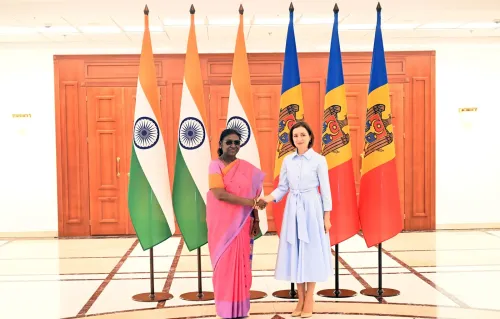
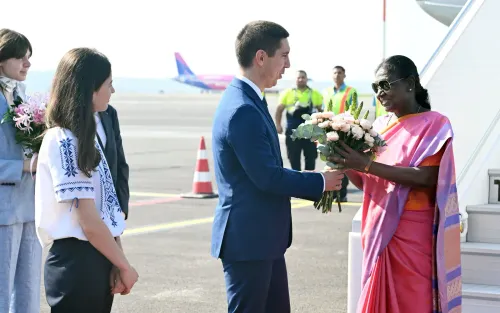
President Droupadi Murmu held talks with Moldovan President Maia Sandu in Chisinau on 20 July , the first-ever State Visit by an Indian President to Moldova.
Both sides agreed to strengthen cooperation in trade, investments, supply chains, agriculture, healthcare, renewable energy, digital infrastructure, and AI .
India will double ITEC training slots for Moldovan professionals, with specialised courses in AI and emerging technologies .
Moldovan diplomats are invited to attend AI and cyber diplomacy courses at India’s Foreign Service Institute .
President Murmu urged Moldova to join the Coalition for Disaster Resilient Infrastructure and the Global Biofuels Alliance .
Both leaders reaffirmed commitment to dialogue and diplomacy on regional and global disputes.
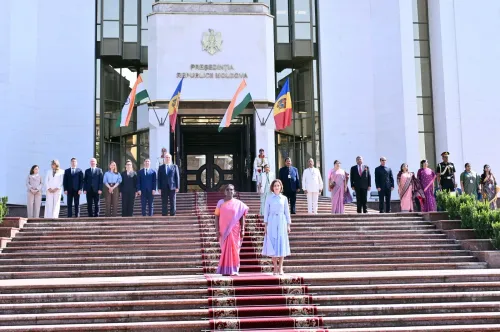
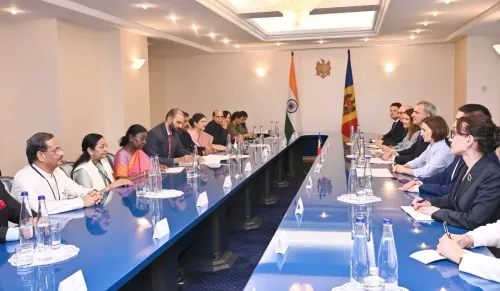
President Droupadi Murmu on Monday, 20 July held summit-level talks with Moldovan President Maia Sandu at the Presidential Palace in Chisinau, with both sides agreeing to deepen bilateral cooperation across trade, investments, supply chains, connectivity, agriculture, renewable energy, digital infrastructure, and artificial intelligence. The visit marks the first-ever State Visit by an Indian President to Moldova, a milestone the two leaders described as reflecting the growing trust between the nations.
What the Two Leaders Agreed On
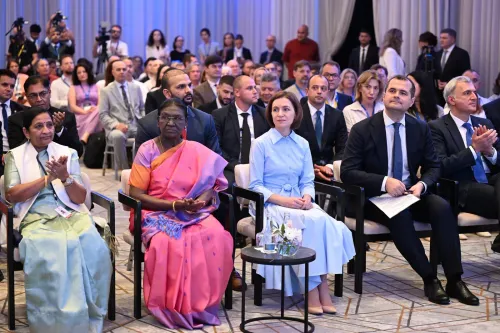
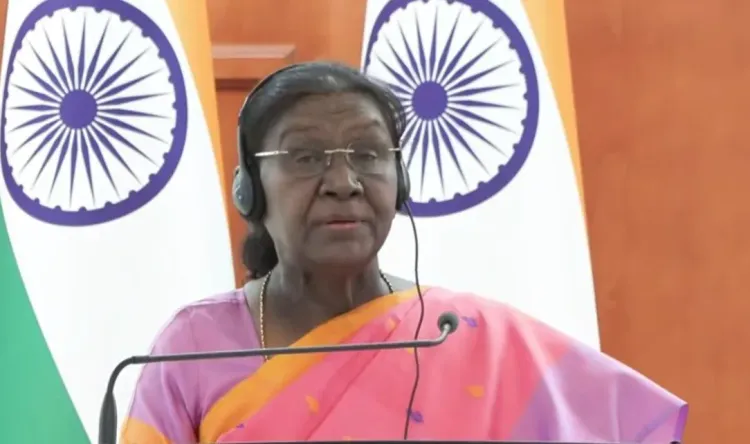
At a joint press conference following their bilateral talks, President Murmu said she and President Sandu reviewed the full spectrum of the India-Moldova partnership and committed to expanding it in sectors critical to both economies. “Economic cooperation is an important pillar of our partnership. We agreed to increase cooperation in trade, investments, strengthen supply chains, and improve connectivity,” Murmu stated.
The two sides identified agriculture, logistics and infrastructure, healthcare and pharmaceuticals, renewable energy, digital public infrastructure, artificial intelligence, and innovation as priority areas for structured cooperation going forward.
Education, Technology and Capacity Building
President Murmu announced that India will double its ITEC training slots for Moldovan professionals, with a specific focus on artificial intelligence and emerging technologies. Moldovan diplomats have also been invited to attend specialised AI and cyber diplomacy courses at India’s Foreign Service Institute.
Murmu described education and capacity building as “strong pillars” of the bilateral relationship, flagging institutional partnerships in higher education as a key area both presidents discussed. The move signals India’s intent to use its established technical cooperation frameworks to build deeper people-to-people and institutional ties with Eastern European nations.
Clean Energy and Global Alliances
President Murmu noted that cooperation between India and Moldova under the International Solar Alliance is already progressing. She expressed hope that Moldova would also join the Coalition for Disaster Resilient Infrastructure and the Global Biofuels Alliance — two multilateral frameworks championed by India in recent years.
This comes amid India’s broader diplomatic push to expand membership of these alliances across Europe and Central Asia, as New Delhi seeks to position itself as a leader in the global clean energy transition.
India’s Position on Regional Stability
With Moldova sharing a border with conflict-affected Ukraine, regional security featured in the bilateral exchange. President Murmu reaffirmed India’s longstanding position on international disputes: “India has consistently advocated for dialogue and diplomacy to resolve disputes and tensions. We have always stood for peace.”
Both presidents agreed to continue coordination on “common global challenges” and to contribute toward “a peaceful, stable, and prosperous world order,” according to Murmu’s remarks at the press conference.
Significance of the Visit
India and Moldova have maintained diplomatic relations for over three decades, but engagement at the highest level has historically been limited. This visit — the first by an Indian head of state to Chisinau — signals a deliberate effort to expand India’s diplomatic footprint in Eastern Europe at a time when the region is navigating significant geopolitical uncertainty. With structured cooperation now agreed across nearly a dozen sectors, both governments are expected to formalise implementation roadmaps in the months ahead.
Point of View
New Delhi is carefully positioning itself as a partner of choice for smaller European states seeking non-aligned, development-focused relationships. The sectoral breadth of Monday’s agreements — spanning AI, pharma, solar energy, and cyber diplomacy — suggests this is not a courtesy visit but a structured outreach. The real test will be whether these commitments translate into signed frameworks and measurable trade growth, or remain aspirational joint statements, as has often been the case with India’s smaller bilateral partnerships.
NationPress
20 Oct 2026
Frequently Asked Questions
What was agreed during President Murmu’s visit to Moldova?
India and Moldova agreed to deepen cooperation across trade, investments, supply chains, agriculture, healthcare, pharmaceuticals, renewable energy, digital public infrastructure, and artificial intelligence. The visit also saw India commit to doubling ITEC training slots for Moldovan professionals and inviting Moldovan diplomats to AI and cyber diplomacy courses at India’s Foreign Service Institute.
Why is President Murmu’s Moldova visit historically significant?
It is the first-ever State Visit by an Indian President to Moldova, despite the two countries having maintained diplomatic relations for over three decades. The visit marks a deliberate effort to elevate bilateral ties and expand India’s engagement in Eastern Europe.
What is the ITEC programme and how does it benefit Moldova?
The Indian Technical and Economic Cooperation (ITEC) programme funds training and capacity-building for professionals from partner countries. India has agreed to double Moldova’s ITEC slots, with a focus on AI and emerging technologies, giving Moldovan professionals expanded access to Indian expertise.
What global alliances did India invite Moldova to join?
President Murmu expressed hope that Moldova would join the Coalition for Disaster Resilient Infrastructure and the Global Biofuels Alliance, two multilateral frameworks championed by India. Cooperation under the International Solar Alliance is already underway between the two countries.
What was India’s position on regional security during the Moldova visit?
President Murmu reaffirmed India’s longstanding stance that disputes must be resolved through dialogue and diplomacy. Both presidents agreed to work together on common global challenges and contribute to a peaceful and stable world order, a significant statement given Moldova’s proximity to the Ukraine conflict.