Nashik man detained for circulating fake ₹500 notes at Yeola vegetable market
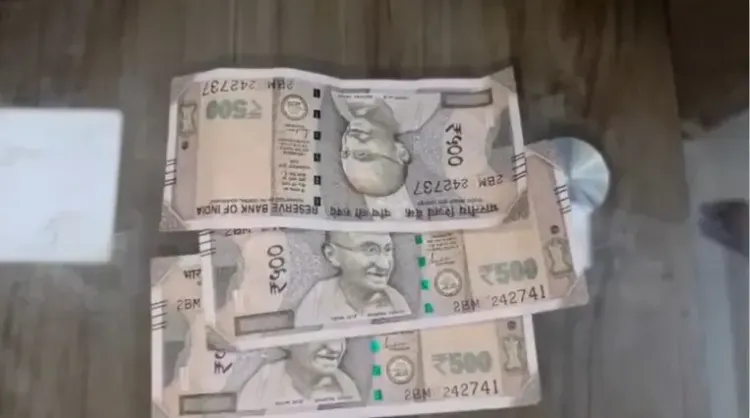
Synopsis
Vegetable vendors in Yeola, Nashik, caught a man allegedly passing fake ₹500 notes during routine purchases and tipped off police — leading to his detention and the seizure of 58 suspected counterfeit notes. Investigators are now probing whether he is part of a larger fake-currency network.
Key Takeaways
A man was detained in Yeola taluka, Nashik on 17 October 2026 for allegedly circulating counterfeit ₹500 notes.
58 suspected fake currency notes of ₹500 denomination were seized by police.
The suspect was identified by alert vegetable vendors near Kotamgaon Bridge , who noticed irregularities in the notes.
The seized notes are undergoing forensic examination to confirm authenticity and trace their source.
Police are investigating whether the suspect acted alone or belongs to a larger counterfeit currency network.
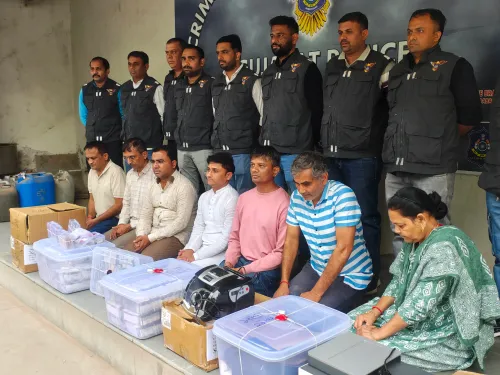
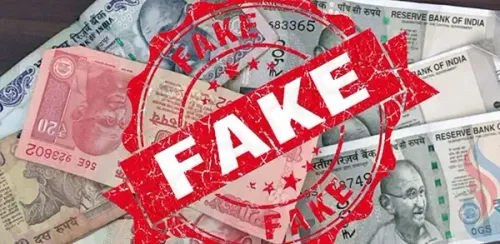
Police in Yeola taluka, Nashik district, detained a man on 17 October 2026 for allegedly attempting to pass off counterfeit ₹500 currency notes at a vegetable market near Kotamgaon Bridge in Maharashtra. A total of 58 suspected fake notes were seized during the operation, and an investigation is currently underway, according to officials.
How the Incident Unfolded
Vegetable vendors at the local market first grew suspicious when a man allegedly attempted to purchase produce using currency notes that appeared unusual. Noticing irregularities in the notes handed over during transactions, the vendors promptly alerted the police without delay.
Officers responded swiftly to the complaint, reaching the market and taking the suspected individual into custody for questioning. A search of the person's belongings led to the recovery of 58 suspected counterfeit notes of the ₹500 denomination.
Investigation Under Way
The seized currency notes are currently being examined by authorities to confirm whether they are indeed counterfeit and to determine their origin. Officials have not yet disclosed the identity of the detained individual, nor have they confirmed the authenticity of all recovered notes, pending forensic examination.
Investigators are probing whether the detained person was acting alone or formed part of a larger network involved in producing or distributing fake currency. They are also attempting to establish where the notes were printed or sourced, how long they may have been in circulation, and whether comparable incidents have been reported in nearby areas of Nashik district.
Concerns Among Local Traders
The incident has triggered apprehension among local traders and vegetable vendors, who fear that counterfeit notes could infiltrate the market through small, everyday cash transactions — the kind that rarely attract scrutiny. Vendors alleged that the suspect was deliberately targeting the informal vegetable trade, where cash changes hands quickly and notes are seldom closely examined.
This is not an isolated concern in rural Maharashtra; small markets and weekly bazaars have historically been identified by law enforcement as vulnerable points for the circulation of fake currency, given the volume of low-denomination cash transactions and limited access to note-verification tools.
What Happens Next
Further legal action against the detained individual will depend on the findings of the currency examination and the broader investigation. If the notes are confirmed as counterfeit, the case could attract charges under the Indian Penal Code provisions relating to counterfeiting and circulation of fake currency, which carry stringent penalties. Officials have indicated that the probe may be expanded if links to a wider network are established.
Point of View
Not banking channels, who flagged the suspected notes highlights both civic alertness and the absence of verification infrastructure at the grassroots level. With 58 notes allegedly seized from a single individual, the key investigative question is sourcing: lone actors rarely print at scale. If a supply chain is confirmed, this small-town detention could point to a wider regional network.
NationPress
17 Oct 2026
Frequently Asked Questions
What happened in the Nashik fake currency case?
Police in Yeola taluka, Nashik, detained a man on 17 October 2026 after vegetable vendors reported him for allegedly attempting to purchase produce with suspected counterfeit ₹500 notes near Kotamgaon Bridge. A total of 58 suspected fake notes were seized and are under examination.
How many fake notes were seized in the Nashik incident?
Police seized 58 suspected counterfeit currency notes of the ₹500 denomination from the detained individual. The notes are currently being examined to confirm whether they are fake and to determine their source.
Who alerted the police about the fake notes?
Local vegetable vendors at the market near Kotamgaon Bridge noticed unusual features in the currency notes being used to buy produce and promptly informed the police, leading to the suspect's detention.
Is the detained person part of a larger counterfeit currency network?
Investigators are currently probing whether the suspect acted alone or is linked to a broader network involved in printing or distributing fake currency. The origin of the notes and whether similar incidents have occurred in nearby areas are also being examined.
What charges could the detained person face?
If the notes are confirmed as counterfeit, the individual could face charges under Indian Penal Code provisions relating to the counterfeiting and circulation of fake currency, which carry serious penalties. Formal charges will depend on the outcome of the forensic examination and investigation.