Natural Farming in Andhra Pradesh Increases Productivity and Incomes by 30%
Synopsis
A transformative initiative in Andhra Pradesh led by the government and UNEP has resulted in a 30% surge in farmer incomes through natural farming. This project aims to expand its reach and set a benchmark for sustainable agriculture globally.
Key Takeaways
30% increase in productivity and income for farmers.
Aimed to double the number of farmers participating.
Utilizes natural bio-stimulants instead of chemicals.
Promotes soil health and biodiversity.
Engages with the private sector for better market access.
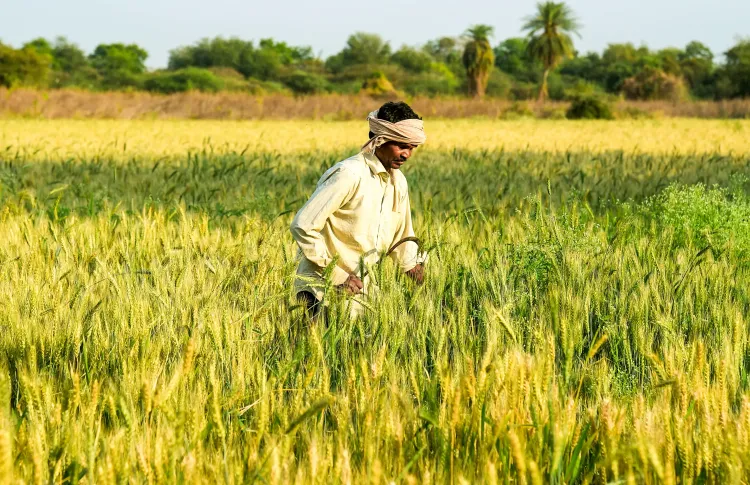
New Delhi, April 17 (NationPress) A recent report highlights that a project initiated by the government and the UN Environment Programme (UNEP) has led to a remarkable 30% rise in productivity and farmer earnings through the promotion of natural farming practices in Andhra Pradesh.
This initiative has already reached more than 3 million farmers, with ambitions to expand its outreach and disseminate insights globally, as outlined in the UNEP's report.
Known as the Andhra Pradesh Community Managed Natural Farming initiative (APCNF), this program originated from a 2004 Community Managed Sustainable Agriculture initiative. It replaces chemical fertilizers and pesticides with natural bio-stimulants derived from components like cow urine and dung.
The use of these bio-stimulants revitalizes soil microbes, enhancing soil fertility by breaking down organic materials and releasing essential nutrients.
“Minimal quantities of bio-stimulants will stimulate the soil microbes. In a few years, we won’t even need them as the soil’s health improves,” explained Dinesh Kumar, a local government representative.
A diverse range of plants will nourish the soil, sustaining its health and allowing it to support plants without external fertilizers, according to the philosophy of the program.
Andhra Pradesh has faced challenges with dwindling soil fertility due to unpredictable rainfall patterns and a significant loss of biodiversity linked to monocropping.
Madhuri Nanda, Director for South Asia at Rainforest Alliance, noted that monocropping leads to soil degradation, increased water runoff, and nutrient leaching.
Burudi Kumari, who has been practicing natural farming for five years, shared that her soil quality has improved, resulting in reduced fertilizer costs and higher earnings.
Now a lead farmer in her self-help group, Kumari assists others in making the shift to natural farming. “I take great pride in being selected as a lead farmer, guiding others into natural farming practices,” she remarked.
The sustainability of food cultivation is intertwined with adequate farmer incomes, prompting the initiative to collaborate with the private sector, linking farmers to markets, and bolstering consumer trust through certification and traceability.
Point of View
It is crucial to recognize the significant strides being made towards sustainable agriculture in India. The Andhra Pradesh initiative showcases the potential of natural farming to enhance productivity and income for farmers, addressing pressing issues like soil fertility and biodiversity loss. This approach could serve as a model for regions facing similar challenges.
NationPress
19 Sept 2026
Frequently Asked Questions
What is the Andhra Pradesh Community Managed Natural Farming initiative?
The Andhra Pradesh Community Managed Natural Farming initiative (APCNF) promotes natural farming practices, replacing chemical fertilizers and pesticides with bio-stimulants, enhancing soil health and farmer incomes.
How much has farmer productivity increased in Andhra Pradesh?
Farmer productivity has increased by at least 30% due to the natural farming initiative.
How many farmers are involved in the initiative?
The initiative has reached over 3 million farmers and aims to double this number.
What are bio-stimulants?
Bio-stimulants are natural substances, like cow urine and dung, that enhance soil fertility by stimulating microbial activity.
Why is sustainable farming important?
Sustainable farming is essential for maintaining soil health, increasing biodiversity, and ensuring food security for future generations.