NCB's Operation WIPE Busts 122 Online Drug Trafficking Cases
Synopsis
India's NCB has uncovered 122 cases of illegal online pharmaceutical drug sales across 62 substances — including Fentanyl — through Operation WIPE, forcing platforms like IndiaMart to delist products and suspend vendors. The crackdown links to a transnational syndicate with roots in Karnataka's Udupi and a kingpin based in the UAE.
Key Takeaways
Operation WIPE by the NCB has identified 122 instances of illegal online drug trafficking involving 62 substances , including Fentanyl, Diazepam, and Clonazepam .
58 of the 62 substances are regulated under the NDPS Act ; four are classified as controlled substances.
Platforms IndiaMart, TradeIndia, and Dial4Trade removed flagged listings and suspended vendors after receiving formal NCB notices.
The operation is linked to Operation MED-MAX (July 2025) , which busted a transnational syndicate with a call centre in Udupi, Karnataka and a kingpin based in the UAE .
The original MED-MAX case was triggered by the seizure of 3.7 kg of tramadol tablets in India and involved coordination with the US DEA and Australian Federal Police .
Payments in the syndicate were routed through cryptocurrencies and PayPal , with international re-shippers used for last-mile delivery across multiple continents.
New Delhi, April 26: The Narcotics Control Bureau (NCB) has launched a sweeping digital crackdown called Operation WIPE — short for Web-based Illicit Activities Prevention and Enforcement — uncovering 122 instances of illegal online drug trafficking across 62 substances, including highly abused pharmaceuticals such as Clonazepam, Diazepam, and Fentanyl. The operation marks a decisive shift in India's anti-narcotics strategy, moving from reactive enforcement to proactive digital surveillance of e-commerce and B2B platforms.
What Is Operation WIPE and How It Works
Operation WIPE is designed to prevent the misuse of online platforms for the illegal sale and distribution of pharmaceutical drugs regulated under the Narcotic Drugs and Psychotropic Substances (NDPS) Act. The NCB's technical teams deployed advanced monitoring tools and leveraged international intelligence inputs to scan the surface web for suspicious drug listings.
Of the 122 violations identified, 58 substances fall under the NDPS Act, while four are classified as controlled substances. The NCB issued formal notices to implicated online platforms, directing immediate removal of flagged listings and suspension of suspicious vendors.
Platforms including IndiaMart, TradeIndia, and Dial4Trade have already taken corrective action following verification by NCB officials, including delisting of prohibited pharmaceutical products and banning of rogue sellers.
Key Findings and Substances Flagged
The operation targeted a range of commonly abused pharmaceutical drugs that are legally regulated but frequently exploited for illicit purposes. Fentanyl — a synthetic opioid up to 100 times more potent than morphine — was among the most alarming substances detected, given its role in overdose deaths globally.
A comprehensive list of NDPS-regulated substances has been shared with online platforms to enable proactive identification and removal of such listings before they facilitate actual trafficking. The NCB emphasized that no legitimate documentation was being sought by vendors, raising serious public health and law enforcement concerns.
Connection to Operation MED-MAX: A Transnational Syndicate Exposed
Operation WIPE builds directly on the success of Operation MED-MAX, an earlier crackdown conducted in July 2025, which dismantled a highly sophisticated transnational drug trafficking syndicate operating across Asia, North America, Europe, and Australia.
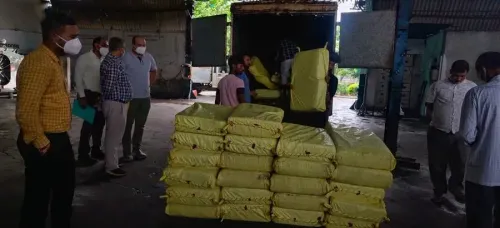
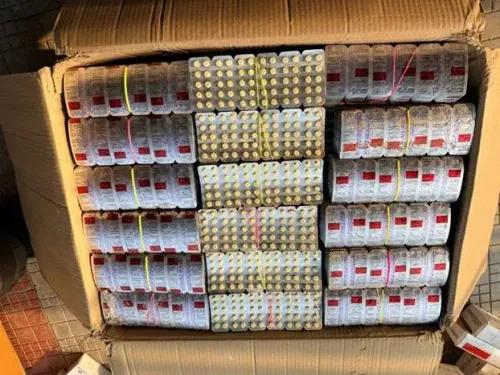
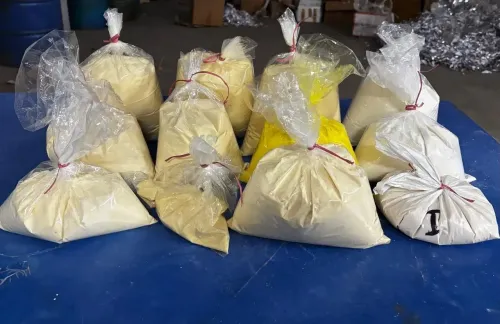
That operation was conducted jointly by NCB India, the US Drug Enforcement Administration (DEA), the Australian Federal Police (AFP), and other foreign drug law enforcement agencies. The case originated from the seizure of 3.7 kg of tramadol tablets in India, which unravelled an organised global network exploiting digital B2B platforms for illicit pharmaceutical trade.
Investigations revealed that the syndicate operated a call centre in Udupi, Karnataka, which processed global orders through a leading online B2B platform. Payments were routed through cryptocurrencies, PayPal, and international remittance channels, while overseas re-shippers handled last-mile delivery to customers worldwide.
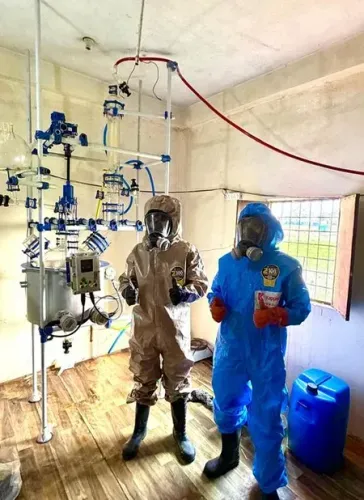
The coordinated global crackdown led to multiple arrests, identification of the kingpin based in the UAE, and enforcement actions abroad, including seizures and dismantling of clandestine facilities.
Why This Matters: India's Digital Drug Economy Under Scrutiny
The emergence of online drug trafficking through mainstream B2B and e-commerce platforms represents a new frontier in narcotics enforcement that traditional policing methods are ill-equipped to handle. The fact that platforms like IndiaMart — used daily by millions of legitimate businesses — were being exploited for drug sales underscores a systemic vulnerability in India's digital commerce ecosystem.
Critics and public health experts argue that platform accountability must be strengthened through clearer regulatory mandates, faster takedown protocols, and mandatory reporting of suspicious pharmaceutical listings. The NCB's move to share a pre-approved list of NDPS substances with platforms is a step in the right direction, but enforcement gaps remain significant.
This also comes amid rising global concern over the fentanyl crisis, which has devastated communities in the United States and is increasingly being tracked in South and Southeast Asia. India's role as a pharmaceutical manufacturing hub makes it both a target and a potential transit point for synthetic opioid trafficking networks.
What Happens Next
The NCB has confirmed that its technical teams will continue monitoring the surface web using advanced tools and real-time international intelligence to detect emerging threats. Further notices to non-compliant platforms are expected, and legal action against vendors identified during the operation is likely to follow.
As India's digital economy grows, the intersection of e-commerce and narcotics trafficking will demand stronger inter-agency coordination, platform regulation, and cross-border intelligence sharing. Operation WIPE signals that the NCB is now treating the digital domain as a primary battleground in India's war on drugs — a posture that is likely to intensify in the months ahead.
Point of View
With mainstream B2B platforms unknowingly — or insufficiently vigilantly — hosting listings for NDPS-regulated drugs. The NCB's pivot to proactive digital surveillance is overdue, but the real accountability question is why platforms like IndiaMart required a government notice before removing illegal pharmaceutical listings. The Udupi call centre revelation is particularly damning — it shows that transnational drug syndicates are not operating in shadows but in plain sight, using tools any startup would recognise. India must now treat platform liability in drug trafficking as seriously as it does financial fraud.
NationPress
18 Sept 2026
Frequently Asked Questions
What is Operation WIPE launched by NCB India?
Operation WIPE stands for Web-based Illicit Activities Prevention and Enforcement, a new NCB initiative targeting illegal online sales of pharmaceutical drugs regulated under the NDPS Act. It has identified 122 violations involving 62 substances, including Fentanyl, Diazepam, and Clonazepam, on platforms like IndiaMart and TradeIndia.
Which drugs were found being sold illegally online in Operation WIPE?
The NCB identified 62 substances being illegally listed online, including commonly abused drugs such as Clonazepam, Diazepam, and Fentanyl. Of these, 58 fall under the NDPS Act and four are classified as controlled substances.
What action did IndiaMart and TradeIndia take after NCB notices?
Following verification by the NCB, platforms including IndiaMart, TradeIndia, and Dial4Trade removed flagged drug listings and suspended suspicious vendors. The NCB also shared a comprehensive list of NDPS-regulated substances to help platforms proactively screen future listings.
What was Operation MED-MAX and how is it connected to Operation WIPE?
Operation MED-MAX was a July 2025 crackdown conducted jointly by NCB India, the US DEA, and the Australian Federal Police that dismantled a transnational drug syndicate operating across Asia, North America, Europe, and Australia. Operation WIPE builds on that success by extending digital surveillance to prevent similar networks from exploiting online platforms.
How was the transnational drug syndicate operating through digital platforms?
The syndicate ran a call centre in Udupi, Karnataka, that processed global drug orders placed through a leading B2B platform without legitimate documentation. Payments were made via cryptocurrencies and PayPal, with international re-shippers handling deliveries — a model that blended e-commerce logistics with illicit narcotics trade.