NEET-UG 2026 leak: Pune prof named kingpin, Rajasthan teacher turns whistleblower
Synopsis
Two teachers, two radically different roles: the CBI has named a Pune chemistry professor as the alleged mastermind behind the NEET-UG 2026 paper leak, while a Sikar teacher's 1:30 am visit to a police station — and a persistent email to the NTA — set off the chain of events that brought the entire scandal to light. With 23 lakh students affected and eight arrests across five cities, the investigation is only deepening.
Key Takeaways
The CBI arrested Pune -based chemistry professor PV Kulkarni , naming him the alleged 'kingpin' of the NEET-UG 2026 paper leak.
Kulkarni allegedly accessed exam papers through his role in the NTA process and passed questions to students.
A teacher from Sikar, Rajasthan filed a complaint at 1:30 am on 4 May after finding roughly 90 chemistry questions in a suspect document matching the actual paper.
The teacher's email to the NTA on 7 May triggered the escalation to the SOG and subsequently the CBI .
Eight accused have been arrested from Jaipur , Gurugram , Nashik , Pune , and Ahilyanagar ; five remanded in custody for seven days .
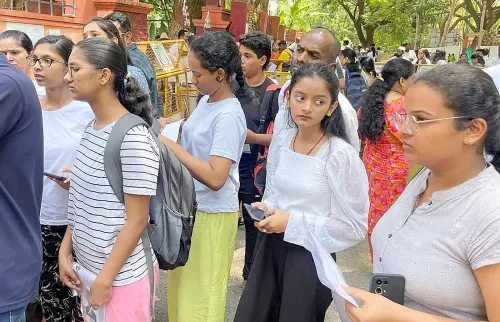
The leak potentially affected nearly 23 lakh students who appeared for the examination.
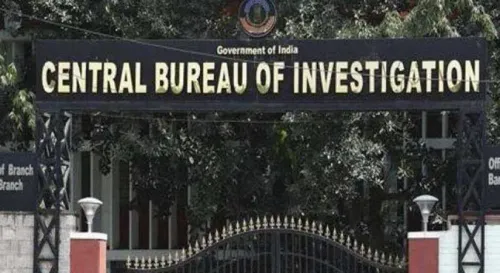
The NEET-UG 2026 paper leak scandal has thrust two teachers into the national spotlight — one accused of masterminding the breach, the other credited with exposing it. The Central Bureau of Investigation (CBI) has arrested Pune-based chemistry professor PV Kulkarni, naming him the alleged 'kingpin' of a conspiracy that affected nearly 23 lakh students across India. Meanwhile, a teacher from Sikar, Rajasthan, has emerged as the whistleblower whose persistence triggered the nationwide probe.
The Alleged Kingpin: PV Kulkarni
According to the CBI, Kulkarni allegedly had access to the NEET-UG examination papers through his involvement in the process on behalf of the National Testing Agency (NTA). Investigators allege he misused that access to pass on questions to students ahead of the 4 May examination. The CBI has described his role as central to the conspiracy, though the full extent of the alleged network is still under investigation.
This comes amid a broader pattern of examination integrity failures in India, where high-stakes competitive tests have repeatedly faced allegations of leaks and malpractice. The NEET-UG, which serves as the sole gateway to undergraduate medical admissions, is among the most consequential such exams in the country.
The Whistleblower: A Sikar Teacher's Late-Night Alert
Just hours after the examination concluded on 4 May, a teacher associated with a reputed coaching institute in Sikar — a town synonymous with India's competitive exam preparation industry — walked into the Udyog Nagar police station at around 1:30 am carrying a suspicious set of documents. The papers initially appeared to be a routine handwritten 'guess paper,' common ahead of major examinations.
However, on closer inspection, the teacher found the document — reportedly around 60 pages — contained approximately 90 chemistry questions that matched the actual NEET paper, along with several biology questions. That discovery transformed suspicion into a formal complaint.
How the Complaint Escalated
Local police reportedly asked the teacher to submit a written complaint but did not register a formal FIR at that stage. He also approached media contacts, but his claims initially drew little attention. Undeterred, on the night of 7 May, he sent a formal email to the NTA, offering to surrender his mobile phone for forensic examination and urging an independent probe. He warned that the futures of millions of students were at stake.
That email proved decisive. The NTA reportedly alerted central agencies, prompting Rajasthan's Special Operations Group (SOG) to begin an investigation. The case was subsequently transferred to the CBI. Notably, investigators found no evidence linking the Sikar teacher to the alleged leak network; documents had reportedly reached him only after the exam had concluded.
Raids, Arrests, and What Investigators Found
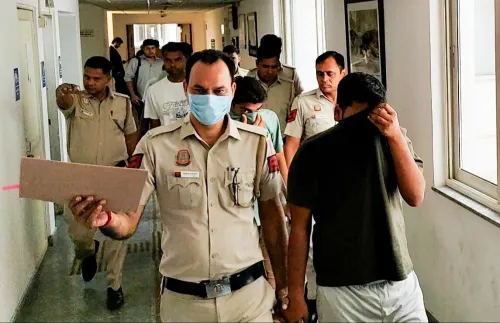
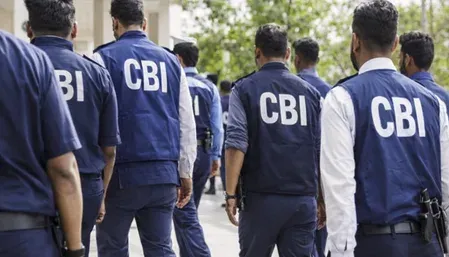
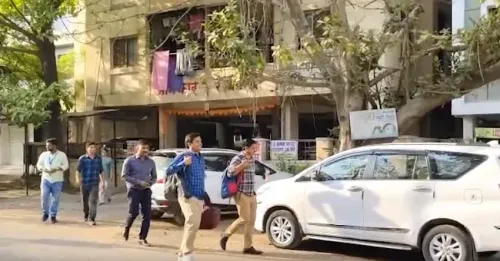
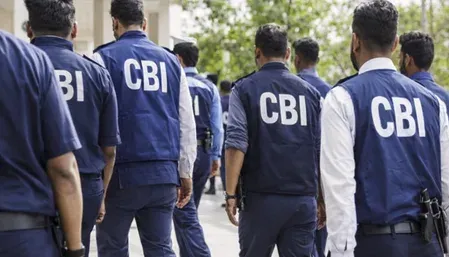
Over a 24-hour period, the CBI conducted raids at multiple locations across the country, seizing crucial documents, electronic devices, and mobile phones, all of which are undergoing forensic and technical analysis. A total of eight accused have been arrested from Jaipur, Gurugram, Nashik, Pune, and Ahilyanagar. Five of the accused were produced before a court on Thursday and remanded in custody for seven days.
Investigators are now working to determine the geographical spread of the alleged leak network across states, how widely the paper circulated, and whether a larger organised operation was behind the breach. The CBI's findings from forensic analysis are expected to provide further leads in the days ahead.
Point of View
Reportedly embedded in the NTA's own process, could access and distribute question papers points to a systemic failure of access controls, not just individual misconduct. What is equally telling is the institutional inertia the Sikar whistleblower encountered: police who did not register an FIR, media that did not bite, and a system that moved only after a formal email forced the NTA's hand. With 23 lakh students' futures in the balance, the question is not just who leaked the paper — it is why the safeguards failed so completely, and whether the CBI's arrests address the network or merely its visible nodes.
NationPress
7 Oct 2026
Frequently Asked Questions
Who is PV Kulkarni and why has he been arrested in the NEET-UG 2026 case?
PV Kulkarni is a Pune-based chemistry professor arrested by the CBI as the alleged 'kingpin' of the NEET-UG 2026 paper leak. He is accused of accessing the exam papers through his involvement in the NTA's process and passing questions to students ahead of the 4 May examination.
Who is the Rajasthan whistleblower in the NEET 2026 paper leak case?
The whistleblower is a teacher from Sikar, Rajasthan, associated with a coaching institute there. He visited a police station at around 1:30 am on 4 May with a suspect document, and later emailed the NTA on 7 May, triggering the formal investigation that led to CBI involvement.
How many students were affected by the NEET-UG 2026 paper leak?
Nearly 23 lakh students who appeared for the NEET-UG 2026 examination on 4 May are potentially affected by the alleged paper leak. Investigators are working to determine how widely the paper circulated and who may have benefited.
How many arrests have been made in the NEET 2026 leak case so far?
The CBI has arrested eight accused from Jaipur, Gurugram, Nashik, Pune, and Ahilyanagar. Five of the accused were produced before a court on Thursday and remanded in custody for seven days.
What is the NTA's role in the NEET-UG 2026 paper leak investigation?
The National Testing Agency (NTA) conducts the NEET-UG examination and is at the centre of the controversy, as the alleged kingpin reportedly had access to papers through the NTA's own process. The NTA alerted central agencies after receiving the Sikar teacher's whistleblower email, leading to the SOG and subsequently CBI taking up the investigation.