NEET 2026 paper leak: CBI grills 'kingpin' Kulkarni, 'Latur pattern' under scanner
Synopsis
A Pune chemistry professor with insider NTA access allegedly ran a coaching-linked syndicate that sold NEET 2026 questions for as much as Rs 25 lakh per student — and the CBI now suspects the same network may have compromised previous years' papers too. The 'Latur pattern,' long celebrated as Maharashtra's model of NEET excellence, is now at the centre of India's biggest medical entrance scandal.
Key Takeaways
Kulkarni , a Pune -based chemistry professor from Latur , is the CBI's 8th arrest in the NEET 2026 paper leak case, which has affected nearly 23 lakh students .
Kulkarni allegedly used his access as an NTA -linked exam setter to leak question papers; he reportedly ran 'Raj Coaching Classes' from his Pune residence.
The alleged syndicate, run with associate Manisha Waghmare , charged students between Rs 25,000 and Rs 25 lakh for access to the leaked paper.
On the day of the NEET exam, Rs 10 lakh was reportedly transferred into Waghmare's bank account, with multiple students sending Rs 25,000 each.
The CBI is now probing Kulkarni's role in the alleged NEET 2024 paper leak and all previous exams he helped set.
The 'Latur pattern' — historically associated with high NEET success rates — has come under intense scrutiny as coaching institutes in the district face CBI questioning.
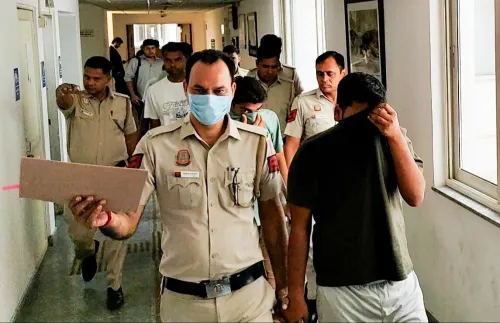
The Central Bureau of Investigation (CBI) has intensified its probe into the NEET 2026 paper leak scandal — a case that has imperilled the futures of nearly 23 lakh students — following the arrest of Pune-based chemistry professor P.V. Kulkarni, identified by officials as the alleged 'kingpin' and primary source of the leaked question paper. Kulkarni, originally from Maharashtra's Latur district, is the eighth arrest in the case and is now being questioned not only about the 2026 leak but about every examination paper he was involved in setting prior to his retirement.
How the Alleged Leak Was Orchestrated
According to investigators, Kulkarni had legitimate access to NEET question papers through his role in the examination process on behalf of the National Testing Agency (NTA). Officials allege he exploited this access to circulate the paper to selected students and associates ahead of the examination.
Kulkarni allegedly ran private coaching classes in Pune under the name 'Raj Coaching Classes' from his residence. During the final week of April — just days before the NEET exam — he reportedly conducted a session in which he dictated questions, answer choices, and correct responses while students transcribed them into notebooks.
Investigators further allege that the operation was run in a systematic, layered manner alongside his alleged associate Manisha Waghmare. The duo reportedly approached students across Pune and multiple districts in Maharashtra through a chain-like syndicate that held seminars at various locations to identify candidates. Older students — many from engineering or other academic backgrounds — were allegedly recruited as agents to expand the network's reach.
The Money Trail
A senior Pune Police officer stated: 'We discovered that on the day of the NEET examination, Rs 10 lakh was transferred into Waghmare's bank account. Furthermore, several students had transferred sums of Rs 25,000 each to Manisha Waghmare.'
According to investigators, the syndicate allegedly targeted students based on academic performance and financial condition. Using data reportedly provided by Kulkarni — who is suspected to have had extensive access to student-related data through his involvement in the examination ecosystem — members analysed mock test results and coaching institute records to identify vulnerable candidates.
Students from affluent families were allegedly charged large sums running into lakhs, while economically weaker students were reportedly used as operational tools within the network. The amount allegedly paid for access to the leaked paper is said to have ranged from as high as Rs 25 lakh to as low as Rs 25,000.
The 'Latur Pattern' Under Scrutiny
Latur has long been regarded as one of Maharashtra's foremost hubs for medical entrance preparation, with exceptionally high NEET success rates giving rise to the term 'Latur pattern' — associated with intensive coaching methods and academic rigour. That same reputation is now under intense scrutiny.
Sources familiar with the investigation said the 'Latur pattern' of NEET coaching has emerged as a major focus of the inquiry. The CBI has already questioned owners of several coaching institutes in Latur and examined the institutes themselves. Notably, Latur was not initially considered a focal point; it came into focus after a parent filed a complaint and district police alerted the CBI about findings from their local investigation.
Scope of the CBI Probe Widens
Senior police sources indicated that Kulkarni's role is also being examined in connection with the alleged NEET 2024 paper leak and other similar cases. Before the case was transferred to the CBI, senior local police officials had already begun mapping possible links between coaching networks, exam setters, and agents operating across Maharashtra.
Investigators are now attempting to determine how deeply the network penetrated the NEET preparation ecosystem and whether similar methods were employed in previous years. The alleged involvement of coaching centres, academic intermediaries, and former examination-linked personnel has raised serious concerns about the integrity of the medical entrance examination system and its vulnerability to organised criminal networks.
As the CBI continues its interrogation of Kulkarni and pursues further arrests, the case is expected to test the accountability mechanisms surrounding India's most high-stakes medical entrance examination.
Point of View
With no firewall between the two roles. The 'Latur pattern' paradox is particularly telling — a region celebrated for producing toppers is now suspected of producing a fraud network, suggesting that exceptional success rates may have warranted scrutiny long before this crisis. The CBI's widening of the probe to cover 2024 and earlier years raises an uncomfortable question: how many NEET results over the past decade reflect genuine merit, and how many reflect a compromised system that no one was incentivised to expose?
NationPress
23 Oct 2026
Frequently Asked Questions
Who is P.V. Kulkarni and why has the CBI arrested him?
P.V. Kulkarni is a Pune-based chemistry professor originally from Maharashtra's Latur district who had access to NEET question papers through his role in the NTA examination process. The CBI arrested him as its eighth suspect in the NEET 2026 paper leak case, alleging he misused his official access to leak papers to selected students through a coaching-linked syndicate.
What is the 'Latur pattern' and why is it under scrutiny?
The 'Latur pattern' refers to the intensive NEET coaching methodology associated with Latur district in Maharashtra, which has historically produced exceptionally high success rates in medical entrance exams. It is now under CBI scrutiny because Kulkarni — the alleged leak kingpin — hails from Latur, and investigators have questioned multiple coaching institutes in the district over suspected links to the paper leak syndicate.
How much did students allegedly pay for the leaked NEET 2026 paper?
According to investigators, the amount varied significantly based on the student's financial background — ranging from Rs 25 lakh for students from affluent families to as little as Rs 25,000 for economically weaker candidates. On the day of the exam, Rs 10 lakh was reportedly transferred into associate Manisha Waghmare's bank account.
Is the CBI also probing the NEET 2024 paper leak in connection with this case?
Yes. Senior police sources have indicated that Kulkarni's role is being examined in connection with the alleged NEET 2024 paper leak as well. The CBI is reportedly questioning him about every examination paper he was involved in setting before his retirement, given his long-standing access to the NTA examination ecosystem.
How many students have been affected by the NEET 2026 paper leak?
The NEET 2026 paper leak scandal has impacted the futures of nearly 23 lakh students who appeared for the examination. The CBI has made eight arrests so far and is widening its probe to include coaching institutes, academic intermediaries, and former NTA-linked personnel across Maharashtra.