Kishan Reddy Opens KPMG's Agrasar Bharat Manch on Mineral Security
Synopsis
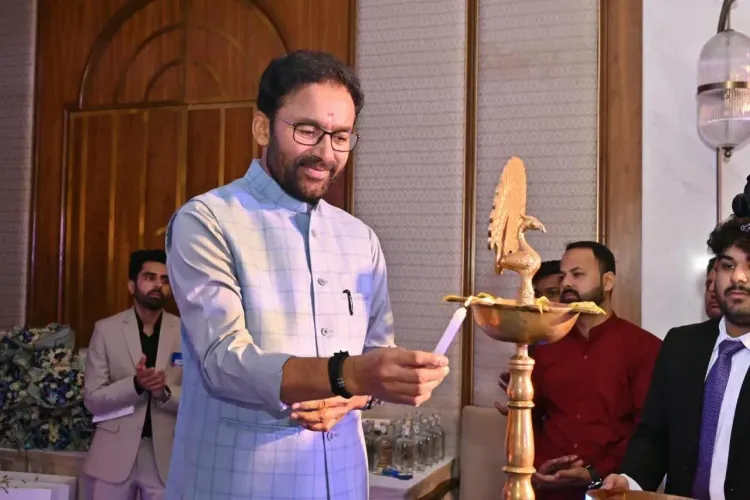
Union Coal and Mines Minister G. Kishan Reddy inaugurated the KPMG-hosted Agrasar Bharat Manch in New Delhi on October 23, spotlighting the Modi government's four-pillar agenda of mineral security, domestic exploration, advanced technology adoption and sustainable mining to power India's industrial and strategic growth.
Key Takeaways
Kishan Reddy delivered the inaugural address at KPMG's Agrasar Bharat Manch in New Delhi on October 23, 2026 .
He outlined four priorities: mineral security , domestic exploration , advanced technologies and sustainable mining practices .
The push aligns with Atmanirbhar Bharat goals to cut import dependence on critical minerals for EVs, renewables and defence.
Foundational reforms — the National Mineral Policy 2019 and the MMDR Amendment Act 2021 — underpin the current policy drive.
Upcoming critical mineral block auctions and exploration licensing updates are the key near-term milestones to watch.
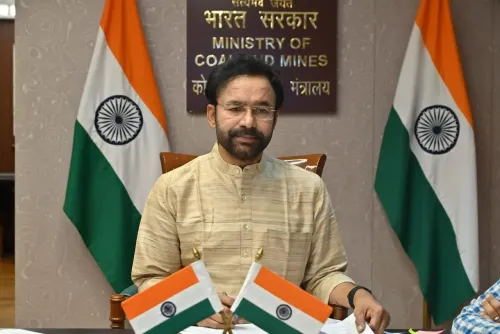
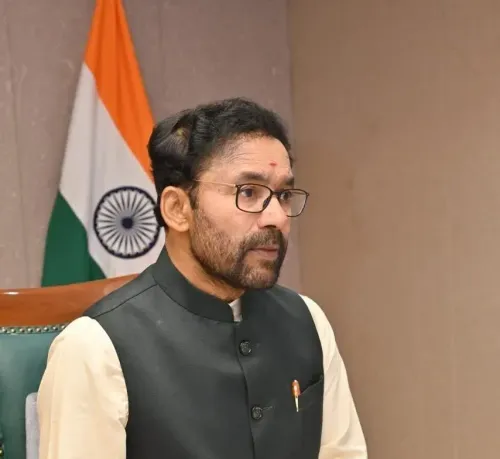
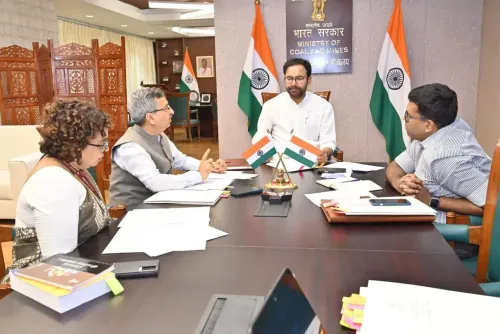
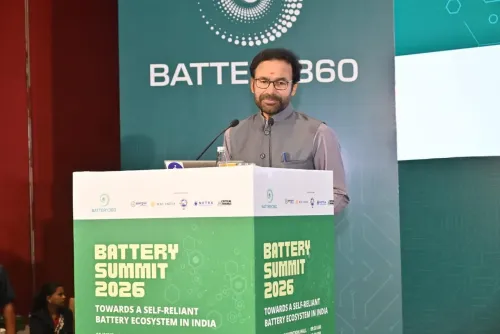
India's mineral future took centre stage in New Delhi on Friday, October 23, 2026, when Union Coal and Mines Minister G. Kishan Reddy delivered the inaugural address at the 'Agrasar Bharat Manch' — a high-profile forum hosted by KPMG — laying out the Modi government's roadmap for mineral security, domestic exploration and sustainable mining.
What Reddy Said at the KPMG Forum
Reddy used the platform to draw a direct line between India's mining ambitions and its industrial and strategic future. He highlighted four interlocking priorities: mineral security, boosting domestic exploration, embracing advanced technologies, and embedding sustainable practices into the sector — all framed as fuel for India's broader industrial growth and strategic capabilities.
The choice of a KPMG-hosted platform was deliberate. Forums like Agrasar Bharat Manch bring together policymakers, professional services firms and industry decision-makers — exactly the audience the government needs on side as it accelerates mineral block auctions and exploration licensing.
The Policy Architecture Behind the Push
The minister's remarks did not emerge in a vacuum. The National Mineral Policy 2019 rewrote the older framework to open up domestic exploration and bring private capital into the sector. The Mines and Minerals (Development and Regulation) Amendment Act 2021 then sharpened the toolkit — fast-tracking mineral block auctions and easing exploration norms — giving the government the institutional levers it is now pulling harder.
Together, these reforms sit inside the larger Atmanirbhar Bharat logic: reduce import dependence on critical minerals that power electric vehicles, renewable energy systems and defence manufacturing. India currently imports significant quantities of lithium, cobalt and other critical minerals — a vulnerability the government has publicly committed to closing.
Why Mining Companies and Manufacturers Are Watching Closely
For the mining sector and India's fast-growing manufacturing base, Reddy's address signals continued policy momentum. The next rounds of critical mineral block auctions and any revisions to exploration licensing norms will be the real test of whether intent translates into ore on the ground. Investors and industrial buyers — from EV makers to defence contractors — are tracking exactly those milestones.
The stakes are not abstract. A country that secures its own critical mineral supply chain insulates its green-energy transition and its defence supply lines from geopolitical shocks. That is the bet the Modi government is placing — and Friday's address was its latest public declaration of confidence in that wager.
The mineral race is on. India, at least according to its minister, intends to win it from within.
Point of View
Exploration, technology, sustainability — mirrors the language increasingly used in global mineral diplomacy, suggesting India is benchmarking itself against international standards. With EV and renewable supply chains now geopolitically contested, every public ministerial address doubles as investor outreach. The real proof point will come when the next round of critical mineral block auctions delivers results on the ground.
NationPress
23 Oct 2026
Frequently Asked Questions
What is the Agrasar Bharat Manch?
Agrasar Bharat Manch is a policy and industry forum hosted by KPMG in New Delhi. The October 2026 edition focused on India's mineral sector, with Union Coal and Mines Minister G. Kishan Reddy delivering the inaugural address.
What did Kishan Reddy say about India's mineral policy?
Reddy highlighted the Modi government's focus on four areas: strengthening mineral security, boosting domestic exploration, embracing advanced technologies, and promoting sustainable mining practices to power India's industrial and strategic growth.
What is India's National Mineral Policy 2019?
The National Mineral Policy 2019 revised older frameworks to promote domestic exploration, invite private participation and enforce sustainable mining practices — forming the backbone of the current mineral reform drive.
Why is mineral security important for India?
India depends on imports for critical minerals like lithium and cobalt, which are essential for electric vehicles, renewable energy and defence manufacturing. Securing domestic supply is central to the Atmanirbhar Bharat agenda and reduces vulnerability to global supply-chain shocks.
What is the MMDR Amendment Act 2021?
The Mines and Minerals (Development and Regulation) Amendment Act 2021 accelerated mineral block auctions and streamlined exploration licensing, giving the government faster tools to open up India's mineral resources to investment.